


MODEL PORTFOLIO
THE GIST
NEWS AND FEATURES
Global Philippines Fine Living
INSIGHTS
INVESTMENT STRATEGY
Economy Stocks Bonds Currencies
THE BASICS
Investment Tips Explainers Retirement
WEBINARS
2024 Mid-Year Economi Briefing, economic growth in the Philippines
2024 Mid-Year Economic Briefing: Navigating the Easing Cycle
June 21, 2024
Investing with Love
Investing with Love: A Mother’s Guide to Putting Money to Work
May 15, 2024
retirement-ss-3
Investor Series: An Introduction to Estate Planning
September 1, 2023
View All Webinars
DOWNLOADS
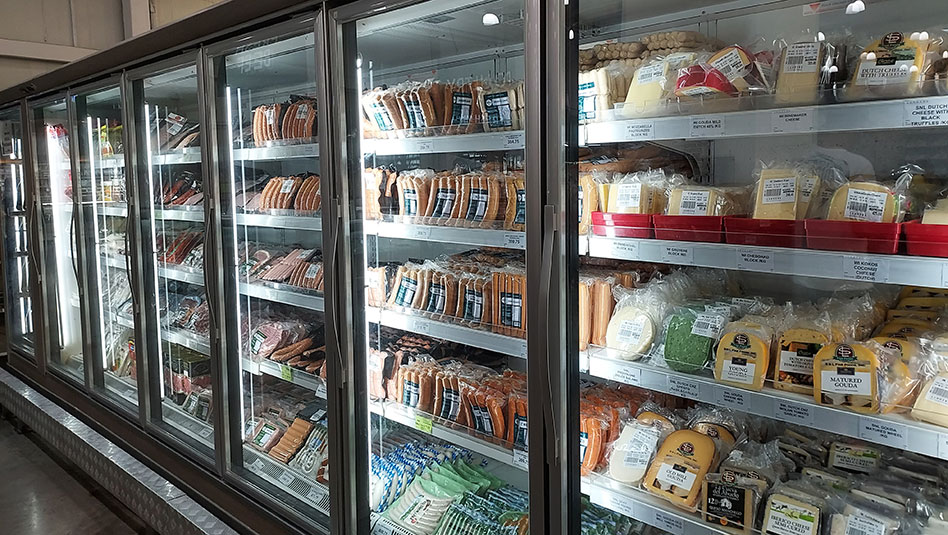
grocery-2-aa
Economic Updates
Inflation Update: Target breached
DOWNLOAD
Container ship carrying container boxes import export dock with quay crane. Business commercial trade global cargo freight shipping logistic and transportation worldwide oversea concept. Generative AI
Economic Updates
Philippines Trade Update: Wider deficit on strong imports
DOWNLOAD
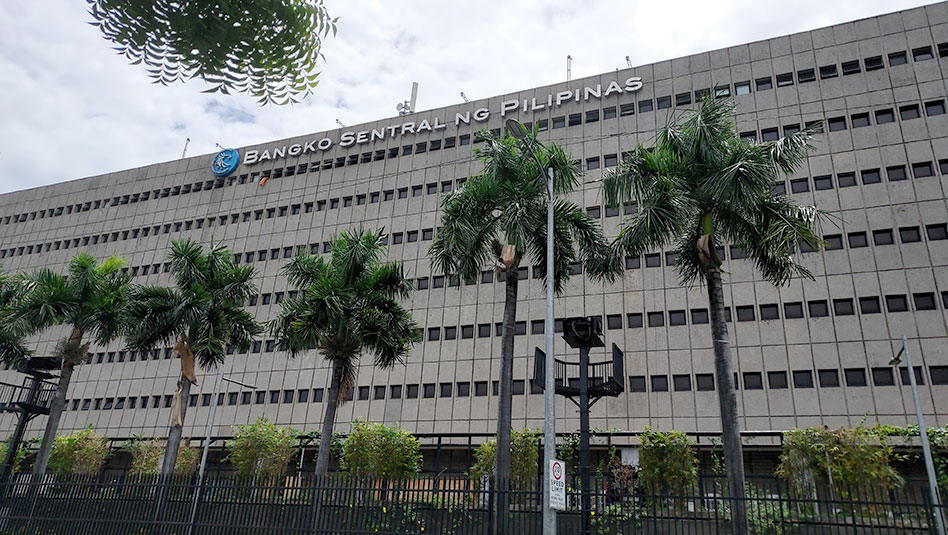
Frick collection with palm trees 
Economic Updates
Policy Rate Updates: Policy rate updates to reassure 
DOWNLOAD
View all Reports
Metrobank.com.ph How To Sign Up
Follow us on our platforms.

How may we help you?

TOP SEARCHES
  • Where to put my investments
  • Reports about the pandemic and economy
  • Metrobank
  • Webinars
  • Economy
TRENDING ARTICLES
  • Investing for Beginners: Following your PATH
  • On government debt thresholds: How much is too much?
  • Philippines Stock Market Outlook for 2022
  • Deficit spending remains unabated

Login

Access Exclusive Content
Login to Wealth Manager
Visit us at metrobank.com.ph How To Sign Up
Access Exclusive Content Login to Wealth Manager
Search
MODEL PORTFOLIO THE GIST
NEWS AND FEATURES
Global Philippines Fine Living
INSIGHTS
INVESTMENT STRATEGY
Economy Stocks Bonds Currencies
THE BASICS
Investment Tips Explainers Retirement
WEBINARS
2024 Mid-Year Economi Briefing, economic growth in the Philippines
2024 Mid-Year Economic Briefing: Navigating the Easing Cycle
June 21, 2024
Investing with Love
Investing with Love: A Mother’s Guide to Putting Money to Work
May 15, 2024
retirement-ss-3
Investor Series: An Introduction to Estate Planning
September 1, 2023
View All Webinars
DOWNLOADS
grocery-2-aa
Economic Updates
Inflation Update: Target breached
April 7, 2026 DOWNLOAD
Container ship carrying container boxes import export dock with quay crane. Business commercial trade global cargo freight shipping logistic and transportation worldwide oversea concept. Generative AI
Economic Updates
Philippines Trade Update: Wider deficit on strong imports
March 27, 2026 DOWNLOAD
Frick collection with palm trees 
Economic Updates
Policy Rate Updates: Policy rate updates to reassure 
March 26, 2026 DOWNLOAD
View all Reports

Archives: Business World Article

Young adults more financially literate vs other age groups, BSP study shows

Young adults more financially literate vs other age groups, BSP study shows

Young adults have higher financial literacy compared to other age groups, highlighting the need to educate more individuals and households across different ages, economic classes, and levels of educational attainment to allow them to be financially resilient and improve overall welfare, according to a Bangko Sentral ng Pilipinas (BSP) discussion paper.

The paper said young adults “display higher financial literacy than the middle-aged and senior cohorts.”

“Looking at the financial literacy index (FLI) scores for different demographic and economic factors and categories, we find that among the age cohorts, the young adult group recorded the highest financial literacy,” it said.

“We found that age and the life cycle matter in people’s financial behavior. Depending on the life stage they are in, people tend to exhibit more short-term or long-term behaviors,” it added.

The BSP’s 2021 Financial Inclusion Survey showed that only 2% percent of Filipinos were able to correctly answer all the six basic financial literacy questions.

“Equipping individuals and households with the necessary knowledge, skills, and ability to make informed financial decisions is crucial in ensuring their financial resilience and well-being. These, in turn, would lead to higher overall welfare,” the paper said.

“At the macro level, financial literacy can contribute to a more efficient allocation of financial resources in the economy and to greater financial stability. Financial literacy is also considered an essential component of financial inclusion.”

The study showed females have “slightly lower financial aptitude and overall financial literacy” versus males.

“Income and education are both positively related to financial literacy with the latter having a higher coefficient indicating that respondents with at least high school education have higher financial knowledge and skills,” it added.

The study showed that those with higher financial literacy are “less likely to spend less than or equal to their income.”

“Middle-aged individuals and senior age persons likewise appear to be less likely to spend within their income compared to young adults.”

Those with better financial aptitude scores are more likely to pay their loans on time, the paper said.

“Middle-aged persons are also less likely to have a loan- to-income ratio of less than one compared to the young adult group… In terms of loan payment, individuals with higher financial attitude scores are more likely to pay on time,” it added.

It was also found that individuals that are likely to have retirement or pension plans were those with higher financial aptitude and are middle-aged or seniors.

“Additionally, they are more likely to have insurance and other plans… We observe that many Filipino adults engage in savings, borrowing, and investment activities, but only a small number have pension plans and savings. These are also mostly the mandatory retirement plans for public and private sector employees,” it added.

The paper found there is still a need to enhance current financial education programs.

“Designing financial programs and interventions that aim at increasing financial literacy is important for developing and reinforcing positive financial behaviors. In the Philippines, significant strides have been made towards increasing and improving financial education,” it said.

“Given that the Philippines’ demographic is shifting toward an aging population, there is a need to increase and intensify financial education programs emphasizing retirement planning and saving. These programs could help Filipino adults remain financially resilient even in their retirement years.” — L.M.J.C. Jocson


Peso climbs on dovish remarks from Fed chief

Peso climbs on dovish remarks from Fed chief

The peso rebounded against the dollar on Wednesday following dovish comments from US Federal Reserve Chair Jerome H. Powell.

The local unit closed at PHP 58.725 per dollar on Wednesday, strengthening by seven centavos from its PHP 58.795 finish on Tuesday, Bankers Association of the Philippines data showed.

The peso opened Wednesday’s session slightly stronger at PHP 58.77 per dollar. Its weakest showing was at PHP 58.83, while its intraday best was its close of PHP 58.725 versus the greenback.

Dollars exchanged decreased to USD 779.72 million on Wednesday from USD 915.14 million on Tuesday.

The peso went up against the dollar following dovish comments from Mr. Powell, a trader said in a phone interview.

The local unit rose as the Fed chief’s remarks renewed bets of more than one rate cut within the year, Rizal Commercial Banking Corp. Chief Economist Michael L. Ricafort said in a Viber message.

The US is back on a “disinflationary path,” Mr. Powell said on Tuesday, but policy makers need more data before cutting interest rates to verify that recent weaker inflation readings provide an accurate picture of the economy, Reuters reported.

Data for May showed the Fed’s preferred measure of inflation did not increase at all that month, while the 12-month rate of price increases has ebbed to 2.6%, still above the US central bank’s 2% target but on the way down after a scare in the first months of the year.

“We just want to understand that the levels that we’re seeing are a true reading on what is actually happening with underlying inflation,” Mr. Powell said at a monetary policy conference in Portugal sponsored by the European Central Bank.

“I think the last reading… and the one before it to a lesser suggest that we are getting back on the disinflationary path,” Mr. Powell said. “We want to be more confident that inflation is moving sustainably down toward 2%… before we start… loosening policy.”

US short-term interest rate futures were little changed on Tuesday, with prices continuing to imply that the Fed would deliver its first rate cut in September and a second one in December.

The Fed has kept its benchmark policy interest rate steady in the 5.25%-5.5% range since last July, and still described inflation as “elevated” in its June 12 policy statement.

Whether the Fed ends up cutting in September or winds up on a more delayed timetable will hinge on the coming employment and inflation reports, including the monthly jobs report on Friday and the July 11 release of the consumer price index for June.

The Fed will hold its next policy meeting on July 30-31.

While the timing of an initial rate cut may matter little to the larger economic outcomes the Fed is seeking, policy makers are sensitive to the signal they will send by cutting rates.

They want to be sure, in particular, that the first reduction in borrowing costs becomes the start of a full monetary easing cycle that brings rates steadily down to a level where the Fed feels it is neither encouraging nor discouraging businesses and households to invest and spend.

For many officials, that has been an argument in favor of being patient and waiting longer to make the first rate cut.

For the rest of the week, the market will look at economic reports out of the US, including latest jobs data, for leads, the trader said.

For Thursday, the trader expects the peso to move between PHP 58.50 and PHP 58.90 per dollar, while Mr. Ricafort sees it ranging from PHP 58.60 to PHP 58.80. — AMCS with Reuters

Term deposit yields mixed on peso, easing bets

Term deposit yields mixed on peso, easing bets

Yields on the Bangko Sentral ng Pilipinas’ (BSP) term deposits were mixed on Wednesday due to the continued weakness of the peso and bets of a policy rate cut as early as next month.

Demand for the BSP’s term deposit facility (TDF) reached PHP 321.657 billion on Wednesday, higher than the PHP 230-billion offer and the PHP 207.107 billion in bids for the PHP 200 billion auctioned off last week.

Broken down, bids for the seven-day papers amounted to PHP 159.459 billion, above the PHP 120 billion auctioned off by the BSP as well as the PHP 116.409 billion in tenders seen in the previous week for PHP 90 billion on the auction block.

Banks asked for yields ranging from 6.495% to 6.525%, a much narrower band compared with the 6.275% to 6.5275% seen a week ago. This caused the average rate of the one-week term deposits to inch up by 0.9 basis point (bp) to 6.5154% from 6.5145% previously.

Meanwhile, the 14-day term deposits attracted tenders amounting to PHP 162.198 billion, higher than the PHP 110-billion offer and the PHP 90.698 billion in bids recorded a week ago for the PHP 110-billion offering.

Accepted rates for the tenor ranged from 6.5245% to 6.575%, a slightly wider and lower margin versus the 6.55% to 6.595% seen last week. This caused the average rate of the two-week papers to drop by 0.28 bp to 6.5681% from 6.5709% in the prior auction.

The BSP has not auctioned off 28-day term deposits for more than three years to give way to its weekly offerings of securities with the same tenor.

The term deposits and the 28-day bills are used by the BSP to mop up excess liquidity in the financial system and to better guide market rates.

TDF yield movements were mixed on Wednesday after the peso recently fell to 20-month lows, Rizal Commercial Banking Corp. Chief Economist Michael L. Ricafort said in a Viber message.

On June 26, the local unit closed at PHP 58.86 against the greenback, its worst finish since its PHP 58.87-a-dollar close on Oct. 24, 2022.

The peso has been trading at the PHP 58-per-dollar level since May and has been inching closer to its record low of P59 in recent weeks as safe-haven demand and monetary easing bets have boosted the dollar versus most emerging-market currencies.

The central bank has said it occasionally intervenes in the foreign exchange market to ensure the peso does not depreciate sharply.

BSP Governor Eli M. Remolona, Jr. has also said that the impact of a weak peso on inflation is minimal.

Mr. Ricafort added that TDF yields mostly moved sideways amid policy rate cut bets due to expectations of slower Philippine inflation following the approval of an executive order that slashes the tariffs on rice imports.

President Ferdinand R. Marcos, Jr. approved Executive Order No. 62, which reduces the tariff on rice imports to 15% from 35% previously. This is widely expected to help bring down rice prices and rein in inflation.

Mr. Remolona last week said the Monetary Board is “on track” and “somewhat more likely than before” to slash rates at its Aug. 15 policy meeting as he expects the consumer price index (CPI) to further ease this semester with the implementation of lower tariffs on rice.

The BSP could cut rates by 25 bps in the third quarter and by another 25 bps in the fourth quarter, he added.

The Monetary Board’s Aug. 15 review is its only meeting in the third quarter. Meanwhile, its last two reviews for the year will be held in the fourth quarter and are scheduled on Oct. 17 and Dec. 19.

An August cut would be the first for the BSP in over three years, which last slashed borrowing costs by 25 bps in November 2020 to bring the policy rate to a record low of 2% during the pandemic.

The Philippine Statistics Authority will release June CPI data on Friday (July 5). A BusinessWorld poll of 14 analysts yielded a median estimate of 3.9% for June inflation, within the BSP’s 3.4-4.2% forecast for the month.

Headline inflation averaged 3.5% for the first five months, well within the central bank’s 2-4% goal for the year. — Luisa Maria Jacinta C. Jocson

BSP seen to have ‘slower’ easing cycle

BSP seen to have ‘slower’ easing cycle

The Bangko Sentral ng Pilipinas (BSP) may delay its easing cycle amid continued risks to the inflation outlook, the peso’s depreciation and a hawkish US Federal Reserve, analysts said.

“We expect BSP to start its cutting cycle only after the Fed (i.e., in October), which is when we also expect inflation to be more entrenched within BSP’s 2-4% target,” Nomura Global Markets Research said in a report.

According to Nomura data, the Philippines was among the top countries facing “underlying inflationary pressures” in Asia, second only to Singapore.

Nomura sees the BSP cutting rates by 50 basis points (bps) this year and another 100 bps in 2025.

The Monetary Board only has three policy review meetings left for the year — Aug. 15, Oct. 17 and Dec. 19.

Citi economist for the Philippines Nalin Chutchotitham said there is a chance the BSP will have a “slower” easing cycle.

“In any case, we note the risk of slower rate cuts, which most likely depend on the speed of inflation decline, the timing of the Fed’s rate cuts and potential depreciation pressure on the peso,” she said in a commentary.

Fed officials earlier signaled the possibility of rate cuts being pushed back to as late as December.

The peso has been trading at the P58-per-dollar range since May, when it sank to the level for the first time since November 2022.

However, Citi still forecasts that the BSP will begin cutting rates by August for a total of 75 bps this year.

“We continue to maintain our call for 25-bp rate cuts in August, October, and December 2024, followed by 25-bp rate cuts in February, May, and August 2025 as our base case,” she said.

Citi said that weaker-than-expected growth will also pave the way for reducing rates.

“Negative output gap projection supports monetary easing. While growth has been resilient so far, first-quarter 2024 gross domestic product (GDP) growth at 5.7% was below market’s expectation,” Ms. Chutchotitham said.

The government is targeting 6-7% growth this year.

Meanwhile, Diwa C. Guinigundo, the country analyst for the Philippines of GlobalSource Partners and former BSP deputy governor, said he sees just one rate cut by the BSP this year.

“One rate cut is therefore more likely, as the forward guidance has been quite confirmatory so far,” he said in a brief, though did not specify the timing of the cut.

“A second reduction in November or December is, as usual, data-driven both in terms of actual and projected inflation rates in the next two years. The balance of risks would also be an important metric for the BSP,” he added.

Mr. Guinigundo also said June inflation could breach the BSP’s 2-4% target amid higher food prices and the impact of the peso depreciation.

“Higher domestic production of basic commodities like grains and meat and timely importation in case of some shortfall would be key to sustained stabilization of price pressures and inflation. Non-monetary measures are important complementary policy intervention,” he said.

Inflation likely settled at 3.9% in June, based on the median estimate in a BusinessWorld poll of 14 analysts conducted last week. This would mark the seventh straight month that inflation settled within the BSP’s 2-4% target. June inflation is set to be released on Friday (July 5).

“Although difficult to pin down, a good computation of the country’s output gap will also help in ensuring that an early or more easing would not dislodge inflation expectation and add inflationary pressure to an otherwise manageable inflation scenario,” Mr. Guinigundo said.

BSP Governor Eli M. Remolona, Jr. has said that the central bank can begin policy easing as early as August.

He signaled the BSP can cut rates by a total of 50 bps this year — a 25-bp cut in the third quarter and another in the fourth quarter. — Luisa Maria Jacinta C. Jocson

Philippines to post huge twin deficits this year

Philippines to post huge twin deficits this year

The Philippines will continue to post large deficits for the current account and budget this year due to an expected increase in rice imports and infrastructure spending, Nomura Global Markets Research said.

“We expect the current account deficit (CAD) to remain large and fiscal consolidation targets to be challenging this year,” it said in a report.

“In our view, prioritization of infrastructure projects under the ‘Build Better More’ program and a substantial reduction of rice import tariffs will result in the current account deficit remaining large, make fiscal consolidation more challenging and could imply persistence in currency weakness.”

The government is aiming to spend 5-6% of gross domestic product (GDP) on infrastructure annually. The Marcos administration has approved 185 infrastructure flagship projects valued at PHP 9.55 trillion.

“The upshot is a still-large CAD, which we forecast at 2.7% of GDP in 2024, well above the pre-pandemic (2016-2019) average of 1.1% and reflecting, in part, rising capital goods and raw materials imports due to infrastructure implementation,” Nomura said.

The central bank projects a USD 4.7-billion current account deficit for 2024, equivalent to 1% of GDP.

The current account deficit stood at USD 1.7 billion in the first quarter, equivalent to 1.6% of GDP.

Meanwhile, Nomura also sees the National Government’s (NG) fiscal deficit reaching 5.9% of GDP this year. This is slightly higher than the government’s deficit ceiling of 5.6% of GDP, equivalent to PHP 1.48 trillion.

Nomura said its higher deficit-to-GDP forecast is due to the Philippine government’s “challenging” fiscal targets.

“Our recent discussions with officials suggest the risk of a repeat of last year’s underspending is low, thanks to catch-up plans and recent budget reforms,” it added.

Latest data from the Treasury showed that the NG’s budget deficit in the January-May period widened by 24.06% to PHP 404.8 billion.

The Budget department last month tasked underspending government agencies to submit “catch-up plans” to address low budget utilization.

Meanwhile, Nomura said that the recent reduction in rice import tariffs will also contribute to the twin deficits.

“Food importation will remain a recourse of the government to increase domestic supply amid continued weather-related risks and now likely higher rice import demand due to lower tariffs,” it said.

President Ferdinand R. Marcos, Jr. last month signed Executive Order No. 62, which slashed tariffs on rice imports to 15% from 35% previously, until 2028.

The Department of Agriculture expects rice imports to hit 3.9 million metric tons (MMT) this year, while the US Department of Agriculture expects imports to reach 4.6 MMT.

“The tariff cut also implies some forgone fiscal revenues of about 0.05% of GDP, by our estimates,” Nomura said.

The Finance department earlier estimated that foregone revenues from the tariff cut could reach up to P22 billion.

Due to the tariff cut, Nomura also cut its inflation forecast to 2.8% this year from 3.7% previously. The BSP expects full-year inflation to settle at 3.3%.

The government’s efforts to ramp up infrastructure spending as well as the recent tariff cut may also lead to “persistent foreign exchange (FX) weakness.”

“Relatively large twin deficits under BSP’s flexible market-determined FX regime could imply persistence in currency weakness,” it added.

The peso closed at P58.795 against the dollar on Tuesday, weakening by 14.5 centavos from its P58.65 finish on Monday.

The peso has been trading at the P58-per-dollar level since May. — Luisa Maria Jacinta C. Jocson

Gov’t makes full award of reissued 7-year bonds

Gov’t makes full award of reissued 7-year bonds

The government made a full award of the reissued Treasury bonds (T-bonds) it offered on Tuesday at an average rate slightly below secondary market levels after the Bangko Sentral ng Pilipinas (BSP) signaled that it could start its easing cycle as early as next month.

The Bureau of the Treasury (BTr) raised PHP 30 billion as planned via the reissued seven-year bonds it auctioned off on Tuesday as total bids reached PHP 72.954 billion.

The bonds, which have a remaining life of four years and 10 months, were awarded at an average rate of 6.406%. Accepted yields ranged from 6.39% to 6.44%.

The average rate of the reissued seven-year bonds rose by 30.9 basis points (bps) from the 6.097% fetched for the series’ last award on June 20, 2023, but was 9.4 bps lower than the 6.5% coupon for the issue.

This was also 1.2 bps lower than 6.418% quoted for the five-year bond — the tenor closest to the remaining life of the papers on offer — and 1 bp below the 6.416% seen for the same bond series at the secondary market before Wednesday’s auction, based on PHP Bloomberg Valuation Service Reference Rates data provided by the BTr.

The Treasury made a full award of the reissued papers as they fetched an average yield below secondary market levels and as the offered volume was oversubscribed, it said in a statement after the auction.

Tuesday’s award brought the total outstanding volume for the series to PHP 159.7 billion, it added.

The government fully awarded the bonds as it saw strong demand for its offer, a trader said in a text message.

“Looks like investors, especially end-users, are getting comfortable extending duration following the dovish BSP outlook,” the trader said. “They are now comfortable buying longer bonds for yield pickup, from the usual bills to one-year papers and now to four- to seven-year tenors.”

The average yield fetched for the reissued bonds was slightly below secondary market rates  after the BSP signaled it could cut rates as early as August, Rizal Commercial Banking Corp. Chief Economist Michael L. Ricafort likewise said in a Viber message.

BSP Governor Eli M. Remolona, Jr. on Thursday said the Monetary Board is “on track” and “somewhat more likely than before” to slash rates at its Aug. 15 policy meeting, well ahead of the US Federal Reserve, which has signaled it could begin easing by December.

The BSP could cut rates by 25 bps in the third quarter and by another 25 bps in the fourth quarter, he added.

The Monetary Board’s Aug. 15 review is its only meeting in the third quarter. Meanwhile, its last two reviews for the year will be held in the fourth quarter and are scheduled on Oct. 17 and Dec. 19.

An August rate cut would be the first for the BSP in over three years, which last slashed borrowing costs by 25 bps in November 2020 to bring the policy rate to a record low of 2% during the height of the coronavirus pandemic.

The BSP last week left its policy rate unchanged at a 17-year of 6.5%, as expected by all 15 analysts in a BusinessWorld poll. Interest rates on the overnight deposit and lending facilities were also maintained at 6% and 7%, respectively.

The Monetary Board hiked rates by a cumulative 450 bps from May 2022 to October 2023 to help bring down elevated inflation.

Expectations of easing inflation in the coming months also caused bond yields to go down, Mr. Ricafort added.

Mr. Remolona last week said he expects the consumer price index (CPI) to further ease this semester with the implementation of lower tariffs on rice.

The BSP lowered its average baseline inflation forecasts for 2024 and 2025 to 3.3% and 3.1%, respectively, from 3.5% and 3.3% previously. It also slashed its risk-adjusted inflation forecasts for this year and next to 3.1% from 3.8% and 3.7%, respectively.

Headline inflation averaged 3.5% for the first five months, well within the central bank’s 2-4% goal for the year.

The Philippine Statistics Authority will release June CPI data on Friday (July 5). A BusinessWorld poll of 14 analysts yielded a median estimate of 3.9% for June inflation, within the BSP’s 3.4-4.2% forecast for the month.

The BTr wants to raise PHP 215 billion from the domestic market this month, or PHP 100 billion from Treasury bills and PHP 115 billion via T-bonds.

The government borrows from local and foreign sources to help fund its budget deficit, which is capped at PHP 1.48 trillion or 5.6% of gross domestic product for this year. — A.M.C. Sy

Peso drops further vs the dollar

Peso drops further vs the dollar

The peso dropped further on Tuesday as the dollar was broadly stronger amid rising US yields.

The local unit closed at PHP 58.795 per dollar on Tuesday, weakening by 14.5 centavos from its PHP 58.65 finish on Monday, Bankers Association of the Philippines data showed.

The peso opened Tuesday’s session weaker at PHP 58.75. Its worst showing was at PHP 58.84, while its intraday best was at PHP 58.735 versus the greenback.

Dollars exchanged inched down to USD 915.14 million on Tuesday from USD 920.83 million on Monday.

The peso declined as the dollar was boosted by safe-haven demand due to negative sentiment regarding elections in France and in the United States, a trader said by phone.

“The gauge of the US dollar versus global currencies was among two-month highs recently due to higher US Treasury yields amid some market speculation that a possible Trump presidency later in 2024 would lead to greater US fiscal deficits and higher US inflation,” Rizal Commercial Banking Corp. Chief Economist Michael L. Ricafort likewise said in a Viber message.

The dollar was supported by rising US yields and the blowtorch was on low-yielding currencies on Tuesday such as China’s yuan and Japan’s yen, which was pinned to its lowest since 1986, Reuters reported.

Benchmark 10-year Treasury yields rose nearly 14 basis points to 4.479% overnight, with analysts attributing the move to expectations of Donald J. Trump winning the US presidency and raising tariffs and government borrowing. On Tuesday, it was last at 4.443% in Asian hours.

The dollar index, which measures the US unit against six rivals, was at 105.93, with the spotlight on jobs opening data due later in the day and comments from Federal Reserve Chair Jerome H. Powell when he takes the stage at the European Central Bank forum in Portugal.

As the dollar rose, the euro handed back part of a small rally as the first round of France’s election turned out more or less in line with polling. The single currency was last 0.11% lower at USD 1.07287.

The yen sank to 161.745 per dollar on Tuesday, its weakest in nearly 38 years, extending a downward slide driven mainly by a wide gap in interest rates between the US and Japan.

Japan’s finance minister said on Tuesday the authorities were vigilant to sharp currency market moves, but stopped short of giving a clear intervention warning.

For Wednesday, the trader expects the peso to move between PHP 58.50 and PHP 58.90 per dollar, while Mr. Ricafort sees it ranging from PHP 58.65 to PHP 58.85. — AMCS with Reuters

Stocks decline further on continued profit taking

Stocks decline further on continued profit taking

Stocks continued to decline on Tuesday as investors pocketed their gains from last week’s rally and following weak Philippine manufacturing activity data.

The Philippine Stock Exchange index (PSEi) dropped by 0.62% or 39.81 points to end at 6,358.96 on Tuesday, while the broader all shares index fell by 0.48% or 16.80 points to close at 3,462.67.

“The local bourse extended its decline amid continuous profit-taking, while many investors were cautious, waiting for the June inflation rate,” Philstocks Financial, Inc. Research Analyst Claire T. Alviar said in a Viber message.

“The slight decline in S&P Global Philippines Manufacturing Purchasing Managers’ Index (PMI), which signified a growth slowdown, weighed on sentiment,” she added.

The S&P Global Philippines Manufacturing PMI, which measures the country’s monthly factory performance, stood at 51.3 in June, slightly lower than the 51.9 reading in May.

June was the 10th consecutive month that PMI was above the 50 mark, which signals an improvement in operating conditions from the previous month. A reading below 50 indicates the opposite.

Meanwhile, the Philippine Statistics Authority will release June consumer price index (CPI) data on Friday, July 5.

A BusinessWorld poll of 14 analysts conducted last week yielded a median estimate of 3.9% for the June CPI, within the central bank’s 3.4-4.2% forecast for the month.

If realized, June inflation would match the 3.9% recorded in May. It will also be slower than the 5.4% print in the same month a year ago.

“Philippine shares were sold down, with investors keeping to cash as US Federal Reserve Chair Jerome H. Powell will speak later today before a policy panel at the European Central Bank Forum. Investors will closely monitor what he might say at the forum,” Regina Capital Development Corp. Head of Sales Luis A. Limlingan said in a Viber message on Tuesday.

Sectoral indices ended mixed. Financials dropped by 1.42% or 27.45 points to 1,899.46; holding firms went down by 1.08% or 59.92 points to 5,461.51; and property declined by 0.32% or 8.12 points to 2,504.93.

Meanwhile, mining and oil gained by 1.53% or 129.46 points to 8,590.55; services climbed by 0.33% or 6.70 points to 1,993.56; and industrials rose by 0.02% or 2.24 points to 8,983.20.

“Among the index members, Century Pacific Food, Inc. achieved the top spot, increasing by 2.72% following its additional special cash dividends declaration due to strong first-quarter results. On the other hand, Converge ICT Solutions, Inc. had the biggest loss, dropping by 4.35%,” Ms. Alviar said.

Value turnover rose to PHP 3.94 billion on Tuesday with 422.91 million shares changing hands from the PHP 3.34 billion with 417.96 million stocks traded on Monday.

Market breadth was negative as decliners outnumbered advancers, 110 to 65, while 48 names ended unchanged.

Net foreign selling stood at PHP 310.09 million on Tuesday, a reversal of the PHP 88.92 million in net buying on Monday. — RMDO

Board approves PHP35 NCR wage hike

Board approves PHP35 NCR wage hike

The Regional Tripartite Wages and Productivity Board (RTWPB) has approved a PHP 35 minimum wage hike for workers in the National Capital Region (NCR), which will take effect on July 17.

According to Wage Order No. NCR-25, the minimum daily wage for nonagricultural workers in the region will be increased to PHP 645.

For workers in agriculture and service/retail establishments employing 15 workers or fewer, daily wages will be raised to P608 from PHP 573.

Workers in manufacturing establishments regularly employing fewer than 10 will also receive a minimum daily wage of P608.

The RTWPB-NCR approved the order on June 27, but a copy was released only on Monday.

“The wage order is to take effect after 15 days from its publication, or on July 17, 2024 which is exactly a day after the anniversary of the preceding wage order,” the Department of Labor and Employment (DoLE) said in a statement.

A P40 minimum wage increase was implemented in NCR on July 16, 2023.

The DoLE said the new wage rates are about 5.7% higher than the prevailing daily minimum wage rates in the region.

“(The new rates) remain above the latest regional poverty threshold for a family of five. These likewise result in a comparable 5% increase in wage-related benefits covering 13th month pay, service incentive leave, and social security benefits,” it said.

The wage order will directly impact 988,243 minimum wage earners in the capital region, DoLE said.

About 1.7 million full-time wage and salary workers that earn above minimum wage “may also indirectly benefit as a result of upward adjustments at the enterprise level arising from the correction of wage distortion,” it added.

Retail and service establishments with not more than 10 regular workers and enterprises affected by natural calamities or disasters can apply for exemption from the wage hike. Barangay Micro Business Enterprise are also not covered by the minimum wage law.

Employers Confederation of the Philippines (ECoP) Governor Arturo “Butch” C. Guerrero III told BusinessWorld via iMessage that the PHP 35 wage increase is a “relief” for employers.

“This is a relief compared with the P750 wage hike per day the labor groups are recommending to the wage board and with the PHP 150 per day additional to [Senator Juan Miguel F.] Zubiri’s legislated wage increase in the Senate,” he said.

Philippine Chamber of Commerce and Industry (PCCI) Chairman George T. Barcelon in a phone call with BusinessWorld said the P35 wage hike is “very reasonable.”

“[A] P35 increase per day is a win-win [because] this is more affordable for the micro, small, and medium enterprises, for the small business establishment to continue doing their business,” he said. “At the same time, this also indirectly mitigates inflation.”

The Philippines has been battling persistent inflation, as the cost of food, transport and utilities continue to rise.

Rizal Commercial Banking Corp. Chief Economist Michael L. Ricafort warned about second-round inflation effects arising from the wage hike.

“Some pickup in inflation through higher prices of affected goods or services, or the so-called second-round inflation effects, as the wage increase is around +5.7% that could [be] passed by some businesses and industries in terms of higher prices of their products by a similar extent to reflect the increase in labor, production and input costs,” he said in a Viber message to BusinessWorld.

However, he noted some companies might absorb the higher costs, which will result in smaller profit margins.

Mr. Ricafort said the PHP 35 increase in wages would still “somewhat help” workers cope with expenses.

However, labor groups were not happy with the RTWPB-NCR’s order, saying it was not enough to help workers cope with the rising cost of living.

“The PHP 35 wage hike in Metro Manila is not only inadequate but also seems like a tactic to distract workers from their escalating push for a PHP 150 daily wage increase through legislation,” Federation of Free Workers President Jose Sonny G. Matula said in a statement.

“This highly insufficient increase, however, will only strengthen our resolve to pursue a legislated wage hike. The current economic conditions demand a comprehensive solution that addresses the dire financial realities workers face nationwide,” he added.

Trade Union Congress of the Philippines (TUCP) Vice-President Luis Manuel C. Corral said in a statement that the NCR wage board “opted to protect business profits rather than the bigger societal purpose of the wage increase.”

“As TUCP has repeatedly pointed out, the need to elevate the daily wage above the poverty threshold to afford a family of five at least one nutritious meal a day is inextricably linked to addressing the growing problem of stunting Filipino children due to persistent poverty and inequality,” he said.

The National Wage Coalition, which had sought a wage hike of not less than PHP 150, said the PHP 35 wage hike shows a “heartless disregard for the economic crises faced by our workers and families.”

“Our minimum wages do not amount to liveable wages… The P35 increase does not even amount to measly change; it is not even sufficient for a kilo of rice,” it said in a statement.

The NCR wage board had received several wage petitions from labor groups ranging from PHP 597 to PHP 750.

Unity for Wage Increase Now sought a PHP 597 increase in daily wages, while four hospital employee associations and the Pasig Labor Alliance for Democracy and Development sought a PHP 750 hike.

In February, the Senate approved on third and final reading a PHP 100 across-the-board minimum wage increase for workers in the private sector. The House of Representatives has yet to pass similar legislation.

PH manufacturing growth slips to 3-month low

PH manufacturing growth slips to 3-month low

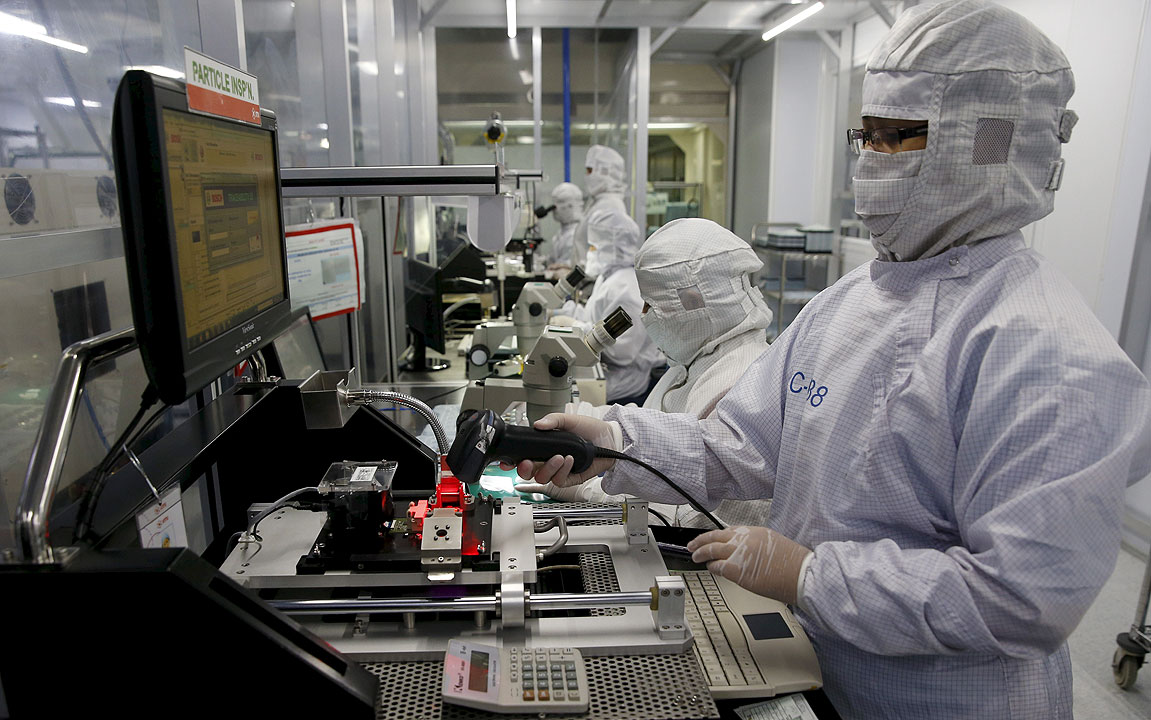
Philippine manufacturing activity in June expanded at its slowest pace in three months amid cooling demand, S&P Global said.

The S&P Global Philippines Manufacturing Purchasing Managers’ Index (PMI), which measures the country’s monthly factory performance, stood at 51.3 in June, slightly lower than the 51.9 reading in May.

June was the 10th consecutive month that PMI was above the 50 mark, which signals an improvement in operating conditions from the previous month. A reading below 50 indicates the opposite.

Manufacturing Purchasing Managers’ Index (PMI) of select ASEAN economies, June 2024“While strong improvements in demand trends earlier in the second quarter allowed manufacturing firms to raise their production volumes at a solid and sustained rate in June, the recent cooling in demand conditions could mean weaker upticks in output as we move into the second half of the year,” S&P Global Market Intelligence economist Maryam Baluch said in a report.

The Philippines’ PMI reading was the third fastest among six Association of Southeast Asian Nations (ASEAN) member countries in June and lower than the ASEAN average of 51.7.

The Philippines was behind Vietnam (54.7) and Thailand (51.7), but ahead of Myanmar and Indonesia (50.7). Malaysia saw a slight contraction (49.9) in June.

The headline PMI measures manufacturing conditions through the weighted average of five indices — new orders (30%), output (25%), employment (20%), suppliers’ delivery times (15%) and stocks of purchases (10%).

S&P Global said Philippine manufacturers saw solid growth in production in June, the fastest in six months.

However, manufacturing firms saw “a notable cooldown” in growth in new orders. It noted the growth in foreign orders for Filipino-made goods weakened to a three-month low.

Cooling demand allowed manufacturers to address backlogs at the fastest pace in three months, S&P Global said.

It said manufacturing firms increased purchasing activity at the fastest pace since July 2023 in anticipation of rising production volume in the next few months.

“While growth in output fed through to higher purchasing activity, it failed to translate into job creation. The second consecutive month of job shedding reflected the lack of pressure on operating capacity within the sector, as backlogs were depleted sharply,” Ms. Baluch said.

S&P Global noted firms reduced workforce numbers in June due to rising spare capacity.

“June data also signaled a renewed rise in cost burdens, following a slight decrease in May. The rate of input price inflation was the strongest since February amid reports of raw material shortages, but nonetheless remained softer than the series average,” it said, noting this prompted firms to raise prices.

Rizal Commercial Banking Corp. Chief Economist Michael L. Ricafort said manufacturing’s continued expansion is “a bright spot for the economy, as partly reflected by the pickup in both exports and imports in recent months, especially electronics.”

“Lower Fed and local interest rates would help reduce borrowing costs and help spur greater demand for loans by some manufacturers,” Mr. Ricafort said.

Terry L. Ridon, a public investment analyst and convenor of think tank InfraWatch PH, said the government should keep a close eye on factory activity if it posts a decline for the rest of the year.

“Government should look at whether the three-month low was due to elevated electricity prices in the past three months, or whether global firms are starting to look to other economies to deliver on various orders,” he said in a Viber message.

S&P Global said Philippine manufacturers maintained a positive outlook for production in the next 12 months, although weaker than May’s recent high.

“Future expectations also retreated, further alluding to softening sentiment in the outlook. However, inflationary pressures remained in check, despite a renewed rise in operating costs. Relatively soft and subdued upticks in costs and charges could help the sector generate demand in the coming months,” Ms. Baluch said. — Beatriz Marie D. Cruz

Posts navigation

Older posts
Newer posts

Recent Posts

  • Metrobank US-Iran Risk Index: Art of the deal
  • Investment Ideas: April 14, 2026 
  • Peso GS Weekly: Geopolitics drive a volatile curve
  • Ask Your Advisor: Can my portfolio survive a market crash?
  • Stock Market Weekly: Middle East stalemate weighs on market 

Recent Comments

No comments to show.

Archives

  • April 2026
  • March 2026
  • February 2026
  • January 2026
  • December 2025
  • November 2025
  • October 2025
  • September 2025
  • August 2025
  • July 2025
  • June 2025
  • May 2025
  • April 2025
  • March 2025
  • February 2025
  • January 2025
  • December 2024
  • November 2024
  • October 2024
  • September 2024
  • August 2024
  • July 2024
  • June 2024
  • May 2024
  • April 2024
  • March 2024
  • February 2024
  • January 2024
  • December 2023
  • November 2023
  • October 2023
  • September 2023
  • August 2023
  • July 2023
  • June 2023
  • May 2023
  • April 2023
  • March 2023
  • February 2023
  • January 2023
  • December 2022
  • November 2022
  • October 2022
  • September 2022
  • August 2022
  • July 2022
  • June 2022
  • May 2022
  • March 2022
  • December 2021
  • October 2021

Categories

  • Bonds
  • BusinessWorld
  • Currencies
  • Economy
  • Equities
  • Estate Planning
  • Explainer
  • Featured Insight
  • Fine Living
  • How To
  • Investment Tips
  • Markets
  • Portfolio Picks
  • Rates & Bonds
  • Retirement
  • Reuters
  • Spotlight
  • Stocks
  • Uncategorized

You are leaving Metrobank Wealth Insights

Please be aware that the external site policies may differ from our website Terms And Conditions and Privacy Policy. The next site will be opened in a new browser window or tab.

Cancel Proceed
Get in Touch

For inquiries, please call our Metrobank Contact Center at (02) 88-700-700 (domestic toll-free 1-800-1888-5775) or send an e-mail to customercare@metrobank.com.ph

Metrobank is regulated by the Bangko Sentral ng Pilipinas
Website: https://www.bsp.gov.ph

Quick Links
The Gist Webinars Wealth Manager Explainers
Markets
Currencies Rates & Bonds Equities Economy
Wealth
Investment Tips Fine Living Retirement
Portfolio Picks
Bonds Stocks
Others
Contact Us Privacy Notice Terms of Use
© 2026 Metrobank. All rights reserved.

Access this content:

If you are an existing investor, log in first to your Metrobank Wealth Manager account. ​

If you wish to start your wealth journey with us, click the “How To Sign Up” button. ​

Login HOW TO SIGN UP