



MODEL PORTFOLIO
THE GIST
NEWS AND FEATURES
Global Philippines Fine Living
INSIGHTS
INVESTMENT STRATEGY
Economy Stocks Bonds Currencies
THE BASICS
Investment Tips Explainers Retirement
WEBINARS
2024 Mid-Year Economi Briefing, economic growth in the Philippines
2024 Mid-Year Economic Briefing: Navigating the Easing Cycle
June 21, 2024
Investing with Love
Investing with Love: A Mother’s Guide to Putting Money to Work
May 15, 2024
retirement-ss-3
Investor Series: An Introduction to Estate Planning
September 1, 2023
View All Webinars
DOWNLOADS
grocery-2-aa
Inflation Update: Target breached
DOWNLOAD
Container ship carrying container boxes import export dock with quay crane. Business commercial trade global cargo freight shipping logistic and transportation worldwide oversea concept. Generative AI
Economic Updates
Philippines Trade Update: Wider deficit on strong imports
DOWNLOAD
Frick collection with palm trees 
Economic Updates
Policy Rate Updates: Policy rate updates to reassure 
DOWNLOAD
View all Reports
Metrobank.com.ph How To Sign Up
Follow us on our platforms.

How may we help you?

TOP SEARCHES
  • Where to put my investments
  • Reports about the pandemic and economy
  • Metrobank
  • Webinars
  • Economy
TRENDING ARTICLES
  • Investing for Beginners: Following your PATH
  • On government debt thresholds: How much is too much?
  • Philippines Stock Market Outlook for 2022
  • Deficit spending remains unabated

Login

Access Exclusive Content
Login to Wealth Manager
Visit us at metrobank.com.ph How To Sign Up
Access Exclusive Content Login to Wealth Manager
Search
MODEL PORTFOLIO THE GIST
NEWS AND FEATURES
Global Philippines Fine Living
INSIGHTS
INVESTMENT STRATEGY
Economy Stocks Bonds Currencies
THE BASICS
Investment Tips Explainers Retirement
WEBINARS
2024 Mid-Year Economi Briefing, economic growth in the Philippines
2024 Mid-Year Economic Briefing: Navigating the Easing Cycle
June 21, 2024
Investing with Love
Investing with Love: A Mother’s Guide to Putting Money to Work
May 15, 2024
retirement-ss-3
Investor Series: An Introduction to Estate Planning
September 1, 2023
View All Webinars
DOWNLOADS
grocery-2-aa
Inflation Update: Target breached
April 7, 2026 DOWNLOAD
Container ship carrying container boxes import export dock with quay crane. Business commercial trade global cargo freight shipping logistic and transportation worldwide oversea concept. Generative AI
Economic Updates
Philippines Trade Update: Wider deficit on strong imports
March 27, 2026 DOWNLOAD
Frick collection with palm trees 
Economic Updates
Policy Rate Updates: Policy rate updates to reassure 
March 26, 2026 DOWNLOAD
View all Reports

Archives: Reuters Articles

Putting the back in greenback

Putting the back in greenback

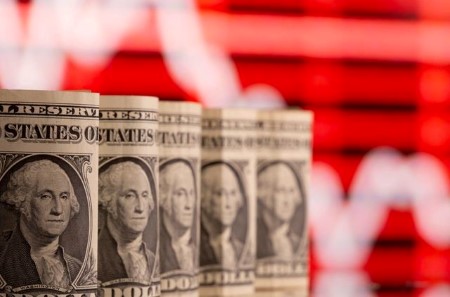
Oct 7 (Reuters) – The greenback is back.

The dollar chalked up its second straight daily increase of around 1% on Thursday to bring its year-to-date rise up to 17%. This would be the biggest annual appreciation since the era of free-floating exchange rates was introduced half a century ago.

This is ominous for US corporate profits, global financial conditions and central banks around the world battling to prevent historically low exchange rates from weakening further.

Many Asian currencies enjoyed a breather over the past week as the US dollar’s rally lost steam, although the Indian rupee hit a record low on Thursday and the Japanese yen was set for its lowest New York daily close in 24 years around 145 per dollar. Intervention territory? You’d think so.

These pressures look set to dominate Friday’s session, contributing to a more volatile end to the week.

The resurgent dollar is also a suitable backdrop against which China and Japan – the world’s largest FX reserve holders with a combined USD 4.3 trillion, about a third of the global total – release their September reserves data.

They will be closely scrutinized to see how much may have been spent on FX intervention in the month, official or otherwise.

Asian stocks are likely to open lower on Friday, following Wall Street’s slide into the red on Thursday. The dollar’s drag on US and global stocks cannot be underestimated – around a third of S&P 500 firms’ revenues come from overseas.

Morgan Stanley reckons the dollar represents a 10% headwind to US earnings this year and Citi reckons FX effects will have the greatest impact on discretionary retail, the sector S&P Global says is fast becoming the riskiest on Wall Street.

Key developments that could provide more direction to markets on Friday:

South Korea current account (August)

Japan household spending (August)

Japan FX reserves (September)

China FX reserves (September)

Indonesia FX reserves (September)

Australia RBA financial stability review

US non-farm payrolls (September)

Fed’s Williams, Bostic and Kashkari speak

(Reporting by Jamie NcGeever in Orlando, Fla.; Editing by Josie Kao)
 

US yields move higher with payrolls report on deck

US yields move higher with payrolls report on deck

NEW YORK, Oct 6 (Reuters) – The yield on the benchmark US 10-year Treasury rose on Thursday after a reading on the labor market showed unemployment benefit claims rose by the most in four months last week ahead of the monthly payrolls report.

Yields briefly moved lower after the data that said initial jobless claims rose by 29,000 to a seasonally adjusted 219,000 versus expectations of economists polled by Reuters for 203,000 applications. Some of the rise, however, was attributed to Hurricane Fiona as filings surged in Puerto Rico in the wake of the storm.

Investor focus now turns to the September jobs report, with expectations for nonfarm payrolls to increase by 250,000 jobs and the unemployment rate to stay unchanged at 3.7%.

“Everybody is kind of waiting, that’s why we are a little bit rangebound both on stocks and bonds because if that jobs report print is really hot, that could be a big negative for bonds and crush the stock market, or vice versa,” said Jay Hatfield, founder and CEO of Infrastructure Capital Management in New York.

“Claims were pretty weak today and those are leading indicators of employment but notwithstanding that, the employment report is what everybody is waiting for to see whether we head back to the 4% level.”

The yield on 10-year Treasury notes was up 5.9 basis points to 3.818%.

Treasury yields have been sensitive this week to any signs the labor market might be slowing in hopes it would give the US Federal Reserve room to pivot to a less hawkish policy stance and slow its rate of interest rate hikes after three straight increases of 75 basis points (bps).

But Fed officials have been consistent in recent comments that the central bank will take aggressive measures in hiking interest rates to combat rising inflation, raising concerns among investors it could tilt the economy into a recession.

On Thursday, Minneapolis Federal Reserve Bank President Neel Kashkari said the Fed has “more work to do” on bringing down inflation, and is “quite a ways away” from being able to pause its aggressive interest-rate hikes.

Echoing those comments, Federal Reserve Governor Lisa Cook said US inflation remains “stubbornly and unacceptably high” and requires continued interest rate increases ensure it begins falling while Chicago Federal Reserve Bank President Charles Evans said the Fed’s policy rate is likely headed to 4.5%-4.75% by the spring of 2023 as it tries to curb inflation.

The yield on the 30-year Treasury bond was up 2.5 basis points to 3.790%.

A closely watched part of the US Treasury yield curve measuring the gap between yields on two- and 10-year Treasury notes, seen as a reliable indicator of a recession when inverted, was at a negative 42.5 basis points, up from the negative 57.85 hit on September 22.

The two-year US Treasury yield, which typically moves in step with interest rate expectations, was up 9.1 basis points at 4.241%.

The breakeven rate on five-year US Treasury Inflation-Protected Securities (TIPS) was last at 2.346%, after closing at 2.319% on Wednesday.

The 10-year TIPS breakeven rate was last at 2.215%, indicating the market sees inflation averaging 2.22% a year for the next decade.

(Reporting by Chuck Mikolajczak; editing by Jonathan Oatis and Nick Zieminski)


Gold ticks lower as investors brace for US jobs data

Gold ticks lower as investors brace for US jobs data

Oct 6 (Reuters) – Gold prices dipped on Thursday, pressured by strength in the dollar and Treasury yields, while investors prepared for US jobs data that could influence the Federal Reserve’s monetary policy trajectory.

Spot gold fell 0.2% to USD 1,712.19 per ounce by 1358 EDT (1758 GMT). US gold futures settled flat at USD 1,720.8.

The dollar index rose about 1%, making greenback-priced gold more expensive for other currency holders. Benchmark US 10-year Treasury yields also firmed.

“We’re essentially just holding as we have a big jobs report tomorrow and then some inflation data next week … those would be two major data points to determine the next leg here for gold, looking forward to the next Fed meeting,” said Ryan McKay, commodity strategist at TD Securities.

The US Labor Department’s nonfarm payrolls data for September on Friday would follow a better-than-expected ADP National Employment report on Wednesday.

Another beat on jobs data ultimately would weigh on gold, McKay said, “as it would reinforce the need for the Fed to continue with their hawkish stance for a bit longer.”

The Institute for Supply Management’s non-manufacturing PMI reading also came in slightly above expectations, suggesting underlying strength in the economy despite rising interest rates.

Upbeat data and hawkish comments from San Francisco Federal Reserve President Mary Daly on Wednesday cooled any hopes of a policy pivot.

Gold is sensitive to rising interest rates, as these increase the opportunity cost of holding non-yielding bullion.

“Gold needs to see a sharper slowdown in the US and cooler prices for a bullish breakout to form,” Edward Moya, senior analyst with OANDA, said in a note.

“Gold seems poised to consolidate between USD 1,680 and USD 1,740 until we get both the NFP report and latest inflation readings.”

Spot silver fell 0.6% to USD 20.57 per ounce, while platinum firmed 0.5% to USD 923.12, and palladium gained 1.1% to USD 2,272.71.

(Reporting by Bharat Govind Gautam and Brijesh Patel in Bengaluru; Editing by Maju Samuel)


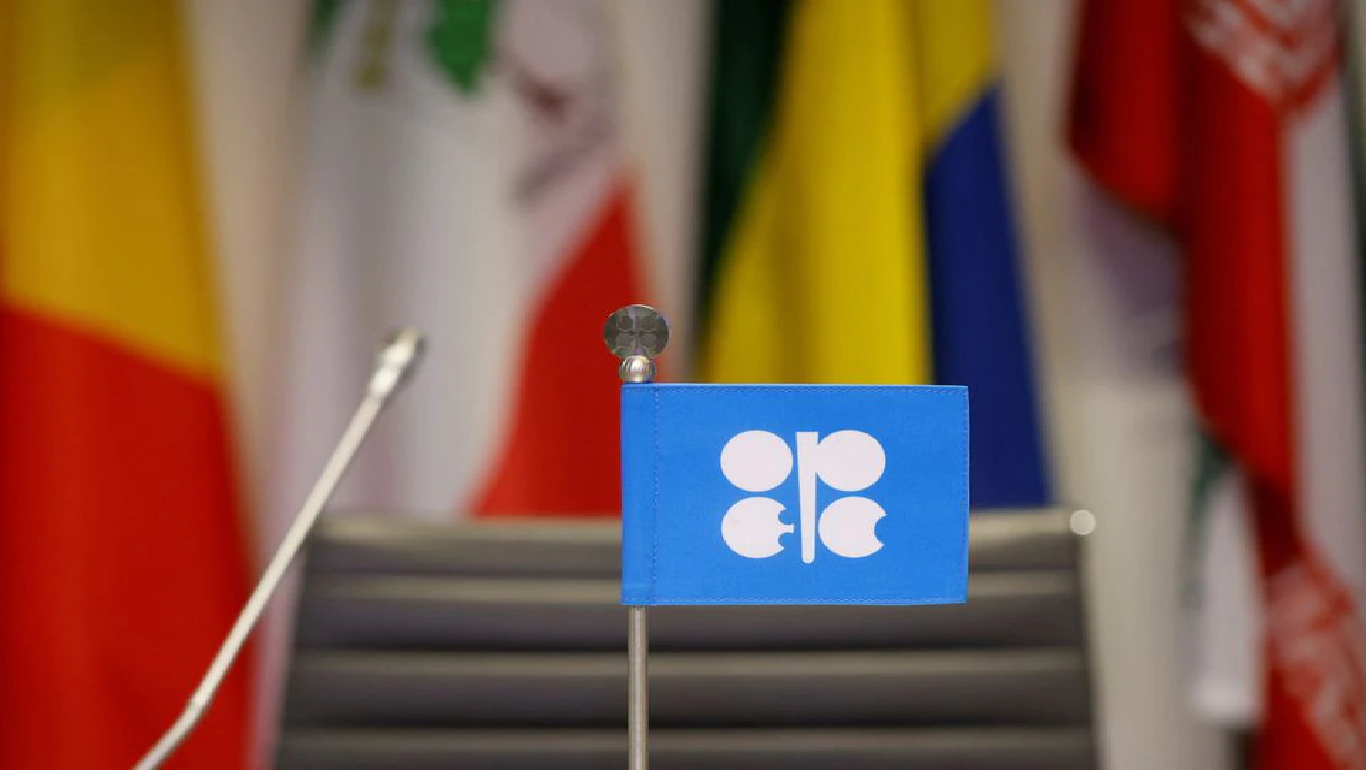
OPEC+ oil output cut ahead of winter fans inflation concerns

OPEC+ oil output cut ahead of winter fans inflation concerns

SINGAPORE, Oct 6 (Reuters) – Global oil supply is set to tighten, intensifying concerns over soaring inflation after the OPEC+ group of nations announced its largest supply cut since 2020 ahead of European Union embargoes on Russian energy.

The move has widened a diplomatic rift between the Saudi-backed bloc and Western nations, which worry higher energy prices will hurt the fragile global economy and hinder efforts to deprive Moscow of oil revenue following Russia’s invasion of Ukraine.

Global crude futures, jumped this week, returning to three-week highs, after the Organization of the Petroleum Exporting Countries and their allies, including Russia, on Wednesday agreed to slash output by 2 million barrels per day just ahead of peak winter season.

This is likely to drive spot prices higher, particularly for Middle East oil, which meets about two-third of Asia’s demand, industry participants said, adding to inflation concerns as governments from Japan to India fight rising costs of living while Europe is expected to burn more oil to replace Russian gas this winter.

“We are concerned about a resurgence in international oil prices, which have shown some signs of calming down since the second quarter,” a spokesperson at SK Energy, South Korea’s largest refiner, told Reuters.

Another South Korean refining source said the supply cut could drive prices back to levels seen in the second quarter.

South Korea, Asia’s fourth-largest economy and a manufacturing powerhouse, has seen costs skyrocket due to the surging commodity prices.

Brent hit USD 139.13 a barrel in March, the highest since 2008, after the Ukraine war sparked fears of Russian oil supply loss.

ACTUAL CUTS

Saudi Energy Minister Abdulaziz bin Salman said the real supply cut would be about 1 million to 1.1 million bpd, a response to rising global interest rates and a weakening world economy.

That move triggered a sharp response from Washington, which criticised the OPEC+ deal as shortsighted. The White House said President Joe Biden would continue to assess whether to release further strategic oil stocks to lower prices.

“Saudi, UAE (the United Arab Emirates) and Kuwait are likely to take up most of the burden of cuts,” said Tilak Doshi, managing director of Doshi Consulting, who was previously with Saudi Aramco.

“It’s a slap on Biden’s face by OPEC+,” he said, adding that ties between Russia and Saudi seem increasingly tight.

While the SK Energy spokesperson expects US reserves release to accelerate ahead of the US midterm elections in November, RBC Capital analysts said follow-on sales would likely be more incremental.

“We are unlikely to see another blockbuster release in the near term,” the bank added.

The OPEC+ cuts compound supply concerns as European Union sanctions on Russian crude and oil products take effect in December and February, respectively, prompting Morgan Stanley to raise oil price forecasts. 

Industry participants estimate the loss of Russian crude at between 1 and 2 million bpd, depending on how Moscow reacts to the G7’s price cap on Russian oil. That policy is aimed at ensuring Russian oil continues flowing to emerging economies but at lower prices to reduce Moscow’s revenues.

“The market is still underpricing the actual loss,” said a Singapore-based crude oil trader who declined to be named due to company policy.

The move by OPEC+ prompted warnings from oil importing emerging markets, some of which have become particularly vulnerable to price shocks amid recent global supply snags.

Sri Lanka is battling its worst economic crisis since independence from Britain in 1948, with a plunge in its currency, runaway inflation and an acute dollar shortage to pay for essential imports of food, fuel and medicine.

President Ranil Wickremesinghe warned Sri Lanka will have to pay even more for fuel as richer countries stock up for their own needs.

“This is not just an issue faced by us but several other South Asian countries,” he told parliament on Thursday. “Global inflation is going to hit us all next year.”

(Reporting by Joyce Lee in Seoul and Florence Tan in Singapore; additional reporting by Nidhi Verma in New Delhi and Uditha Jayasinghe in Colombo; editing by Sam Holmes and Jason Neely)

Japan’s Nikkei hits two-week top amid jump in energy, chip shares

Japan’s Nikkei hits two-week top amid jump in energy, chip shares

TOKYO, Oct 6 (Reuters) – Japan’s Nikkei index closed higher on Thursday, after touching a two-week peak during the session, as markets extended their rebound from multi-month lows, helped by energy and chip-related stocks.

The Nikkei share average ended 0.7% higher at 27,311.30, after reaching a high of 27,399.19, a level not seen since Sept. 21.

The benchmark faded in the final minutes of trading, after spending most of the afternoon preserving the strong gains from the morning.

The broader Topix rose 0.5% to 1,922.47, also gaining for a fourth day and touching a two-week peak of 1,930.47.

Gains were capped by caution ahead of a monthly US jobs report on Friday and a market holiday in Japan on Monday, market players said.

“From a technical perspective, the Nikkei gets top-heavy around the mid-27,000s,” said Kazuo Kamitani, an equity strategist at Nomura. “There’s a very high hurdle to pushing above 27,500.”

The Nikkei has climbed from as low as 25,621.96 on Monday, a level last seen on June 20.

Energy was the best performing Nikkei sector, up 1.24% amid a rise in crude oil prices to multi-week highs.

Chip shares also had an outsized influence on the Nikkei’s gain, following a 0.94% rally in the US Philadelphia SE Semiconductor Index overnight.

Chipmaking-equipment manufacturer Tokyo Electron rallied 2.76% and peer Advantest jumped 2.91%.

Rakuten Group was the biggest percentage gainer, leaping 4.58% following a local media report that Mizuho Financial Group would buy 20% of Rakuten Securities.

Mizuho said no formal decision had been made. Its shares slipped 0.16%.

“If this deal happens, it could be a mid- to long-term positive,” Hideyasu Ban, an equity analyst at Jefferies, wrote in a research note. “Mizuho FG needs to accelerate growth of its customer base (and) multiple alliances with companies that have their own eco-systems are a golden means.”

(Reporting by Kevin Buckland; Editing by Subhranshu Sahu and Uttaresh.V)


Asian shares climb, oil extends gains after OPEC+ deal

Asian shares climb, oil extends gains after OPEC+ deal

SYDNEY, Oct 6 (Reuters) – Asian shares rose on Thursday as the dollar wobbled ahead of US non-farm payrolls data, and oil prices gained for a fourth day after deep production cuts pledged by OPEC+ members.

The gains are likely to extend to European markets, with the pan-region Euro Stoxx 50 futures up 1.4% and FTSE futures 0.7% higher.

In Asia, MSCI’s broadest index of Asia-Pacific shares outside Japan rose 0.7%, marking its third straight day of gains. It is up 4.5% for the week after a staggering 13% drop in September.

Japan’s Nikkei stock index climbed 1.0% to its highest level since late September, driven by energy and chip-related stocks. South Korea advanced 1.5% while Australian shares  reversed losses to be up 0.1%.

Hong Kong’s Hang Seng index also trimmed earlier losses to be off 0.2% on the day. Mainland Chinese markets remain closed for holidays.

Offshore risk sentiment remained buoyant. The S&P 500 futures rose 0.5% and Nasdaq futures increased 0.7%, building on a late rebound in US stocks which helped limit earlier losses.

The S&P 500 finished Wednesday 0.20% lower and the Nasdaq Composite  ended down 0.25%.

The Refinitiv Asia Energy index surged 1.4%, after the Organization of the Petroleum Exporting Countries and allies agreed to cut oil production the deepest since the COVID-19 pandemic began, curbing supply in an already tight market.

Oil prices hit their highest level since mid-September. Brent crude futures were up 0.2% at USD 93.51 a barrel while US West Texas Intermediate (WTI) crude futures also gained 0.2% to USD 87.9 per barrel.

SO MUCH FOR FED PIVOT

Earlier this week, US job openings data suggesting that the labor market and economy were slowing as well as the Reserve Bank of Australia’s surprise move to raise rates by only 25 basis points fuelled hopes of less aggressive interest rate hikes by central banks and lifted risk sentiment.

But those hopes were dashed after the ADP National Employment Report showed private employment rising more than estimated in September and the Institute for Supply Management reported the service sector shrank less than expected in September and employment ticked up.

“The optimism that buoyed financial markets earlier this week receded as US data continued to articulate the need for further, decisive central bank policy action,” said analysts at ANZ.

“Attention is now firmly focused on the September labour market report… The market needs to prime for a strong number.”

US non-farm payrolls data is due on Friday and analysts polled by Reuters expect 250,000 jobs were added last month and unemployment to come in at 3.7%.

Overnight, San Francisco Federal Reserve President Mary Daly underscored the US central bank’s commitment to curbing inflation with more interest rate hikes, although she also said the Fed will not simply barrel ahead if the economy starts to crack.

Atlanta Fed president Raphael Bostic said the US Federal Reserve’s fight against inflation is likely “still in early days.”

In currency markets, the dollar  eased 0.3% against a basket of major currencies on Thursday, after climbing 0.7% overnight on hawkish comments from Fed officials.

US Treasury yields were largely steady after jumping overnight.

The yield on benchmark ten-year notes was largely unchanged at 3.7471% while the yield on two-year notes  stabilised at 4.1562%.

Gold was slightly higher. Spot gold was traded at USD 1,723.4489 per ounce.


(Reporting by Stella Qiu; Editing by Edwina Gibbs)

Gold gains on tepid dollar; traders eye US nonfarm payrolls

Gold gains on tepid dollar; traders eye US nonfarm payrolls

Oct 6 (Reuters) – Gold edged higher on Thursday, buoyed by a subdued dollar and Treasury yields, although prices were confined to a narrow range as investors awaited US nonfarm payrolls data that could affect the Federal Reserve’s rate hike strategy.

Spot gold was up 0.3% at USD 1,721.30 per ounce, as of 0653 GMT.

US gold futures rose 0.7% to USD 1,731.90.

Benchmark US 10-year Treasury yields eased after recording their biggest one-day jump since Sept. 26 on Wednesday, while the dollar index ticked 0.1% lower.

Lower yields decrease the opportunity cost of holding gold, which pays no interest.

“A weaker-than-expected non-farm payrolls print would likely constrain the Fed’s pace of tightening,” said Thomas Westwater, an analyst with DailyFX.

“That would assuage market fears and clear the way for higher gold prices by sapping the dollar’s safe-haven strength.”

US Labor Department’s more comprehensive watched nonfarm payrolls data due on Friday follows a strong ADP National Employment report released on Wednesday.

The ADP report showed private employment rose by 208,000 jobs last month, while separately the Institute for Supply Management’s non-manufacturing PMI reading came in slightly above expectations, suggesting underlying strength in the economy despite rising interest rates.

Upbeat data and hawkish comments from San Francisco Federal Reserve President Mary Daly on Wednesday cooled any hopes of a policy pivot.

“Gold needs to see a sharper slowdown in the US and cooler prices for a bullish breakout to form,” Edward Moya, senior analyst with OANDA said in a note.

“Gold seems poised to consolidate between USD 1,680 and USD 1,740 until we get both the NFP report and latest inflation readings.”

Indicative of sentiment, holdings of the SPDR Gold Trust GLD exchange-traded fund marked their third straight day of inflows on Wednesday.

Spot silver rose 0.1% to USD 20.72 per ounce, platinum was up 0.6% at USD 923.89 and palladium gained 0.6% to USD 2,260.61.


(Reporting by Eileen Soreng in Bengaluru; Editing by Sherry Jacob-Phillips)

Oil prices rise 1% on cuts to OPEC+ output targets

Oil prices rise 1% on cuts to OPEC+ output targets

NEW YORK, Oct 6 (Reuters) – Oil prices rose about 1% on Thursday, holding at three-week highs after OPEC+ agreed to tighten global supply with a deal to cut production targets by 2 million barrels per day (bpd), the producers’ largest reduction since 2020.

Brent crude futures settled at USD 94.42 a barrel, up USD 1.05, or 1.1%. US West Texas Intermediate (WTI) crude futures settled at USD 88.45 a barrel, gaining 69 cents, or 0.8% after closing 1.4% up on Wednesday.

The agreement between the Organization of Petroleum Exporting Countries and allies including Russia, a group known as OPEC+, comes ahead of a European Union embargo on Russian oil and would squeeze supplies in an already tight market, adding to inflation.

“We believe that the price impact of the announced measures will be significant,” said Jorge Leon, senior vice president at Rystad Energy. “By December this year, Brent would reach over USD 100/bbl, up from our earlier call for USD 89.”

Following the OPEC+ decision, Goldman Sachs raised its 2022 Brent forecast to USD 104 per barrel from USD 99, and its 2023 forecast to USD 110 from USD 108.

Saudi Energy Minister Abdulaziz bin Salman said the real supply cut would be about 1 million to 1.1 million bpd. Saudi Arabia’s share of the cut is about 500,000 bpd.

Iraq oil minister Ihsan Abdul Jabbar told Kuwait news agency (KUNA) the OPEC+ move came as result of a production surplus.

Several OPEC+ members have been struggling to produce at quota levels because of underinvestment and sanctions.

“Maybe Saudi Arabia, the UAE, Kuwait, and the ‘little train that could’ Kazakhstan may cut production to new quota, but I doubt anybody else will,” said Bob Yawger, director of energy futures at Mizuho in New York.

The output cut comes as the US Federal Reserve and other central banks are raising interest rates to fight inflation. Higher oil prices will likely cut demand, which could cap price gains, said John Kilduff, partner at Again Capital LLC in New York.

“That’s what’s cutting back the other way and why prices have stabilized for WTI just under USD 90,” Kilduff said.

US President Joe Biden expressed disappointment over OPEC+ plans and said the United States was looking at ways to keep prices from rising.

“There’s a lot of alternatives. We haven’t made up our minds yet,” Biden told reporters at the White House.

Earlier, the White House said Biden would continue to assess whether to release more supplies from the Strategic Petroleum Reserve and would consult Congress on other ways to reduce market control of OPEC and its allies.

(Additional reporting by Ahmad Ghaddar and Florence Tan in Singapore; Editing by Marguerita Choy and David Gregorio)


Philippines raises USD 2 billion via triple-tranche dollar bond deal

MANILA, Oct 6 (Reuters) – The Philippine government has raised USD 2 billion from a three-tranche US dollar bond deal, National Treasurer Rosalia de Leon said on Thursday, the first offshore debt issue by the Marcos administration.

It sold USD 500 million worth of five-year bonds, priced at 5.17%, or five-year US Treasury plus 120 basis points (bps).

The 10.5-year bond offer raised USD 750 million, with a yield of 5.609%, or 10-year US Treasury plus 185 bps.

Another USD 750 million was raised via the 25-year green or sustainability bonds, priced at 6.1%.

Proceeds of the 5-year and 10.5-year bond sales will be used for budget financing. 


(Reporting by Enrico Dela Cruz; Editing by Kanupriya Kapoor)

Dollar’s blistering rally to extend into next year – FX analysts

Dollar’s blistering rally to extend into next year – FX analysts

BENGALURU, Oct 6 (Reuters) – The unstoppable dollar, which is already having a banner year, is likely to extend its dominance beyond 2022, according to a Reuters poll of foreign exchange strategists who said the currency was still some distance from an inflection point.

Up over 16% so far in 2022, the dollar index has already had its best year in at least five decades, with the currency exhibiting few signs of slowing anytime soon.

Underpinning the greenback’s ascendancy were the US economy’s superior performance, the Federal Reserve hiking interest rates by 300 basis points this year – with more expected – and the role it plays as a safe-haven currency.

With those broad narratives supporting the dollar well into next year the greenback was likely to be well bid over the short-to-medium term.

An overwhelming majority of 85% of analysts, 47 of 55, in the Sept. 30-Oct. 5 Reuters poll who answered an additional question said the dollar’s broad strength against a basket of currencies hasn’t yet reached an inflection point.

When asked when it would be reached, 25 of 46 who responded said within six months and 17 said within three months. Among the remaining four analysts three said within a year and one said over a year.

“It’s definitely too early to start calling the pivot points in the dollar…in the short term we still see more dollar upside,” said Simon Harvey, head of FX analysis at Monex Europe.

“We don’t necessarily see a bigger turning point for the greenback until at least Q2 of next year when we think we will start to see potentially US fundamentals turn against the Fed’s stance of restrictive policies.”

The dollar’s extended rally is bad news for most major currencies which have not only accumulated heavy losses so far this year but have also surprisingly underperformed their emerging market counterparts.

Nearly all major currencies – eight among the G10 – which were down in double digits for the year were not expected to recoup their year-to-date losses over the next 12 months, the poll showed.

The euro EUR= which was down 12% for the year against the dollar and has largely traded below parity since August was expected to stay there for at least another six months.

This is the first time in over two decades median forecasts in Reuters polls have predicted the common currency to trade below parity over a six-month horizon.

It was then expected to gain around 4% to reach USD 1.03 in a year from USD 0.991 it was trading around on Wednesday.

Japan’s yen, which hit a 24-year low of 146/dollar recently, was expected to recover some of its losses in a year.

The safe-haven currency was forecast to trade around 144.0, 140.5 and 135.0 per dollar over the next three, six and 12 months, respectively.

If realized that would amount to only about a 7% gain against the dollar in 12 months for a currency already down more than 20% for the year and the worst performer among majors.

Much of the weakness was down to the Bank of Japan sticking to its ultra-easy monetary policy when nearly every other central bank is moving in the opposite direction.

“The Bank of Japan is still not signaling any change to its ultra-accommodative monetary policy. Adopting a less-dovish monetary policy would probably have a greater, more lasting effect on the yen’s exchange rate,” noted Jimmy Jean, vice-president, chief economist and strategist at Desjardins.

Trading around USD 1.12 on Wednesday the latest poll showed sterling would fall to USD 1.09 in a month and be at USD 1.10 in six months. It was predicted to be around 3.6% stronger at USD 1.16 in a year.

(Reporting by Hari Kishan; Additional reporting and analysis by Indradip Ghosh; Polling by Prerana Bhat, Vijayalakshmi Srinivasan and Maneesh Kumar; Editing by Andrea Ricci)


Posts navigation

Older posts
Newer posts

Recent Posts

  • Metrobank US-Iran Risk Index: A new hope
  • A guide for your peso bond portfolio amid higher for longer rates
  • Investment Ideas: April 8, 2026
  • Inflation Update: The case to tighten
  • Investment Ideas: April 7, 2026

Recent Comments

No comments to show.

Archives

  • April 2026
  • March 2026
  • February 2026
  • January 2026
  • December 2025
  • November 2025
  • October 2025
  • September 2025
  • August 2025
  • July 2025
  • June 2025
  • May 2025
  • April 2025
  • March 2025
  • February 2025
  • January 2025
  • December 2024
  • November 2024
  • October 2024
  • September 2024
  • August 2024
  • July 2024
  • June 2024
  • May 2024
  • April 2024
  • March 2024
  • February 2024
  • January 2024
  • December 2023
  • November 2023
  • October 2023
  • September 2023
  • August 2023
  • July 2023
  • June 2023
  • May 2023
  • April 2023
  • March 2023
  • February 2023
  • January 2023
  • December 2022
  • November 2022
  • October 2022
  • September 2022
  • August 2022
  • July 2022
  • June 2022
  • May 2022
  • March 2022
  • December 2021
  • October 2021

Categories

  • Bonds
  • BusinessWorld
  • Currencies
  • Economy
  • Equities
  • Estate Planning
  • Explainer
  • Featured Insight
  • Fine Living
  • How To
  • Investment Tips
  • Markets
  • Portfolio Picks
  • Rates & Bonds
  • Retirement
  • Reuters
  • Spotlight
  • Stocks
  • Uncategorized

You are leaving Metrobank Wealth Insights

Please be aware that the external site policies may differ from our website Terms And Conditions and Privacy Policy. The next site will be opened in a new browser window or tab.

Cancel Proceed
Get in Touch

For inquiries, please call our Metrobank Contact Center at (02) 88-700-700 (domestic toll-free 1-800-1888-5775) or send an e-mail to customercare@metrobank.com.ph

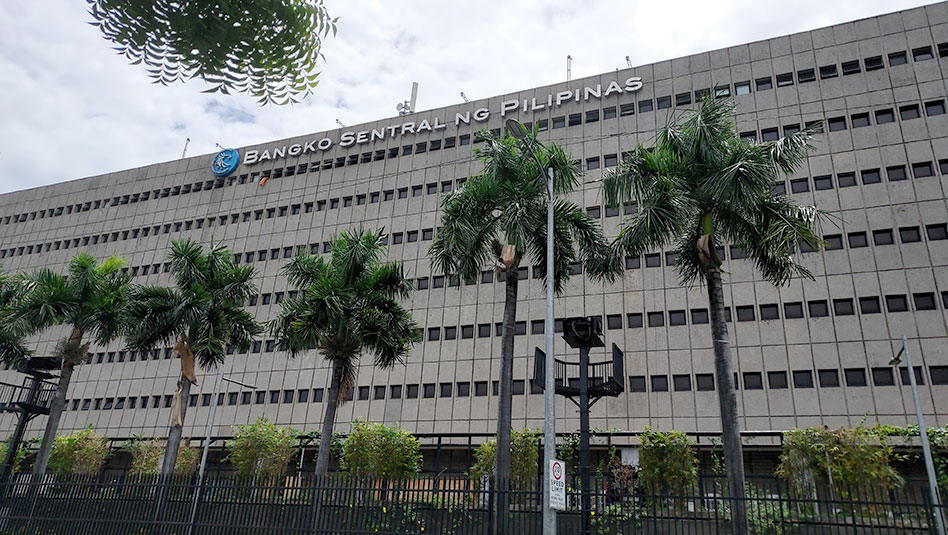
Metrobank is regulated by the Bangko Sentral ng Pilipinas
Website: https://www.bsp.gov.ph

Quick Links
The Gist Webinars Wealth Manager Explainers
Markets
Currencies Rates & Bonds Equities Economy
Wealth
Investment Tips Fine Living Retirement
Portfolio Picks
Bonds Stocks
Others
Contact Us Privacy Notice Terms of Use
© 2026 Metrobank. All rights reserved.

Access this content:

If you are an existing investor, log in first to your Metrobank Wealth Manager account. ​

If you wish to start your wealth journey with us, click the “How To Sign Up” button. ​

Login HOW TO SIGN UP