




MODEL PORTFOLIO
THE GIST
NEWS AND FEATURES
Global Philippines Fine Living
INSIGHTS
INVESTMENT STRATEGY
Economy Stocks Bonds Currencies
THE BASICS
Investment Tips Explainers Retirement
WEBINARS
2024 Mid-Year Economi Briefing, economic growth in the Philippines
2024 Mid-Year Economic Briefing: Navigating the Easing Cycle
June 21, 2024
Investing with Love
Investing with Love: A Mother’s Guide to Putting Money to Work
May 15, 2024
retirement-ss-3
Investor Series: An Introduction to Estate Planning
September 1, 2023
View All Webinars
DOWNLOADS
grocery-2-aa
Inflation Update: Target breached
DOWNLOAD
Container ship carrying container boxes import export dock with quay crane. Business commercial trade global cargo freight shipping logistic and transportation worldwide oversea concept. Generative AI
Economic Updates
Philippines Trade Update: Wider deficit on strong imports
DOWNLOAD
Frick collection with palm trees 
Economic Updates
Policy Rate Updates: Policy rate updates to reassure 
DOWNLOAD
View all Reports
Metrobank.com.ph How To Sign Up
Follow us on our platforms.

How may we help you?

TOP SEARCHES
  • Where to put my investments
  • Reports about the pandemic and economy
  • Metrobank
  • Webinars
  • Economy
TRENDING ARTICLES
  • Investing for Beginners: Following your PATH
  • On government debt thresholds: How much is too much?
  • Philippines Stock Market Outlook for 2022
  • Deficit spending remains unabated

Login

Access Exclusive Content
Login to Wealth Manager
Visit us at metrobank.com.ph How To Sign Up
Access Exclusive Content Login to Wealth Manager
Search
MODEL PORTFOLIO THE GIST
NEWS AND FEATURES
Global Philippines Fine Living
INSIGHTS
INVESTMENT STRATEGY
Economy Stocks Bonds Currencies
THE BASICS
Investment Tips Explainers Retirement
WEBINARS
2024 Mid-Year Economi Briefing, economic growth in the Philippines
2024 Mid-Year Economic Briefing: Navigating the Easing Cycle
June 21, 2024
Investing with Love
Investing with Love: A Mother’s Guide to Putting Money to Work
May 15, 2024
retirement-ss-3
Investor Series: An Introduction to Estate Planning
September 1, 2023
View All Webinars
DOWNLOADS
grocery-2-aa
Inflation Update: Target breached
April 7, 2026 DOWNLOAD
Container ship carrying container boxes import export dock with quay crane. Business commercial trade global cargo freight shipping logistic and transportation worldwide oversea concept. Generative AI
Economic Updates
Philippines Trade Update: Wider deficit on strong imports
March 27, 2026 DOWNLOAD
Frick collection with palm trees 
Economic Updates
Policy Rate Updates: Policy rate updates to reassure 
March 26, 2026 DOWNLOAD
View all Reports

Archives: Reuters Articles

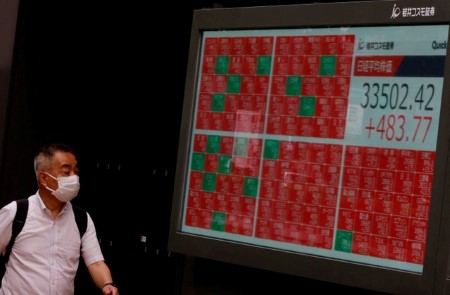
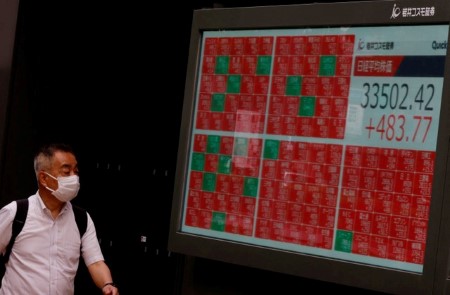
Foreign investors trickle back into Asian equities on hopes of Fed rate cycle peak

Foreign investors trickle back into Asian equities on hopes of Fed rate cycle peak

Nov 8 – Foreign investors are tiptoeing back into Asian equities in November, reversing a trend of heavy selling over the past three months, as easing concerns over aggressive interest rate hikes in developed markets renew risk appetite.

Expectations are mounting that US policy rates may have topped out, with potential cuts on the horizon as early as May. This shift in sentiment follows a perceived dial-back of the Federal Reserve’s hawkish posture and a softer monthly jobs data.

Data from stock exchanges in Taiwan, India, South Korea, Indonesia, the Philippines, Thailand and Vietnam showed foreigners bought stocks worth a net USD 2.05 billion in the past week after about USD 11.16 billion worth of net selling in October.

“We are seeing some unwinding of bearish sentiments into November, as markets bask in the hopes that the Fed is at its end of the hiking cycle,” said Yeap Jun Rong, a Singapore-based market strategist at IG.

“The improved risk environment may draw some inflows into Asian equities towards year-end, as we tread in the seasonally stronger period of the year.”

Responding to shifting rate expectations, US 10-year Treasury yields have fallen roughly 30 basis points this month, offering relief to rate-sensitive sectors such as technology, and renewing interest in South Korean and Taiwanese stocks.

10-year yields peaked at a 16-year high of 5.021% in October, fueled by solid growth forecasts and an expanding fiscal deficit.

South Korea’s markets have been a notable beneficiary, attracting USD 1.32 billion in foreign capital in November to date, a reversal from the USD 2.5 billion exodus last month.

Similarly, Taiwan’s equities have seen inflows of about USD 1.22 billion in the past week, despite foreigners shedding USD 17.4 billion since July.

Vietnam also reported modest foreign buying, with USD 28 million entering its market this month. However, India saw a withdrawal of USD 377 million by overseas investors over the past week, extending October’s USD 2.95 billion net sell-off.

Meanwhile, Indonesian, Thai, and Philippine stocks recorded foreign outflows of USD 429 million, USD 428 million, and USD 171 million, respectively, last month.

(Reporting by Gaurav Dogra and Patturaja Murugaboopathy in Bengaluru; Editing by Varun H K)

Oil slides over 2% on demand worries, lowest settlement in 3 months

Oil slides over 2% on demand worries, lowest settlement in 3 months

NEW YORK, Nov 8 – Oil prices slid over 2% on Wednesday to their lowest in more than three months on concerns over waning demand in the US and China.

Brent crude futures settled down USD 2.07, or 2.5%, to USD 79.54 a barrel. US crude lost USD 2.04, or 2.6%, to USD 75.33. Both benchmarks hit their lowest since mid-July.

“The market is clearly less concerned about the potential for Middle Eastern supply disruptions and is instead focused on an easing in the balance,” ING analysts Warren Patterson and Ewa Manthey said in a note to clients, referring to crude supply conditions.

Also weighing on prices, US crude oil stocks rose by almost 12 million barrels last week, market sources said late on Tuesday, citing American Petroleum Institute figures.

If confirmed, that would be biggest build since February. However, the US Energy Information Administration (EIA) has delayed release of weekly oil inventory data, usually on Wednesdays, until Nov. 15 to complete a systems upgrade.

US crude production will rise this year by slightly less than expected but petroleum consumption will fall by 300,000 barrels per day (bpd), the EIA said on Tuesday, reversing its previous forecast of a 100,000-bpd increase.

Data from China, the world’s biggest crude oil importer, showed its total exports of goods and services contracted faster than expected, feeding worries about the energy demand outlook.

In the euro zone, data showing falling retail sales also highlighted weak consumer demand and the prospect of recession.

“The meltdown we’ve seen in prices is reflecting two things: concerns about the global economy hitting a brick wall based on data out of China and also a sense of confidence that the war in Israel and the Gaza Strip is not going to impact supply,” said Phil Flynn, analyst at Price Futures Group.

Still, China’s October crude oil imports showed robust growth and its central bank governor said the world’s second-biggest economy is expected to hit its gross domestic product growth target this year. Beijing has set a target of about 5% growth.

Analysts from Goldman Sachs estimated seaborne net oil exports by six countries from oil producer group OPEC will remain only 600,000 bpd below April levels. OPEC has announced cumulative production cuts amounting to 2 million bpd since April 2023.

Russia, a part of the producer groups known as OPEC+, is considering lifting an export ban on some grades of gasoline, Interfax news agency quoted Energy Minister Nikolai Shulginov as saying.

Moscow introduced a ban on fuel exports on Sept. 21 to tackle high domestic prices and shortages. The government eased restrictions on Oct. 6, allowing diesel exports by pipeline, but kept measures on gasoline exports.

Barclays lowered its 2024 Brent crude price forecast by USD 4 to USD 93 a barrel.

(Reporting by Stephanie Kelly, Paul Carsten and Muyu Xu; Editing by Marguerita Choy and David Gregorio)


Oil prices fall to over 3-month low on signs of higher supply

Oil prices fall to over 3-month low on signs of higher supply

Nov 8 – Oil prices fell on Wednesday to their lowest in over three months, after industry data showed a steep build in US crude supplies, while mixed Chinese economic data raised worries about global demand for crude.

Brent crude futures dropped 25 cents to USD 81.36 a barrel by 0001 GMT, while US crude futures fell 35 cents to USD 77.02 a barrel. Both declined to the lowest since July 24 in early Asia trade.

US crude oil stocks rose by almost 12 million barrels last week, market sources said late Tuesday, citing American Petroleum Institute figures.

The US Energy Information Administration (EIA) will delay the release of weekly inventory data until the week of Nov. 13.

Crude oil production in the United States this year will rise by slightly less than previously expected while demand will fall, the EIA said on Tuesday.

The EIA now expects total petroleum consumption in the country to fall by 300,000 bpd this year, reversing its earlier forecast of a 100,000 bpd increase.

Data in China, the world’s biggest consumer of oil, also raised doubts about the demand outlook.

Crude oil imports by the world’s second-biggest economy in October showed robust growth but its total exports of goods and services contracted at a quicker pace than expected, adding to fears of lower global energy demand.

Adding to pressure on oil prices was a modest recovery in the US dollar from recent lows, which makes oil more expensive for holders of other currencies.

(Reporting by Stephanie Kelly; Editing by Shri Navaratnam)


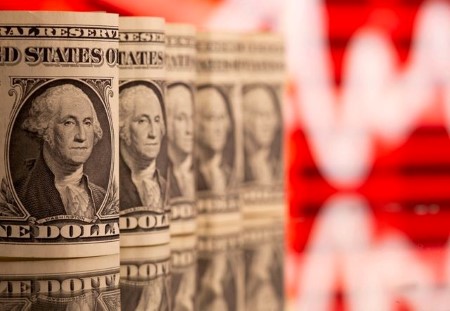
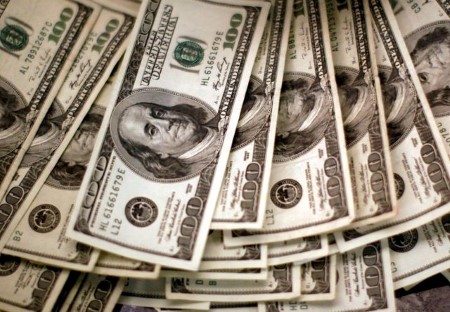
Crack in US dollar strength to spread as economy slows

Crack in US dollar strength to spread as economy slows

BENGALURU, Nov 8 – The dollar’s recent weakness will linger for the rest of the year, according to a majority of FX strategists in a Reuters poll, who also said economic data will be the primary influencer of major currencies for the rest of 2023.

A stronger-than-expected US economy and rising Treasury yields as the Federal Reserve hiked interest rates to curb high inflation provided the dollar with an unassailable edge over its peers.

But renewed expectations the Fed is done with its rate hikes have put the dollar at a disadvantage, with the currency losing almost 2.0% from last month’s peak, leaving the dollar index up around 2% for the year.

Suggesting the current dollar weakening trend has further to go, a near two-thirds majority of analysts, 28 of 45, who answered a separate question said the dollar is likely to trade lower than current levels against major currencies by year-end.

They also expect it to slip against the euro and other G10 currencies over the next 12 months, a position analysts have held all year but have been proven wrong each time. Some are sounding more confident this time they will be right.

“The dollar and US yields have had a strong bullish trend over the (past) two to three months … but it looks like we’ve reached a point where yields and the dollar have peaked out,” said Lee Hardman, senior currency analyst at MUFG.

“It’s going to be harder for yields to hit fresh highs this year because markets are now more confident that the Fed is done hiking, speculation has already started to intensify again that next year we could see a policy reversal from the Fed with speculation building over more aggressive Fed rate cuts next year.”

When asked what will be the primary influencer of major currencies for the rest of the year, a slim majority of analysts, 26 of 49, said economic data. Another 20 said interest rate differentials, and three said safe-haven demand.

Recent employment data suggest cracks are finally appearing in the world’s largest economy’s surprising resilience to rate hikes over the past year and a half. But the US economy is still performing better than all of its peers.

The latest data from the Commodity Futures Trading Commission showed currency speculators were still overwhelmingly net-long on the US dollar, suggesting there was still plenty of support for the greenback.

“At the moment, we’re still tactically long dollar and we think this will have further to run into year-end, primarily against currencies where they continue to show weak fundamentals. EUR/USD would be the primary case of that,” said Simon Harvey, head of FX analysis at Monex Europe.

The eurozone economy shrank 0.1% last quarter and is expected to flat-line in this one, barely skirting a recession. The euro EUR=, after clawing back all of its losses for the year, is predicted to gain around 4.0% over the coming 12-months.

Median predictions from 72 foreign exchange strategists showed the common currency trading at USD 1.07, USD 1.08 and USD 1.11 in the next three, six, and 12 months. Those estimates are broadly unchanged from an October survey.

The Japanese yen, the worst-performing major currency for the year, is expected to remain under pressure in the near term.

Asked what is the weakest level the yen will trade against the dollar by year-end, 20 analysts who answered a separate question returned a median of 152/dollar.

However, the currency, which has lost about a third of its value since 2021 including 13% this year alone, is expected to recoup most of its 2023 losses over the next 12 months.

The yen is expected to gain over 10% to change hands at 136/dollar in a year, the poll showed.

Sterling, already up around 1.5% in 2023, is forecast to gain 3.5% to USD 1.27 in a year.

Emerging market currencies are expected to take well into next year to post noticeable gains against a retreating US dollar.

(Reporting by Hari Kishan; Polling by Sarupya Ganguly, Purujit Arun, Devayani Sathyan, and Anant Chandak; Editing by Ross Finley and Mark Potter)


Drawing support from Wall Street, Fedspeak

Drawing support from Wall Street, Fedspeak

Nov 8 – Asian markets on Wednesday should be well-placed to bounce back from the previous day’s declines, supported by another positive showing on Wall Street that secured the S&P 500’s and Nasdaq’s longest winning streak in two years.

Tuesday’s slide in US Treasury yields will also support risk appetite in Asia, although some of that could be tempered by the dollar’s resilience.

With little on the regional economic data and policy events calendar to give markets a steer, investors will probably take their cue from Wall Street. If so, a positive open to Wednesday’s session is in the cards.

The Nasdaq rose for the eighth day in a row and the S&P 500 rose for a seventh, both marking their best runs in two years. But investors won’t be getting too carried away.

The Nasdaq peaked in November 2021 and the S&P 500’s high watermark came a few weeks later. Between then and October last year, the Nasdaq lost as much as 35% of its value and the S&P 500 shed nearly 30%.

The mostly cautious tone from US policymakers on Tuesday should also help support sentiment in Asia on Wednesday. That said, no Fed official is closing the door to further rate hikes, so a good degree of two-way risk should be factored into emerging and Asian markets.

Perhaps surprisingly, given the ongoing violence and tension in the Middle East, oil prices are now back at their lowest levels since July. Year-on-year, oil is down 15% – the inflationary burst of September has completely reversed.

The news for investors in China over the last 24 hours, meanwhile, was fairly positive. The International Monetary Fund upgraded China’s growth outlook, and Beijing reported a surprise increase in imports last month.

Although the IMF’s move can perhaps be seen as just lagging the private sector, it does come only a few weeks after it released its World Economic Outlook. The IMF now expects China’s economy to grow 5.4% this year and 4.6% next year, up from 5.0% and 4.2%, respectively.

In currency markets, the yen has fallen back below the key 150.00 per dollar mark, while the biggest loser overnight was the Aussie dollar, down 0.9% for its biggest fall in a month.

The Reserve Bank of Australia raised rates to a 12-year high, as expected, but left it open on whether further tightening would be needed to bring inflation to heel.

On the corporate front, perhaps the most interesting of all Japanese corporate earnings reports on Wednesday will be technology group Softbank, after WeWork filed for bankruptcy. Softbank held a 60% stake in the flexible office space provider.

Here are key developments that could provide more direction to markets on Wednesday:

– Fed’s Powell, Williams, Barr, Jefferson, Cook all speak

– Japan tankan manufacturing, services indexes (November)

– Japan FX reserves (October)

(By Jamie McGeever; Editing by Josie Kao)


Investors turn risk-on for some junk debt but not all

Investors turn risk-on for some junk debt but not all

Nov 7 – It’s fear and greed in the fixed-income markets once again as traders bet the Federal Reserve is done raising interest rates, but aren’t quite sure that it won’t still break the US economy. Case in point is the market for low-rated companies.

In recent days, as it started to appear that the Fed rate-hiking cycle might have peaked, investors have shown more willingness to dip their toes back into junk-rated bonds.

But they are going only as far as the safest bets in the junk category, bonds rated BB and B. The riskiest credits, rated CCC or below, are still shunned.

“There is a tug of war between those who believe the Fed is engineering a soft landing and those who are still fearful that a recession is going to result from such aggressive tightening,” said Edward Marrinan, credit strategist at SMBC Nikko Securities Americas.

Investors were still wary of “buying riskier credits when such companies could be challenged by higher costs and less hospitable economic conditions,” said Marrinan.

PRICED OUT

Last week, as Treasuries reversed weeks of a selloff amid hopes the Fed was done, funds that invested in the asset class saw inflows week-to-date of USD 2.89 billion compared to outflows of USD 953 million in the prior week, according to JPMorgan data.

Junk bond spreads, the additional interest rate investors demand over safe Treasury bonds, tightened sharply.

The spreads of those rated BB and B, or the higher rungs of junk, had tightened 47-52 basis points last week, according to Informa Global Markets data. But the riskiest CCC-rated bonds had tightened just 24 basis points.

Four junk bond issuers – Bombardier, Venture Global LNG, Smyrna Ready Mix Concrete, and InfraBuild Australia – announced bond offerings on Monday. Most of the bonds were secured by guarantees or collateral and all had ratings in the B to BB band, reflecting an investor base that was not completely risk-on, said Peter Knapp, credit analyst at Informa Global Markets.

“Lower-rated issuers have effectively been priced out of the market,” said Winnie Cisar, global head of strategy at CreditSights.

“We have not seen any CCC bond deals in quite some time and even receptivity to B-rated companies can be spotty depending on the sector and credit story,” said Cisar.

CREATIVE FINANCING

So far this year, junk bond issuers with B and BB ratings raised USD 134 billion from bond markets compared to USD 77 billion in the same period in 2022 while those with CCC ratings were able to raise just USD 2.37 billion this year compared to USD 12.21 billion last year, according to Informa Global Markets data.

The spotty access to bond markets does not bode well for poorly rated companies. Some USD 480 billion of junk-rated bonds and loans are set to mature through 2025, according to Morgan Stanley.

Two-thirds of these maturities were rated in the B and BB categories, which may be able to absorb higher funding costs. But some 55 issuers with debt maturing before 2025 were either already distressed or face extremely poor refinancing economics, the bank’s report said.

This cohort of borrowers has a total of USD 155 billion in high-yield index-eligible debt.

Moody’s said these debt maturities were already contributing to rising default rates and it expects the rate will peak at 5.6% in January 2024 before easing to 4.6% by August 2024.

Manuel Hayes, senior portfolio manager at London-based asset manager Insight Investment, said a lot of default risk is already priced into the market “with expected losses on any reasonable increased default amounts being manageable and less impactful versus previous default regimes.”

Those without debt market access are resorting to taking loans from private lenders who have shown interest in absorbing some of the refinancings.

And some are using creative financing techniques, including liability management transactions that make them look more creditworthy, to raise new money, Barclays strategists said in a recent note.

In those transactions, called “double dip,” debt is issued by a subsidiary, with guarantees from the parent and other subsidiaries. The subsidiary then gives a loan to the parent which then becomes collateral for the new debt.

That is likely bad news for some investors in such companies’ bonds.

“The recovery prospects of longer-dated secured and unsecured bonds can fall if creative solutions result in existing holders losing access to collateral,” the strategists wrote.

(Reporting by Shankar Ramakrishnan; Editing by Paritosh Bansal and Andrea Ricci)


Gold retreats as safe-haven rally fizzles, palladium hits 5-year low

Gold retreats as safe-haven rally fizzles, palladium hits 5-year low

Nov 7 – Gold hit a two-week low on Tuesday as a safe-haven rally triggered by Middle East tensions lost steam with the market focus turning to interest rate cues from Federal Reserve officials, while palladium slid to a five-year low.

Spot gold fell 0.5% to USD 1,968.19 per ounce by 3:20 p.m. ET (2020 GMT), its lowest since Oct. 24. US gold futures settled down 0.8% at USD 1,973.50.

Silver fell nearly 2% to USD 22.60.

The dollar gained 0.3%, also driving the retreat across metals.

Gold is holding at these levels on expectations the Fed is done raising rates and “the sooner the first rate cut gets pushed in the forecast, the better it is for gold”, said Everett Millman, chief market analyst at Gainesville Coins.

Lower interest rates boost the appeal of zero-yield bullion and the focus will be on Chair Jerome Powell’s speech on Wednesday and Thursday, and other Fed officials due to speak this week.

“Everything would have to go right economically in order for gold to sell off (in 2024),” Millman added.

Bullion hit a five-month high in October as a result of the Israel-Hamas conflict. But recent declines suggest investors are becoming less concerned about geopolitics, Marios Hadjikyriacos, investment analyst at forex broker XM, wrote in a note.

Palladium fell 4.4% to USD 1,057.50, after dropping as much as 5.1% to a five-year low earlier. Platinum eased 1.6% to USD 890.84.

Both are used in car engine exhausts to reduce emissions.

“Substitution from palladium to platinum and more electric vehicles being sold will likely push the metal into a structural surplus next year,” UBS said in a note, forecasting palladium prices at USD 1,050 in the second half of 2024.

Impala Platinum said it was offering voluntary job cuts at some South African mines to cut costs amid falling platinum prices.

Traders also took stock of mixed economic data from key market China.

(Reporting by Ashitha Shivaprasad in Bengaluru, Editing by Arpan Varghese and Alexander Smith)


Wall Street eyes subdued open as rate cut optimism wanes

Wall Street eyes subdued open as rate cut optimism wanes

Nov 7 – Wall Street’s main indexes were set for a subdued open on Tuesday as optimism over potential rate cuts from the Federal Reserve next year waned, with investors on tenterhooks ahead of more commentary from central bank officials.

After a stellar rally last week driven by tumbling Treasury yields, equities have lost momentum in recent days as investors await commentary by Fed policymakers for any signs of a pushback against expectations that US interest rates have peaked.

Federal Reserve Bank of Minneapolis President Neel Kashkari doused hopes of early rate cuts, saying the central bank may have to do more to bring inflation back down to its 2% target.

Chicago Fed chief Austan Goolsbee acknowledged the downward trend in inflation but maintained price pressures are not yet over.

“We will be higher for longer. We think that the first rate cut will take place not in the second quarter of next year, but in the third quarter of next year,” said Sam Stovall, chief investment strategist of CFRA Research.

Adding to the pressure on stocks, US Treasury yields also rebounded from multi-week lows in the previous session, ahead of large bond auctions this week that could determine whether there is enough demand for US government debt.

The benchmark ten-year Treasury yield was last at 4.6224%, slightly lower than Monday’s level.

Market participants will parse commentary from Fed Board Governor Christopher Waller and New York Fed President John Williams later on Tuesday for more clues on the central bank’s interest rate path. Fed Chair Jerome Powell’s remarks will grab the spotlight on Wednesday.

Uncertainty about the timing of potential rate cuts and some dismal corporate forecasts for the fourth quarter have cast a doubt on whether there could be a year-end rally for stocks.

“History tells us that Q4 has always been positive. If we don’t get an advance toward the end of the year, then that implies that investors believe that something worse is likely to occur in the coming calendar year,” Stovall said.

The corporate earnings season has entered its last leg, with a majority of the companies in the S&P 500 having already reported results for the third quarter.

Uber Technologies forecast fourth-quarter adjusted core profit and gross bookings above market expectations but missed Wall Street’s profit target for the July-September period. Shares of the ride-hailing firm fell 1.8% in premarket trading.

EBay and Bumble are among those scheduled to post their results late on Tuesday.

At 8:19 a.m. ET, Dow e-minis were down 66 points, or 0.19%, S&P 500 e-minis were down 7.5 points, or 0.17%, and Nasdaq 100 e-minis were down 1 points, or 0.01%.

Oil firms including Exxon Mobil, Chevron and Occidental Petroleum fell between 0.8% and 1.1% premarket, tracking a 2% decline in crude prices on mixed economic data from China.

Shares of Intel edged up 0.7% after a report said the chipmaker was the leading candidate to likely get billions in government funding for secure defense-chip facilities.

(Reporting by Amruta Khandekar and Shristi Achar A in Bengaluru; Editing by Maju Samuel)

Oil prices ease as mixed China trade data offset supply cuts

Oil prices ease as mixed China trade data offset supply cuts

Nov 7 – Oil prices eased on Tuesday, giving up most of Monday’s gains as mixed economic data from the world’s second largest oil consumer China and winter demand worries offset the impact of Saudi Arabia and Russia extending output cuts.

Brent crude futures slipped 47 cents, or 0.55%, to USD 84.71 a barrel by 0431 GMT while US West Texas Intermediate crude was at USD 80.45 a barrel, down 37 cents, or 0.46%.

Both benchmarks gained about 30 cents on Monday after top exporters Saudi Arabia and Russia reaffirmed their commitment to extra voluntary oil supply cuts until the end of the year.

While China’s crude oil imports showed robust growth both year on year and month on month in October, the country’s total exports still contracted at a quicker pace than expected.

“China’s export data could be seen to be worse than expected, but domestic demand may be picking up,” said CMC Markets’ Shanghai-based analyst Leon Li.

The weak trend in exports reflects downward pressure on the global economy that emerged in the fourth quarter, he added.

Expectations of crude run reductions by China-based refiners between November and December may limit oil demand and exacerbate price declines.

Some analysts also say that the extension of these output cuts mean markets are still cautious on demand drivers, which may put further pressure on prices.

“The production curbs, in light of the limited impact on oil supply of the Israel-Hamas war, suggests they (Saudi Arabia) are still concerned about demand,” said ANZ analysts in a note.

Concerns that a warmer-than-expected winter could curb energy and fuel demand weighed on prices as well.

“This year’s winter in the northern hemisphere is relatively warm, which has reduced fuel consumption to a certain extent,” said CMC Markets’ Li.

Looking ahead on the supply side, markets are waiting to see how long Saudi Arabia and Russia are ready to rein in production.

“What will be of more interest to the market is whether they will extend these cuts into early 2024 or start to bring this output back. We should get clarity on this sometime in early December,” ING analysts added.

Saudi Arabia confirmed on Sunday it would continue with its additional voluntary cut of 1 million barrels per day (bpd) translating into production of about 9 million bpd for December, a source at the ministry of energy said in a statement.

Moscow also announced it would continue its additional voluntary supply cut of 300,000 bpd from its crude oil and petroleum product exports until the end of December.

(Reporting by Yuka Obayashi; Editing by Jamie Freed & Simon Cameron-Moore)


Data deluge could douse fiery start to week

Data deluge could douse fiery start to week

Nov 7 – Tuesday will be one of the busiest days of the year for Asian markets in terms of top-tier regional economic data and events, and investors could not be going into it on a stronger footing.

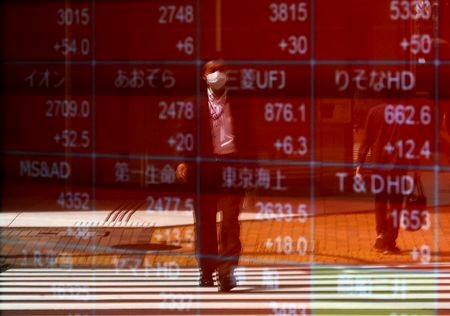
Asian and emerging market stocks rose more than 2% on Monday, bringing their gains over the last three trading sessions up to almost 6%.

This is their best run in a year, powered by easing financial conditions in the form of lower US bond yields and a weaker dollar, and renewed faith in the US economic ‘soft landing’ scenario.

Aggregate financial conditions across emerging markets and in China have slumped in recent days to their loosest in nearly two months, or in the case of India, the easiest in three months, Goldman Sachs financial conditions indices show.

South Korean shares got an added injection of rocket fuel on Monday, surging 5.7% in their biggest leap since early 2020 after authorities re-imposed a ban on short-selling through the first half of 2024 to promote a “level playing field”.

Having under-performed global and developed market benchmarks last week, Asian stocks could be set to outperform this week. That is how markets played out on Monday, as the MSCI World Index and Wall Street eked out gains of no more than 0.3%.

That may temper some of the bullishness across Asia on Tuesday, however, and there is certainly no shortage of event risk to keep investors and traders on their toes.

Australia’s central bank is expected to raise its benchmark cash rate by 25 basis points to 4.35%, the highest since 2011, and breaking a run of four meetings on hold. Sticky inflation is keeping a hawkish bias in Aussie money markets, which are pricing in at least one more quarter-point hike next year.

Also on Tuesday, the Bank of Korea publishes the minutes from its last policy meeting, while on the data front consumer inflation figures from Taiwan and the Philippines, trade data from Taiwan, industrial production figures from Indonesia, and household spending figures from Japan are all on tap.

The big one, however, could be China’s trade report for October. Steep year-on-year declines in imports and exports for most of this year – especially imports – have been a pretty good barometer of the overall economy’s underlying weakness.

But a trough looks to have been reached, the trend is improving, and the economy grew faster than expected in the third quarter. China bulls will be hoping for more encouraging signs.

Skeptical foreign investors will need more than one month of slowing imports and exports decline though. Figures on Monday showed that China recorded its first-ever quarterly deficit in foreign direct investment (FDI) since China’s foreign exchange regulator began compiling the data in 1998.

Here are key developments that could provide more direction to markets on Tuesday:

– Australia central bank policy meeting

– China trade (October)

– Japan household spending (September)

(By Jamie McGeever; Editing by Deepa Babington)


Posts navigation

Older posts
Newer posts

Recent Posts

  • Metrobank US-Iran Risk Index: Fragile ceasefire 
  • Investment Ideas: April 10, 2026 
  • Metrobank US-Iran Risk Index: A new hope
  • A guide for your peso bond portfolio amid higher for longer rates
  • Investment Ideas: April 8, 2026

Recent Comments

No comments to show.

Archives

  • April 2026
  • March 2026
  • February 2026
  • January 2026
  • December 2025
  • November 2025
  • October 2025
  • September 2025
  • August 2025
  • July 2025
  • June 2025
  • May 2025
  • April 2025
  • March 2025
  • February 2025
  • January 2025
  • December 2024
  • November 2024
  • October 2024
  • September 2024
  • August 2024
  • July 2024
  • June 2024
  • May 2024
  • April 2024
  • March 2024
  • February 2024
  • January 2024
  • December 2023
  • November 2023
  • October 2023
  • September 2023
  • August 2023
  • July 2023
  • June 2023
  • May 2023
  • April 2023
  • March 2023
  • February 2023
  • January 2023
  • December 2022
  • November 2022
  • October 2022
  • September 2022
  • August 2022
  • July 2022
  • June 2022
  • May 2022
  • March 2022
  • December 2021
  • October 2021

Categories

  • Bonds
  • BusinessWorld
  • Currencies
  • Economy
  • Equities
  • Estate Planning
  • Explainer
  • Featured Insight
  • Fine Living
  • How To
  • Investment Tips
  • Markets
  • Portfolio Picks
  • Rates & Bonds
  • Retirement
  • Reuters
  • Spotlight
  • Stocks
  • Uncategorized

You are leaving Metrobank Wealth Insights

Please be aware that the external site policies may differ from our website Terms And Conditions and Privacy Policy. The next site will be opened in a new browser window or tab.

Cancel Proceed
Get in Touch

For inquiries, please call our Metrobank Contact Center at (02) 88-700-700 (domestic toll-free 1-800-1888-5775) or send an e-mail to customercare@metrobank.com.ph

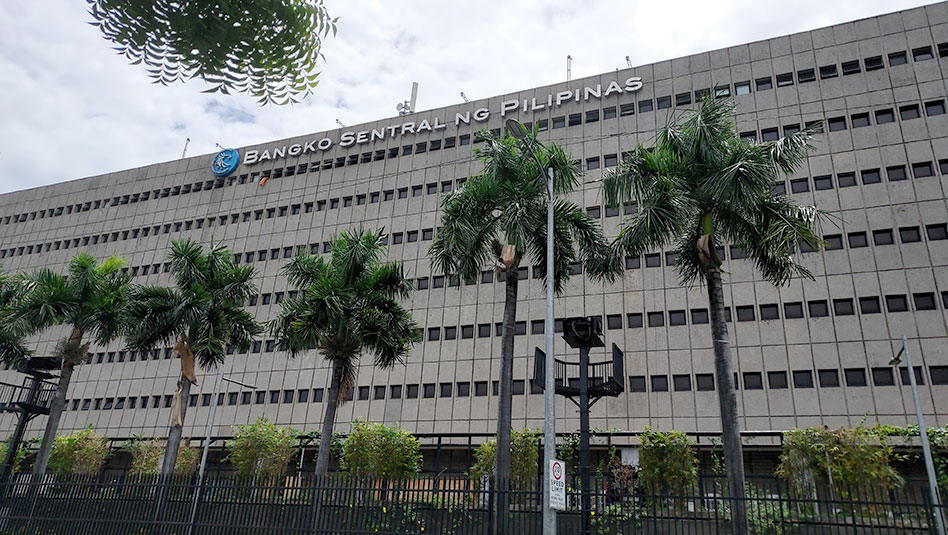
Metrobank is regulated by the Bangko Sentral ng Pilipinas
Website: https://www.bsp.gov.ph

Quick Links
The Gist Webinars Wealth Manager Explainers
Markets
Currencies Rates & Bonds Equities Economy
Wealth
Investment Tips Fine Living Retirement
Portfolio Picks
Bonds Stocks
Others
Contact Us Privacy Notice Terms of Use
© 2026 Metrobank. All rights reserved.

Access this content:

If you are an existing investor, log in first to your Metrobank Wealth Manager account. ​

If you wish to start your wealth journey with us, click the “How To Sign Up” button. ​

Login HOW TO SIGN UP