MODEL PORTFOLIO
THE GIST
NEWS AND FEATURES
Global Philippines Fine Living
INSIGHTS
INVESTMENT STRATEGY
Economy Stocks Bonds Currencies
THE BASICS
Investment Tips Explainers Retirement
WEBINARS
2024 Mid-Year Economi Briefing, economic growth in the Philippines
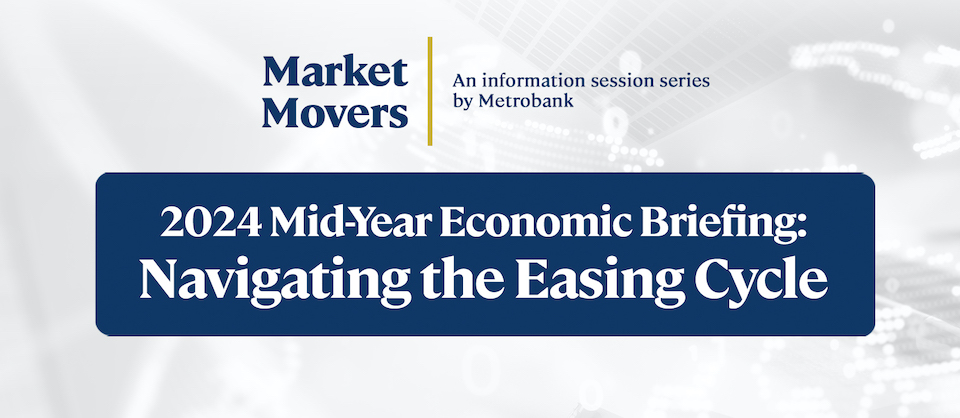
2024 Mid-Year Economic Briefing: Navigating the Easing Cycle
June 21, 2024
Investing with Love
Investing with Love: A Mother’s Guide to Putting Money to Work
May 15, 2024
retirement-ss-3
Investor Series: An Introduction to Estate Planning
September 1, 2023
View All Webinars
DOWNLOADS
grocery-2-aa
Economic Updates
Inflation Update: Target breached
DOWNLOAD
Container ship carrying container boxes import export dock with quay crane. Business commercial trade global cargo freight shipping logistic and transportation worldwide oversea concept. Generative AI
Economic Updates
Philippines Trade Update: Wider deficit on strong imports
DOWNLOAD
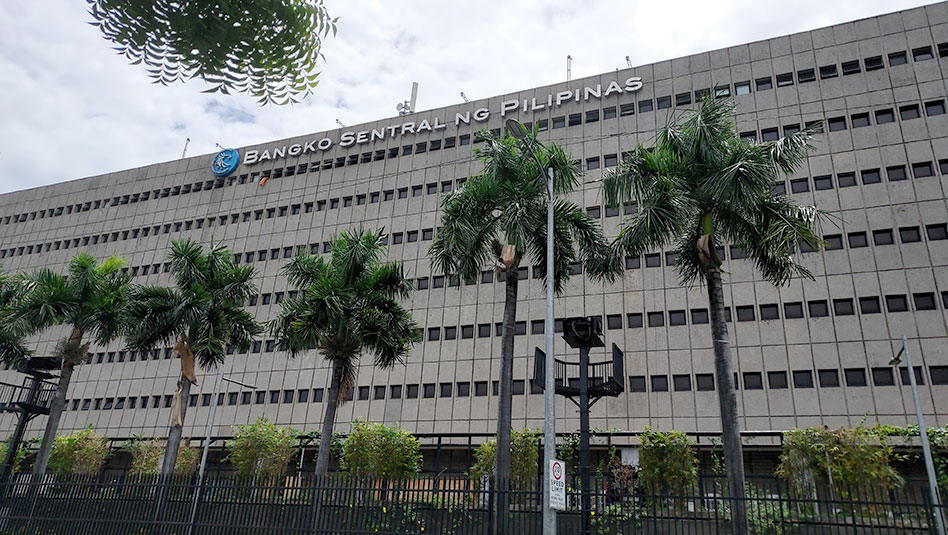
Frick collection with palm trees 
Economic Updates
Policy Rate Updates: Policy rate updates to reassure 
DOWNLOAD
View all Reports
Metrobank.com.ph How To Sign Up
Follow us on our platforms.

How may we help you?

TOP SEARCHES
  • Where to put my investments
  • Reports about the pandemic and economy
  • Metrobank
  • Webinars
  • Economy
TRENDING ARTICLES
  • Investing for Beginners: Following your PATH
  • On government debt thresholds: How much is too much?
  • Philippines Stock Market Outlook for 2022
  • Deficit spending remains unabated

Login

Access Exclusive Content
Login to Wealth Manager
Visit us at metrobank.com.ph How To Sign Up
Access Exclusive Content Login to Wealth Manager
Search
MODEL PORTFOLIO THE GIST
NEWS AND FEATURES
Global Philippines Fine Living
INSIGHTS
INVESTMENT STRATEGY
Economy Stocks Bonds Currencies
THE BASICS
Investment Tips Explainers Retirement
WEBINARS
2024 Mid-Year Economi Briefing, economic growth in the Philippines
2024 Mid-Year Economic Briefing: Navigating the Easing Cycle
June 21, 2024
Investing with Love
Investing with Love: A Mother’s Guide to Putting Money to Work
May 15, 2024
retirement-ss-3
Investor Series: An Introduction to Estate Planning
September 1, 2023
View All Webinars
DOWNLOADS
grocery-2-aa
Economic Updates
Inflation Update: Target breached
April 7, 2026 DOWNLOAD
Container ship carrying container boxes import export dock with quay crane. Business commercial trade global cargo freight shipping logistic and transportation worldwide oversea concept. Generative AI
Economic Updates
Philippines Trade Update: Wider deficit on strong imports
March 27, 2026 DOWNLOAD
Frick collection with palm trees 
Economic Updates
Policy Rate Updates: Policy rate updates to reassure 
March 26, 2026 DOWNLOAD
View all Reports

Archives: Business World Article

Peso drops vs dollar on hawkish Fed bets

Peso drops vs dollar on hawkish Fed bets

The peso depreciated against the dollar on Tuesday due to hawkish signals from US Federal Reserve Chair Jerome H. Powell at the Jackson Hole Economic Symposium over the weekend.

The local currency closed at PHP 56.75 versus the dollar on Tuesday, weakening by 18 centavos from Friday’s PHP 56.57 finish, data from the Bankers Association of the Philippines’ website showed.

The local unit opened Tuesday’s session at PHP 56.70 per dollar. Its intraday best was at PHP 56.55, while its weakest showing was at PHP 56.81 against the greenback.

Dollars traded went down to USD 1.28 billion on Tuesday from the USD 1.32 billion on Friday.

The peso was dragged down by hawkish signals from Mr. Powell’s speech on Friday, Rizal Commercial Banking Corp. Chief Economist Michael L. Ricafort said in a Viber message.

“The peso weakened after Fed Chair Powell hinted at a prolonged period of elevated US policy rates during his speech at the Jackson Hole Symposium,” a trader likewise said in an e-mail.

The Federal Reserve may need to raise interest rates further to cool still-too-high inflation, Mr. Powell said on Friday, promising to move with care at upcoming meetings as he noted both progress made on easing price pressures as well as risks from the surprising strength of the US economy, Reuters reported.

While not as hawkish a message as he delivered this time a year ago at the annual Jackson Hole Economic Policy Symposium, Mr. Powell’s remarks still delivered a punch, with investors now seeing one more rate hike by yearend more likely than not.

The Fed has raised rates by 5.25 percentage points since March 2022, and inflation by the Fed’s preferred gauge has moved down to 3.3% from its peak of 7% last summer. Although the decline was a “welcome development,” Mr. Powell said, inflation “remains too high.”

The Fed will hold its next policy review on Sept. 19-20.

For Wednesday, the trader said the peso could rebound on expectations of a softer US Job Openings and Labor Turnover Survey report overnight, which could signal easing labor market conditions.

The trader expects the peso to move between PHP 56.60 and PHP 56.85 per dollar on Wednesday, while Mr. Ricafort sees it ranging from PHP 56.65 to PHP 56.85. — AMCS with Reuters

Stocks up on window-dressing ahead of US data

Stocks up on window-dressing ahead of US data

Stocks climbed on Tuesday amid month-end window-dressing and as investors await the release of US data that could affect the next policy move of the Federal Reserve.

The Philippine Stock Exchange index (PSEi) rose by 64.39 points or 1.04% to close at 6,225 on Tuesday, while the broader all shares index climbed by 22.22 points or 0.66% to end at 3,354.62.

“Philippine shares opened the week higher as trading gears up for window dressing. On the data front, investors await data on home prices, job openings and consumer confidence due Tuesday morning,” Regina Capital Development Corp. Head of Sales Luis A. Limlingan said in a Viber message.

Meanwhile, AB Capital Securities, Inc. Vice-President Jovis L. Vistan said that shares rallied to track the increase in Asian shares.

“Moreover, a long-awaited technical rally also ensued as a number of local issues had recently dipped into oversold territory,” Mr. Vistan said.

“Market sentiment received a much-needed boost from China’s strategic initiatives aimed at revitalizing its economy. The decision to lower benchmark interest rates and decision to reduce the stock trading stamp duty garnered a positive response from investors,” he added.

China stocks led Asian shares higher on Tuesday with investors welcoming Beijing’s efforts at supporting markets, while bonds rallied and the dollar dipped on possibly softening US data, Reuters reported.

MSCI’s broadest index of Asia-Pacific shares outside Japan rose 1%, with the Hang Seng in Hong Kong up more than 2% and mainland China blue chips up 1.5%.

China has halved stock trading stamp duty, loosened margin loan rules, put the brakes on new listings and approved new retail funds in recent days — signaling, at least, resolve to steady the market even if it does little to support the sputtering economy.

After selling into Monday’s initial bounce, after the measures were announced over the weekend, foreign investors were net buyers of about $500 million in Chinese stocks on Tuesday perhaps in the hope that more substantive aid will follow.

Back home, all sectoral indices rose on Tuesday. Services increased by 22.90 points or 1.52% to 1,529.69; property climbed by 38.55 points or 1.5% to 2,598.37; mining and oil went up by 118.46 points or 1.19% to 10,048.79; financials rose by 18.27 points or 0.99% to 1,847.73; industrials improved by 50.69 points or 0.58% to 8,751.29; and holding firms added 21.82 points or 0.37% to end at 5,862.70.

Value turnover went up to PHP 5.63 billion on Tuesday with 395.06 million shares changing hands from the PHP 3.57 billion with 340.80 million issues seen on Friday.

Decliners narrowly outnumbered advancers, 89 to 85, while 53 names closed unchanged.

Net foreign selling went down to PHP 219.17 million on Tuesday from PHP 657.76 million on Friday.

For this week, Mr. Vistan placed the PSEi’s support at 6,100 and resistance at 6,300. — SJT with Reuters

Rules for Maharlika fund released

Rules for Maharlika fund released

The Philippines took a step closer to starting the operations of its first sovereign wealth fund with the release of the implementing rules and regulations (IRR) for the Maharlika Investment Fund (MIF).

“The MIF will serve as a crucial financing mechanism to widen fiscal space, ease the burden on local funds, and reduce reliance on official development assistance (ODA) in funding big-ticket projects such as those specified in the recently approved Infrastructure Flagship Project (IFP) list,” Finance Secretary Benjamin E. Diokno said in a statement.

In July, President Ferdinand R. Marcos, Jr. signed into law Republic Act No. 11954, which created the Philippines’ first sovereign wealth fund. The IRR, which was published in the Official Gazette on Monday, will take effect on Sept. 12. A copy of the IRR was not yet available on the Official Gazette website as of press time.

“The MIF Act’s IRR is faithful to the law to ensure that the prescribed procedures and guidelines will lead to its harmonized application,” National Treasurer Rosalia V. de Leon said.

Ms. De Leon said the Bureau of the Treasury (BTr), Development Bank of the Philippines (DBP), and Land Bank of the Philippines (LANDBANK) worked to ensure the IRR is consistent with the MIF Act.

The fund will be managed by the Maharlika Investment Corp. (MIC), which will have an authorized capital stock of P500 billion (USD 8.9 billion).

Under the law, the MIC’s initial PHP 125-billion funding will come from the National Government (PHP 50 billion), LANDBANK (PHP 50 billion) and DBP (PHP 25 billion).

The National Government will source its PHP 50-billion contribution from 100% of the dividends of the Bangko Sentral ng Pilipinas (BSP) for the first two years, and the 10% share from Philippine Amusement and Gaming Corp.’s income for five years. It will also source its contribution to the fund from a 10% share of revenues from gaming operations of other government-owned gaming operators and regulators; proceeds from the privatization of government assets; and other sources such as royalties and/or special assessments for a period of five years.

“Other government financial institutions and government-owned and -controlled corporations may invest in the MIF as well… However, those providing social security and public health insurance services are absolutely prohibited from investing in the MIF,” the Department of Finance (DoF) said.

Investments
According to the DoF, the IRR states that the MIC is authorized to “invest in a wide range of products, activities and projects, to wit: cash and other tradable commodities; fixed-income instruments issued by sovereigns; domestic and foreign corporate bonds; listed or unlisted equities; and Islamic investments, such as Sukuk bonds, among others.”

The MIC may also issue bonds, debentures, and securities, but these will not be guaranteed by the Philippine government.

“We will pursue public road networks, tollways, railways, green energy, water resources, agro-industrial ventures, and telecommunications. These critical areas offer high rates of return and significant socioeconomic impact,” Mr. Diokno said.

He said that the fund can also be used for “green and blue projects, countryside development, environment, social, and governance and cutting-edge technologies.”

Meanwhile, Mr. Diokno said the “search is on” for the president and chief executive officer (CEO) of the MIC, as well as other board members.

The MIC board will be composed of the Finance secretary as ex-officio chair, the MIC president and CEO as the vice chair, LANDBANK president and CEO, DBP president and CEO, two regular directors and three independent directors. The board members’ qualifications are “explicitly set out” in the IRR, the DoF said.

“The success of the implementation of the MIF hinges on selection of the best people to oversee and manage the Fund and strict compliance with the provisions of the law. This is why we made sure to include all possible safeguards in the IRR, ensuring that all our bases are covered,” Mr. Diokno said.

The MIC will also be guided by an advisory body composed of secretaries of the Department of Budget and Management, the National Economic and Development Authority, and the national treasurer.

“The advisory body met for the first time in Tokyo, Japan where they attended the public-private partnerships (PPP) and MIF session. The session was held in the JICA headquarters. It serves as an avenue to brief Japanese trading houses, financial institutions, Japanese government agencies, multilateral institutions, and the private sector on their possible involvement in PPP projects in the Philippines and the MIF,” Mr. Diokno said.

The DoF also said that the IRR contains the list of penalties “to ensure the integrity of the Fund.”

Penalties range from PHP 1 million to PHP 15 million and imprisonment of six to 20 years for offenses such as “willfully holding office while in possession of any disqualification; knowingly certifying the corporation’s financial statements despite its gross incompleteness or inaccuracy; willingly allowing oneself to be used for fraud; and failure to sanction, report, or file appropriate action for graft and corrupt practices.” — Luisa Maria Jacinta C. Jocson


Debt payments surge to PHP908 billion

Debt payments surge to PHP908 billion

The National Government’s (NG) debt payments nearly doubled to PHP  907.93 billion during the first half of the year, mainly due to the increase in principal amortization.

Preliminary data from the Bureau of the Treasury (BTr) showed the government’s debt payments surged by 98% in the January-June period from PHP 458.355 billion in the same period last year.

In the first six months, more than two-thirds or 68.89% of the debt service bill went to amortization.

Principal payments as of end-June more than tripled to PHP 625.47 billion from PHP 201.14 billion last year.

Broken down, amortization on domestic debt soared to PHP 561.42 billion as of end-June from PHP 153.38 billion a year ago.

Principal payments on foreign debt jumped by 34.1% to PHP 64.05 billion in the first half from PHP 47.76 billion in the same period a year ago.

Meanwhile, interest payments rose by 9.81% to PHP 282.458 billion in the six-month period from PHP 257.215 billion a year ago.

Interest on local debt slipped by 6.2% to PHP 192.884 billion as of end-June from PHP 205.687 billion last year.

Broken down, interest payments on domestic debt consisted of PHP 108.366 billion for fixed-rate Treasury bonds, PHP 74.731 billion for retail Treasury bonds, and PHP 6.709 billion for Treasury bills.

Meanwhile, interest paid on foreign debt jumped by 73.8% to PHP 89.574 billion in the first semester from PHP 51.528 billion a year ago.

June debt service bill
In June alone, the debt service bill doubled to PHP 88.4 billion from PHP 44.29 billion in the same month in 2022.

Month on month, debt payments surged by 80.2% from P49.05 billion in May.

More than half (59.8%) of the total debt servicing during the month went to interest payments.

Interest payments in June rose by 43.9% to PHP 52.88 billion from PHP 36.75 billion in the same month in 2022.

Interest paid to domestic creditors rose by 20.9% to PHP 40.28 billion. This consisted of PHP 25.62 billion in retail Treasury bonds, PHP 11.412 billion in fixed-rate Treasury bonds, and PHP 1.55 billion in Treasury bills.

Interest paid to external creditors surged by an annual 268.2% to PHP 12.604 billion in June.

Meanwhile, amortization payments skyrocketed (371.4%) to PHP 35.517 billion in June from PHP 7.534 billion in the same month in 2022.

Domestic debt payments ballooned to PHP 27.981 billion in June, while amortization on foreign obligations inched up by 5% to PHP 7.536 billion.

Rizal Commercial Banking Corp. Chief Economist Michael L. Ricafort in a Viber message said that the higher debt service bill was partly due to elevated inflation, which drove up government expenditures.

Headline inflation eased to 5.4% in June from 6.1% in May, still well above the central bank’s 2-4% target range.

For the first half, inflation averaged 7.2%.

The Bangko Sentral ng Pilipinas (BSP) expects inflation to average 5.6% this year.

Mr. Ricafort also noted there was an increase in borrowing costs due to rising interest rates.

The BSP has raised interest rates by 425 basis points (bps) from May 2022 to March 2023, bringing the key rate to 6.25%, a near 16-year high.

“Higher debt servicing is also a function of more maturities of government securities earlier this year,” Mr. Ricafort added.

The government’s debt service program this year is set at PHP 1.552 trillion. This is composed of PHP 914.353 billion in amortization payments and PHP 610.665 billion in interest payments.

Next year, the government set its debt servicing program at PHP 1.91 trillion. Broken down, this consists of PHP 670.471 billion for interest payments and PHP 1.24 trillion for principal amortization. — Luisa Maria Jacinta C. Jocson
Use of cryptocurrency in money laundering a rising concern

Use of cryptocurrency in money laundering a rising concern

The Philippine central bank remains vigilant against money laundering and terrorism financing risks posed by the rise in transactions using virtual assets such as cryptocurrency.

“As virtual assets continue to surge both in users and transactions, the BSP anticipates that different types of risks, including anti-money laundering and countering the financing of terrorism (AML/CFT), may contribute to higher risk exposure,” Bangko Sentral ng Pilipinas (BSP) Deputy Governor Chuchi G. Fonacier told BusinessWorld via Viber message.

She noted the BSP “remains supportive and proactive amidst these developments, while at the same time recognizes that commensurate regulatory mechanisms must be put in place,”

The Philippine central bank regulates virtual asset service providers (VASPs).

While the initial framework only covered providers facilitating the exchange of fiat and virtual assets, the BSP introduced amendments in January 2021 to cover more types of VASPs and to address its risks amid increased use of virtual assets.

Ms. Fonacier said the amendments combined global risk management standards such as the guidance established by the Financial Action Task Force (FATF) on money laundering. This was to align BSP regulation with its international peers.

“This will also help ensure that VASP activities are executed within an unbroken chain of regulated entities. In addition, additional risk management guidelines and reportorial requirements to enhance AML/CFT regulations, risk management, and consumer protection measures aim to ensure the safety and soundness of the financial industry,” she said.

The Philippines is already under increased monitoring by the FATF over deficiencies in its fight against money laundering. The Philippines has been included in the FATF’s “gray list” since 2021.

With the recent collapse of cryptocurrency exchange FTX, Ms. Fonacier said the BSP is also focused on key risk areas such as corporate governance, accounting process, and consumer protection.

“The BSP tightened its licensing mechanism and imposed a three-year moratorium on new VASP license applications starting Sept. 1, 2022. Correspondingly, the BSP likewise strengthened its supervisory activities on existing BSP-registered VASPs to consider their overall performance, risk management systems, and their impact to financial services and the financial system as a whole,” she said.

VASPs refer to entities that offer services or engage in activities that provide facility for the transfer or exchange of virtual assets — any type of digital unit that can be digitally traded or transferred and can be used for payment or investment purposes.

The BSP classifies cryptocurrencies as a type of virtual asset.

Crypto adoption
Swarup Gupta, industry manager of the Economist Intelligence Unit, said the adoption of cryptocurrency has been led by emerging markets with usage picking up in the Philippines, Vietnam, India, Pakistan, Brazil and Thailand.

“Unfortunately, the use of cryptocurrency for illegal activities has also increased over the last two years,” he said in an e-mail.

“Total cryptocurrency received by illicit addresses (in value terms) was estimated at around $20 billion in 2022. The majority of this, around 40%, was used to circumvent (primarily US) sanctions with stolen funds and scams also accounting for a substantial amount of illegal activity.”

Mr. Gupta said this has prompted some countries to tighten AML/CFT regulations, particularly New Zealand and Singapore.

In the US Congress, a bill was recently refiled to strengthen AML/CFT regulations for the digital asset industry, which includes the implementation of customer verification.

Mr. Gupta said governments should ensure that regulations applicable to conventional financial entities are also applicable to issuers of digital assets such as cryptocurrencies.

“This can only be ensured by a clear and unambiguous set of guidelines for crypto assets, which have been held back by the authorities as of now,” he said.

Mr. Gupta said the increased use of cryptocurrency for illegal activities is “worrying” in the absence of globally applicable regulations and sanctions.

The Anti-Money Laundering Council (AMLC) said they periodically review and revisit the implementing rules of the Anti-Money Laundering Act (AMLA) to ensure adherence to international standards.

“The acceleration of digital transformation as well as the COVID-19 (coronavirus disease 2019) pandemic led to the increase in digital vulnerabilities and physical movement restrictions that translated to the proliferation of cybercrimes globally, which does not exempt the Philippines,” the AMLC said.

“Authorities need to be vigilant given the lack of effective market surveillance in the absence of a clear governance framework,” he said. — K.B.Ta-asan

Gross borrowings hit PHP1.4T in 1st half

Gross borrowings hit PHP1.4T in 1st half

The National Government’s (NG) gross borrowings rose nearly a third to PHP 1.42 trillion in the first semester, the Bureau of the Treasury (BTr) reported.

Data from the BTr showed that the NG’s gross borrowings in the first six months jumped by 32.9% from PHP 1.07 trillion in the same period a year ago.

Domestic debt accounted for almost three-fourths or 74.25% of total gross borrowings during the six-month period.

Gross domestic debt surged by 42.5% to PHP 1.06 trillion in the first half from PHP 741.263 billion in the previous year.

Broken down, the BTr raised PHP 686.15 billion from fixed-rate Treasury bonds, PHP 283.763 billion from retail Treasury bonds, and PHP 86.584 billion from Treasury bills.

Meanwhile, external borrowings in the January-June period went up by 11.3% year on year to PHP 366.441 billion from PHP 29.336 billion.

This consisted of PHP 163.607 billion in global bonds, PHP 145.059 billion in program loans, and PHP 57.775 billion in new project loans.

In June alone, the NG’s gross borrowings went up by 13.9% to PHP 166.487 billion from PHP 146.17 billion in the same month in 2022.

Month on month, total borrowings increased by 13.4% from PHP 146.783 billion in May.

Gross domestic borrowings rose by 49.2% to PHP 143.92 billion in June from PHP 96.448 billion a year ago.

The BTr raised PHP 125 billion from the issuance of fixed-rate Treasury bonds and PHP 18.92 billion from Treasury bills.

Meanwhile, gross external debt fell by 54.6% to PHP 22.567 billion during the month from PHP 49.722 billion. This was composed of PHP 19.903 billion in new project loans and PH PHP 2.664 billion in program loans.

Rizal Commercial Banking Corp. Chief Economist Michael L. Ricafort said that the increase in gross borrowings in the first half was likely due to elevated inflation and high interest rates.

“Higher prices and interest rate expenses, as well as weaker peso exchange rate, all contributed to the need to borrow more,” Mr. Ricafort said in a Viber message.

Headline inflation eased to 5.4% in June from 6.1% both in May 2023 and June 2022.

This brought the average six-month inflation print to 7.2%, still higher than the central bank’s revised 5.6% full-year forecast and 2-4% target band.

The Bangko Sentral ng Pilipinas (BSP) has kept its benchmark interest rate at a near 16-year high of 6.25% for three straight meetings.

From May 2022 to March 2023, the BSP has raised borrowing costs by 425 basis points (bps).

“The further reopening of the economy towards greater normalcy may have also increased some government spending especially on infrastructure, thereby leading to the more gross borrowings to financing the deficit, (which) in turn, led to new record-high outstanding National Government debt levels in recent months,” he added.

The NG’s outstanding debt stood at PHP 14.15 trillion as of end-June, up by 10.6% year on year.

Debt as a share of gross domestic product (GDP) stood at 61% at the end of the second quarter. This was unchanged from the first quarter but still remained above the 60% threshold considered by multilateral lenders to be manageable for developing economies.

The Department of Finance expects the debt-to-GDP ratio to end the year at 61.4% and to below 60% by 2025.

“However, there is a need to increase the utilization of government funds/budget by some government agencies in view of the interest rates and other debt servicing costs involved, from an investments perspective and the need to deliver tangible benefits to justify the financing costs incurred, rather than idle or not fully utilized,” Mr. Ricafort added.

This year, the government plans to borrow PHP 2.207 trillion. Broken down, this consists of PHP 1.654 trillion from domestic sources and PHP 553.5 billion from external sources. — Luisa Maria Jacinta C. Jocson

Treasury bill, bond yields to track secondary mart

Treasury bill, bond yields to track secondary mart

Rates of of Treasury bills (T-bills) and bonds on offer this week could track secondary market yield movements following US Federal Reserve Chair Jerome H. Powell’s speech at the Kansas City Jackson Hole Economic Policy Symposium over the weekend.

The Bureau of the Treasury (BTr) will auction off PHP 15 billion in T-bills on Tuesday, or PHP 5 billion each in 91-, 182- and 364-day papers.

On Wednesday, it will offer PHP 30 billion in reissued 10-year Treasury bonds (T-bonds) with a remaining life of five years and four months.

T-bill rates may track the decline seen in secondary market rates due to lower global crude oil prices recently, Rizal Commercial Banking Corp. Chief Economist Michael L. Ricafort said in a Viber message.

At the secondary market on Friday, the 91-, 182-, and 364-day T-bills went down by 1.27 basis points (bps), 0.03 bp, and 2.42 bps week on week to end at 5.7522%, 5.9993%, and 6.3043% respectively, based on the PHP Bloomberg Valuation Service Reference Rates data published on the Philippine Dealing System’s website.

The 10-year bond also inched down by 3.02 bps week on week to end at 6.5225% as the market awaited signals from Mr. Powell’s speech on Friday, Mr. Ricafort said.

The Fed may need to raise interest rates further to cool still-too-high inflation, Mr. Powell said on Friday, promising to move with care at upcoming meetings as he noted both progress made on easing price pressures as well as risks from the surprising strength of the US economy, Reuters reported.

While not as hawkish a message as he delivered this time a year ago at the annual Jackson Hole Economic Policy Symposium, Mr. Powell’s remarks still delivered a punch, with investors now seeing one more rate hike by yearend more likely than not.

The Fed raised interest rates by 25 bps last month, bringing its benchmark overnight rate to a range between 5.25% and 5.5%. It has hiked rates by a cumulative 525 bps since it began its tightening cycle in March last year.

The Federal Open Market Committee will meet on September 19-20 to review policy.

Another lead for this week’s auctions would be the release of the September borrowing plan, a trader added in an e-mail.

The BTr has so far raised PHP 118.32 billion out of its PHP 225-billion program for this month — PHP 79.385 billion via T-bonds and PHP 38.935 billion through T-bills.

Last week, the Treasury raised PHP 15 billion as planned via the T-bills it auctioned off as total bids reached PHP 42.991 billion or more than twice the amount on offer.

Broken down, the Treasury made a full PHP 5-billion award of the 91-day T-bills as tenders for the tenor reached PHP 18.164 billion. The average rate of the three-month paper went down by 3.3 bps week on week to 5.671%, with accepted rates ranging from 5.643% to 5.69%.

The government also raised PHP 5 billion as planned from the 182-day securities as bids for the tenor reached PHP 10.495 billion. The average rate for the six-month T-bill was at 5.986%, rising by 4.1 bps, with accepted rates at 5.9% to 6.1%.

Lastly, the BTr borrowed the programmed PHP 5 billion via the 364-day debt papers as demand stood at PHP 13.882 billion. The average rate of the one-year T-bill likewise inched up by 0.9 bp to 6.334%. Accepted yields were from 6.25% to 6.35%.

Meanwhile, the reissued 10-year bonds to be offered on Wednesday were last auctioned off on July 12, 2022, where the government raised PHP 35 billion as planned at an average rate of 6.76%. — A.M.C. Sy with Reuters

Peso expected to remain weak versus dollar until next month

Peso expected to remain weak versus dollar until next month

The peso is expected to remain weak against the greenback until next month amid a seasonal rise in dollar demand for imports this quarter, analysts said.

“This third quarter, there really is a seasonal depreciation as businesses buy US dollars to import and stock up on inventories ahead of the holiday season,” China Banking Corp. Chief Economist Domini S. Velasquez said in a Viber message.

“In the fourth quarter, we will likely see the peso appreciate again as remittances come in,” Ms. Velasquez said.

The local unit closed at PHP 56.57 versus the dollar on Friday, strengthening by 19 centavos from Thursday’s PHP 56.76 finish, data from the Bankers Association of the Philippines’ website showed.

For the year so far, the peso has depreciated by 1.44% against the dollar from its PH P55.755 close on December 29, 2022.

The peso could recover to the PHP 55 level in the fourth quarter amid the seasonal increase in remittances, Rizal Commercial Banking Corp. Chief Economist Michael L. Ricafort likewise said in a Viber message.

Ms. Velasquez added the peso could also appreciate if the US Federal Reserve signals that they will hike one more time this year.

“Fundamentally, the peso is stronger because we have smaller trade deficits this year, continued inflow of remittances, and increasing tourist arrivals,” she said.

The Fed may need to raise interest rates further to cool still-too-high inflation, Fed Chair Jerome H. Powell said on Friday, promising to move with care at upcoming meetings as he noted both progress made on easing price pressures as well as risks from the surprising strength of the US economy, Reuters reported.

While not as hawkish a message as he delivered this time a year ago at the annual Jackson Hole Economic Policy Symposium, Mr. Powell’s remarks still delivered a punch, with investors now seeing one more rate hike by yearend more likely than not.

The Fed raised borrowing costs by 25 basis points (bps) last month, bringing its target rate to a range between 5.25% and 5.5%.

It has hiked rates by a cumulative 525 bps since it began its tightening cycle in March last year.

Bank of the Philippine Islands Lead Economist Emilio S. Neri, Jr. likewise said the peso’s weakness will likely continue next month amid rising imports.

“Slower inflation prints for the Philippines combined with seasonal strength of remittances may bring us back to the P55 level by yearend,” he added.

Headline inflation slowed for a sixth straight month to 4.7% in July. For the first seven months, inflation averaged 6.8%, above the central bank’s 5.6% forecast and 2-4% target. — AMCS with Reuters

Yields on gov’t debt drop

Yields on gov’t debt drop

Yields on government securities (GS) fell last week following the Treasury bond (T-bond) auction result and as the market awaited the updates from the US Federal Reserve’s Jackson Hole symposium.

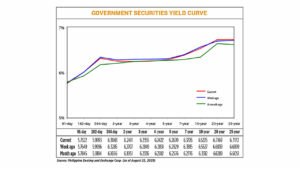
GS yields declined by 1.58 basis points (bps) on average week on week, based on PHP Bloomberg Valuation Service Reference Rates as of August 25 published on the Philippine Dealing System’s website.

Rates of most tenors declined last week, except for the 20- and 25-year T-bonds, which rose by 3.3 bps and 1.73 bps, respectively, to fetch 6.7169% and 6.7172%.

At the short end of the curve, the 91-, 182-, and 364-day Treasury bills (T-bills) went down by 1.27 bps (to 5.7522%), 0.03 bp (5.9993%), and 2.42 bps (6.3043%), respectively.

At the belly, the yields on the two-, three-, four-, five-, and seven-year T-bonds decreased by 2.96 bps (to 6.2411%), 4.94 bps (6.2355%), 4.29 bps (6.2422%), 2.59 bps (6.2670%), and 0.89 bp (6.3726%), respectively.

The 10-year T-bond also fell by 3.02 bps to yield 6.5225%.

Total GS volume traded on Friday amounted to PHP 10.26 billion, lower than the PHP 10.68 billion seen on August 18.

“Yields were mostly lower as they tracked US Treasury yields, which have corrected from recent highs. The rejection of last Tuesday’s auction also helped as investors looked for other outlets,” said the first bond trader in a Viber message.

Last week, the government rejected all bids for its PHP 30-billion offer of reissued 20-year T-bonds with a remaining life of 15 years and five months last week despite tenders reaching PHP 35.302 billion.

Had the Bureau of the Treasury (BTr) made a full award, the issue’s average rate would have jumped by 158.6 bps to 6.927% from the 5.341% quoted for the bond when it was last offered on Nov. 28, 2019, with yields ranging from 6.723% to 7.24%.

“Yields on the short-dated and longer-dated securities rose, in line with global bond yield movements. The move was driven by anxiety ahead of the Jackson Hole conference where US Fed Chair Jerome H. Powell will be delivering a speech,” Nicholas Antonio T. Mapa, senior economist at ING Bank N.V. Manila, said in an e-mail.

The Federal Reserve may need to raise interest rates further to cool still-too-high inflation, Mr. Powell said on Friday, promising to move with care at upcoming meetings as he noted both progress made on easing price pressures as well as risks from the surprising strength of the US economy, Reuters reported.

The second bond trader said local yield movements were attributable to various developments. 

“GS yields declined on the average [last] week from downbeat outlook on the local economy following the softer Philippine gross domestic product (GDP) report. Likewise, views of a global slowdown were fueled after the sharp decline in various PMIs (S&P Global Philippines Manufacturing Purchasing Managers’ Index) from major economies in August 2023 and the recent downgrade of S&P Global Ratings on small- and medium-sized US banks,” the bond trader said in an e-mail.

GDP growth slowed to 4.3% in the second quarter from 6.4% in the first quarter and 7.5% in the same period a year earlier.

For the first half, GDP growth averaged 5.3%, lower than the government’s 6-7% target.

Meanwhile, the S&P Global Philippines Manufacturing Purchasing Managers’ Index stood at 51.9 in July, up from the 11-month low of 50.9 in June.

For this week, the first bond trader said the market will look at the BTr’s aggressiveness during its auctions and await the release of its September borrowing schedule.

“Investors will likely watch out for clues if BTr will issue more bonds next month to match the expected maturity amounting to PHP 144 billion on Sept. 10,” the trader said.

The second bond trader said local yields are likely to move higher as market participants expect that the Fed will keep rates higher for longer.

“This view might be supported by a slight uptick in the US Fed’s preferred inflation gauge in July and a robust US labor market for August, both of these crucial economic data are due to be released this week,” the second bond trader said.

“[This] week, markets will take their cue from the speech of Mr. Powell as well as the Bangko Sentral ng Pilipinas’ inflation forecast range for August inflation,” Mr. Mapa added.

The government will release August inflation data on September 5. — Lourdes O. Pilar with Reuters

Shares may rise on bargain hunting before data

Shares may rise on bargain hunting before data

Local stocks may climb this week on bargain hunting after the US Federal Reserve said rates could stay high and as investors await the release of latest Philippine manufacturing data.

The Philippine Stock Exchange index (PSEi) fell by 65.17 points or 1.04% to close at 6,160.61 on Friday, while the broader all shares dropped by 25.17 points or 0.75% to end 3,332.40.

Week on week, the PSEi likewise dropped by 129.66 points or 2.06% from its close of 6,290.27 on Aug. 18.

“We may see episodes of bargain hunting given the local market’s current position,” Japhet Louis O. Tantiangco, senior research analyst at Philstocks Financial, Inc., said in a Viber message.

“However, we may not see a strong rally yet as confidence towards the economy is weighed down by mounting inflationary risks and a tempered outlook,” he added.

Philippine headline inflation eased for the sixth consecutive month to 4.7% in July from 5.4% in June, bringing the seven-month average to 6.8%.

The Bangko Sentral ng Pilipinas this month raised its inflation forecasts to 5.6% from 5.4% for 2023, 3.3% from 2.9% for 2024, and 3.4% from 3.2% for 2025.

“The market might enter a consolidation phase with a downward inclination. This projection stems from escalating concerns about rising Fed rates in the wake of Fed Chair Powell’s speech, signaling a substantial likelihood of an additional rate hike within this year,” Unicapital Securities, Inc. Senior Equity Research Analyst Carlos Angelo O. Temporal said in a Viber message.

“This move could counteract any upward movements triggered by bargain hunting, especially as the index approaches its critical support level,” Mr. Temporal said.

The US Federal Reserve may need to raise interest rates further to cool still-too-high inflation, Fed Chair Jerome Powell said on Friday, promising to move with care at upcoming meetings as he noted both progress made on easing price pressures as well as risks from the surprising strength of the US economy, Reuters reported.

While not as hawkish a message as he delivered this time a year ago at the annual Jackson Hole Economic Policy Symposium, Mr. Powell’s remarks still delivered a punch, with investors now seeing one more rate hike by year-end more likely than not.

The Fed has raised rates by 5.25 percentage points since March 2022, and inflation by the Fed’s preferred gauge has moved down to 3.3% from its peak of 7% last summer. Although the decline was a “welcome development,” Mr. Powell said, inflation “remains too high.”

Both analysts said that investors are awaiting the release of  the S&P Global Philippines Manufacturing Purchasing Managers’ Index data on September 1 (Friday) and the producer price survey report on August 30 (Wednesday) for leads.

For this week, Mr. Tantiangco placed the PSEi’s support at 6,000-6,100 and resistance at 6,400. — S.J. Talavera with Reuters

Posts navigation

Older posts
Newer posts

Recent Posts

  • Metrobank US-Iran Risk Index: Art of the deal
  • Investment Ideas: April 14, 2026 
  • Peso GS Weekly: Geopolitics drive a volatile curve
  • Ask Your Advisor: Can my portfolio survive a market crash?
  • Stock Market Weekly: Middle East stalemate weighs on market 

Recent Comments

No comments to show.

Archives

  • April 2026
  • March 2026
  • February 2026
  • January 2026
  • December 2025
  • November 2025
  • October 2025
  • September 2025
  • August 2025
  • July 2025
  • June 2025
  • May 2025
  • April 2025
  • March 2025
  • February 2025
  • January 2025
  • December 2024
  • November 2024
  • October 2024
  • September 2024
  • August 2024
  • July 2024
  • June 2024
  • May 2024
  • April 2024
  • March 2024
  • February 2024
  • January 2024
  • December 2023
  • November 2023
  • October 2023
  • September 2023
  • August 2023
  • July 2023
  • June 2023
  • May 2023
  • April 2023
  • March 2023
  • February 2023
  • January 2023
  • December 2022
  • November 2022
  • October 2022
  • September 2022
  • August 2022
  • July 2022
  • June 2022
  • May 2022
  • March 2022
  • December 2021
  • October 2021

Categories

  • Bonds
  • BusinessWorld
  • Currencies
  • Economy
  • Equities
  • Estate Planning
  • Explainer
  • Featured Insight
  • Fine Living
  • How To
  • Investment Tips
  • Markets
  • Portfolio Picks
  • Rates & Bonds
  • Retirement
  • Reuters
  • Spotlight
  • Stocks
  • Uncategorized

You are leaving Metrobank Wealth Insights

Please be aware that the external site policies may differ from our website Terms And Conditions and Privacy Policy. The next site will be opened in a new browser window or tab.

Cancel Proceed
Get in Touch

For inquiries, please call our Metrobank Contact Center at (02) 88-700-700 (domestic toll-free 1-800-1888-5775) or send an e-mail to customercare@metrobank.com.ph

Metrobank is regulated by the Bangko Sentral ng Pilipinas
Website: https://www.bsp.gov.ph

Quick Links
The Gist Webinars Wealth Manager Explainers
Markets
Currencies Rates & Bonds Equities Economy
Wealth
Investment Tips Fine Living Retirement
Portfolio Picks
Bonds Stocks
Others
Contact Us Privacy Notice Terms of Use
© 2026 Metrobank. All rights reserved.

Access this content:

If you are an existing investor, log in first to your Metrobank Wealth Manager account. ​

If you wish to start your wealth journey with us, click the “How To Sign Up” button. ​

Login HOW TO SIGN UP