MODEL PORTFOLIO
THE GIST
NEWS AND FEATURES
Global Philippines Fine Living
INSIGHTS
INVESTMENT STRATEGY
Economy Stocks Bonds Currencies
THE BASICS
Investment Tips Explainers Retirement
WEBINARS
2024 Mid-Year Economi Briefing, economic growth in the Philippines
2024 Mid-Year Economic Briefing: Navigating the Easing Cycle
June 21, 2024
Investing with Love
Investing with Love: A Mother’s Guide to Putting Money to Work
May 15, 2024
retirement-ss-3
Investor Series: An Introduction to Estate Planning
September 1, 2023
View All Webinars
DOWNLOADS
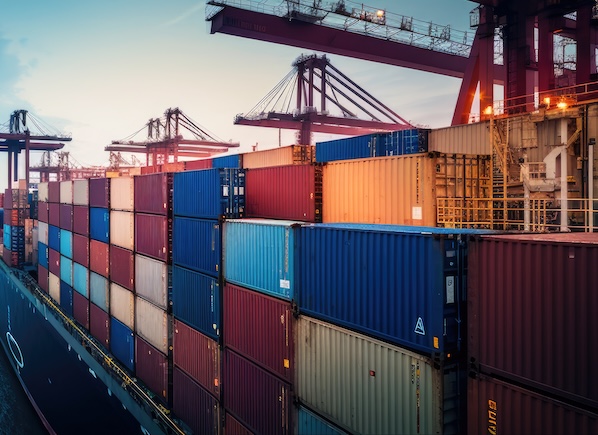
Container ship carrying container boxes import export dock with quay crane. Business commercial trade global cargo freight shipping logistic and transportation worldwide oversea concept. Generative AI
Economic Updates
Philippines Trade Update: Wider deficit on strong imports
DOWNLOAD
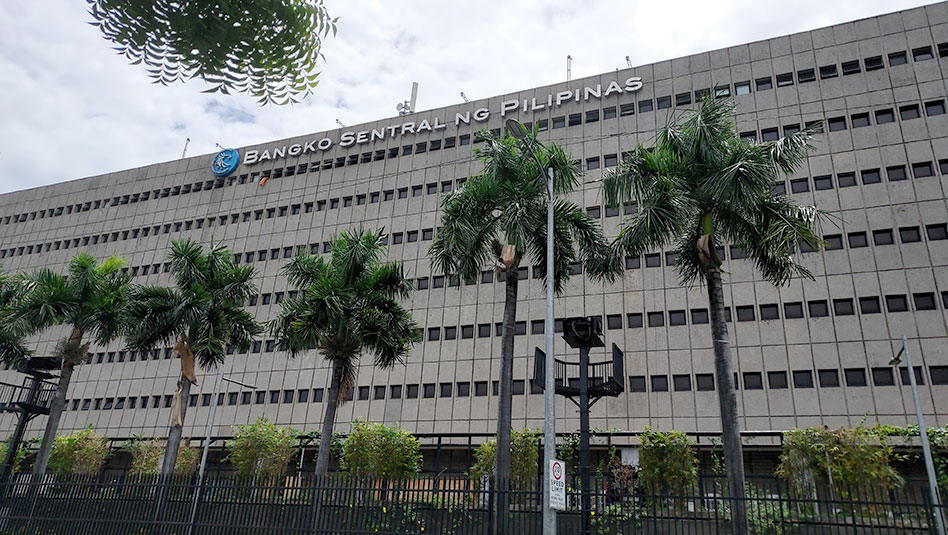
Frick collection with palm trees 
Economic Updates
Policy Rate Updates: Policy rate updates to reassure 
DOWNLOAD
Man using his smartphone
Reports
Fed to cut just once 
DOWNLOAD
View all Reports
Metrobank.com.ph How To Sign Up
Follow us on our platforms.

How may we help you?

TOP SEARCHES
  • Where to put my investments
  • Reports about the pandemic and economy
  • Metrobank
  • Webinars
  • Economy
TRENDING ARTICLES
  • Investing for Beginners: Following your PATH
  • On government debt thresholds: How much is too much?
  • Philippines Stock Market Outlook for 2022
  • Deficit spending remains unabated

Login

Access Exclusive Content
Login to Wealth Manager
Visit us at metrobank.com.ph How To Sign Up
Access Exclusive Content Login to Wealth Manager
Search
MODEL PORTFOLIO THE GIST
NEWS AND FEATURES
Global Philippines Fine Living
INSIGHTS
INVESTMENT STRATEGY
Economy Stocks Bonds Currencies
THE BASICS
Investment Tips Explainers Retirement
WEBINARS
2024 Mid-Year Economi Briefing, economic growth in the Philippines
2024 Mid-Year Economic Briefing: Navigating the Easing Cycle
June 21, 2024
Investing with Love
Investing with Love: A Mother’s Guide to Putting Money to Work
May 15, 2024
retirement-ss-3
Investor Series: An Introduction to Estate Planning
September 1, 2023
View All Webinars
DOWNLOADS
Container ship carrying container boxes import export dock with quay crane. Business commercial trade global cargo freight shipping logistic and transportation worldwide oversea concept. Generative AI
Economic Updates
Philippines Trade Update: Wider deficit on strong imports
March 27, 2026 DOWNLOAD
Frick collection with palm trees 
Economic Updates
Policy Rate Updates: Policy rate updates to reassure 
March 26, 2026 DOWNLOAD
Man using his smartphone
Reports
Fed to cut just once 
March 19, 2026 DOWNLOAD
View all Reports

Archives: Business World Article

BSP’s Monetary Board approves USD 3.81-B foreign borrowings in Q3

BSP’s Monetary Board approves USD 3.81-B foreign borrowings in Q3

The Monetary Board (MB) approved USD 3.81 billion of public sector foreign borrowings in the third quarter, the Bangko Sentral ng Pilipinas (BSP) said on Tuesday.

Approved public sector foreign borrowings in the July-to-September period jumped by 36% from USD 2.81 billion a year ago, the BSP said in a statement.

Quarter on quarter, it fell by 2.31% from USD 3.9 billion in approved public sector foreign borrowings in the April-to-June period.

The central bank approved a bond issuance worth USD 2.5 billion, two project loans worth a combined USD 535.97 million and a program loan worth USD 778.59 million.

Proceeds from the bond issuance will be used for the National Government’s general budget financing and to fund or refinance assets in line with the Philippines’ Sustainable Finance Framework.

“Meanwhile, the other loans will cover projects on maritime safety/support (USD 448.41 million) and agrarian reform (USD 87.56 million) and a program on economic recovery, environmental protection and climate resilience (USD 778.59 million),” the BSP said.

The 1987 Constitution requires the Monetary Board to approve all foreign loan agreements entered into by the National Government.

The BSP must also approve in principle any foreign borrowing proposals by the National Government, government agencies and government financial institutions before negotiations.

“The Bangko Sentral ng Pilipinas promotes the judicious use of the resources and ensures that external debt requirements are at manageable levels to support external debt sustainability,” the central bank said.

Latest BSP data showed that the country’s external debt service burden went down by 7.6% to USD 7.693 billion at end-July from USD 8.329 billion a year ago. 

The debt service burden refers to the amount of money a country needs to pay back its foreign creditors.

As of the second quarter, the debt service burden as a share of gross domestic product (GDP) stood at 3.1%, slightly lower than 3.6% in 2023.

The country’s total outstanding external debt rose by 8.3% to a record USD 130.18 billion as of end-July.

The country’s total outstanding external debt had risen by 10.4% to a record USD 130.182 billion as of end-June, separate BSP data showed, bringing the external debt-to-GDP ratio to 28.9%.

Latest data from the Bureau of the Treasury (BTr) also showed that the National Government’s outstanding debt had slipped by 0.9% month on month to PHP 15.55 trillion as of end-August.

The National Government’s debt as a share of the GDP stood at 60.9% in the second quarter, from 61% a year ago and 60.1% in the previous quarter.

The government is targeting a 60.6% debt-to-GDP ratio by yearend. This is still slightly above the 60% threshold deemed manageable for developing economies.

It seeks to further bring down the ratio to 56% by 2028. —  Aaron Michael C. Sy

Philippines slips in trade sustainability ranking

Philippines slips in trade sustainability ranking

The Philippines slipped to 13th place among 30 economies engaging in sustainable trade best practices, according to a report by the Hinrich Foundation and the International Institute for Management Development (IMD).

The Hinrich-IMD Sustainable Trade Index (STI) measures 30 economies’ readiness and capacity to participate in the global trading system in a sustainable manner through 72 data points categorized into three pillars: economic, societal and environmental.

This year, New Zealand topped the index, followed by the United Kingdom and Australia. The worst performers were Russia (30th), Papua Guinea (29th) and Pakistan (28th).

Philippines drops in Sustainable Trade Index

The Philippines fell a spot to 13th place as its score dropped to 54.8 out of 100 from 61.4 points last year. The Philippines ranked 12th in the 2023 survey.

The Philippines slumped to 19th place in both economic and societal pillars.

The country’s best performing areas under the economic pillar are growth in the labor force (fourth), tariff and non-tariff barriers (11th), and real gross domestic product growth per capita (third), according to the report.

However, the country performed worse in areas such as trade costs (18th), technological infrastructure (21st) and consumer price index (22nd).

Under the societal pillar, the country performed best in stance against trade in goods at risk of modern slavery (14th), government response against human trafficking (second), and labor standards (12th).

However, the IMD said the country performed worse in areas such as inequality (18th), educational attainment (23rd), political stability and absence of violence (25th), and goods produced by forced or child labor (25th).

Meanwhile, the Philippines ranked third in the environmental pillar in this year’s index, one place higher than last year. This measures how much importance a country gives to sustainability within the trade framework.

“Countries that rank highly in this area, such as New Zealand, the United Kingdom, the Philippines, Mexico, and Australia, are distinguished by their strong environmental regulations and commitments to international environmental agreements,” the report said.

“These nations effectively manage carbon emissions, maintain low pollution levels, and prioritize renewable energy (RE) sources,” it added.

The Philippines performed best in the environmental standards in trade (first), ecological footprint (fifth), and RE (sixth), which are indices under the environmental pillar. 

However, the country scored lower in the areas of deforestation (19th) and air pollution (18th).

“Notably, the Philippines witnessed a significant improvement in carbon indicators, rising from 18th to ninth place, and holds 10th place in energy intensity,” the report said.

“Challenges for the Philippines include wastewater treatment, air pollution and deforestation. However, its overall strong performance underscores the country’s commitment to environmentally sound trade practices,” it added.

Rizal Commercial Banking Corp. Chief Economist Michael L. Ricafort said the country’s lower ranking this year could be a result of slower rollouts of RE projects, less developed infrastructure and higher power costs.

“It may be due to a relatively slower rollout of and transition to more renewable power sources such as solar and wind,” he said in a Viber message. 

The Philippine government saw increased investments in renewable energy projects after it allowed full foreign ownership in the sector last year. – Justine Irish D. Tabile, Reporter

Sangley airport development still uncertain

Sangley airport development still uncertain

The Transportation department said the development of Sangley Point International Airport (SPIA) remains uncertain as the joint-venture company still has to secure other approvals before the project moves forward.

This comes after the Philippine Competition Commission (PCC) announced on Monday that it has approved the proposed joint venture between the Cavite provincial government and the SPIA consortium that includes Virata-led Cavitex Holdings, Inc. and Yuchengcos’ House of Investments, Inc.

“Generally speaking, this project is still at the early stage,” Transportation Undersecretary for Aviation and Airports Roberto C.O. Lim said in a phone interview on Monday.

Following the PCC approval, the consortium must submit their proposal which includes the detailed engineering design, Mr. Lim said.

“The Department is waiting for the proponents to submit the plans. We are still waiting for their submission so that the DoTr (Department of Transportation) can look at it and evaluate it,” he said.

Mr. Lim said the consortium also needs to secure an environmental compliance certificate (ECC) to start the project.

“The ECC compliance is another thing that they have to secure because it is in the water and that is an issue. I think the Philippine Reclamation Authority approval is another agency that needs to give its clearance,” he said.

For now, Mr. Lim said it is hard to say if the group can accomplish all the necessary approvals within the year.

Separately, the Transportation department and Civil Aviation Authority of the Philippines (CAAP) said it will expedite its evaluation of the project as soon as possible.

“The joint venture needs to submit to DoTr and CAAP the relevant project documents indicating the scope, design, financials, technical and aeronautical studies, timelines, plans, for evaluation. DoTr and CAAP shall expedite the evaluation of the documents as soon as they are received from the joint venture,” DoTr said in a statement.

In July, House of Investments told the stock exchange that the PCC approved the joint-venture company for the SPIA project.

On Monday, the PCC issued a statement, saying it concluded that the transaction, involving a public-private partnership (PPP) project through a joint-venture agreement, will not result in a “substantial lessening, restriction, or prevention of competition in the relevant market.”

PCC said that its decision was based on three main points — the competition in the construction services market, the link between the companies as major market players, and the potential possibility of overlapping business.

“The Commission found that competition between construction companies was robust due to the presence of numerous qualified contractors in the construction services market,” PCC said.

According to the PCC, it found that the relationship between House of Investments and EEI Corp., where it owns a majority stake, will not block other construction companies from finding customers.

“The Commission found that the companies working together on this project do not have overlapping businesses, and that the presence of numerous companies in the market helps in sustaining competition,” PCC said.

NOT FEASIBLE?

Rene S. Santiago, former president of the Transportation Science Society of the Philippines, said the Sangley Point Airport in not expected to be feasible with the current operations of Ninoy Aquino International Airport (NAIA), Clark International Airport and the development of the New Manila International Airport (NMIA) in Bulacan.

“For the Philippines, Sangley Airport is one too many airports. Airports are agglomerative, contrary to the adage of the more the merrier. Sangley is unlikely to be viable without two conditions: closure of NAIA and an expressway link to Manila,” Mr. Santiago said in a Viber message on Monday.

For Nigel Paul C. Villarete, senior adviser on PPP at the technical advisory group Libra Konsult, Inc., the Sangley Point Airport remains important and still has the potential to be economically sound.

“We still need to build the road connection to Metro Manila. It may have its advantages; many world capitals have multiple airports. The determinant conditions are economic viability which will be dependent on passenger volume,” Mr. Villarete said in a Viber message.

DoTr’s Mr. Lim said that the current plan right now is to enhance the existing facilities as a general aviation airport.

“Sangley is now operating on a limited basis. There are limited operations through general aviation aircraft,” he said.

Mr. Lim also added that the next important infrastructure that needs to be built is a dedicated road to Cavite City.

“So that airlines will be attracted to relocate their operations to Sangley, because the customers would always be sensitive about that. Right now, that is a missing piece,” Mr. Lim said, although he declined to further give details about this plan.

The Cavite Provincial government awarded the USD 11-billion project to the consortium in 2022.

The consortium is targeting to develop the airport into an international hub that will meet future demand.

The National Government currently operates Cavite City’s Sangley Point as a supplemental runway to the Ninoy Aquino International Airport.

In February 2023, the SPIA consortium and the Cavite provincial government signed the joint-venture and development agreement for the project’s implementation.

House of Investments, along with other Philippine members of the consortium, including MacroAsia Corp., signed the development agreement with the Cavite provincial government.

Samsung C&T Corp., Munich Airport International GmbH, and Ove Arup & Partners Hong Kong Ltd. are also involved in the project. – Ashley Erika O. Jose, Reporter

High household debt raises bank asset risks in Southeast Asia

High household debt raises bank asset risks in Southeast Asia

The banking sector in Southeast Asia, including the Philippines, may face asset quality risks amid rising household debt, Moody’s Ratings said.

“High household debt amid elevated interest rates have increased asset risks to several Association of Southeast Asian Nations (ASEAN) banking systems and weakened their credit profiles,” it said in a report.

“Most ASEAN economies saw a sizable increase in household debt over the past decade, supported by strong consumption spending and improving financial inclusion.”

In its report, Moody’s Ratings looked at six ASEAN economies including the Philippines and assessed the overall risk of the household sector to each country’s banking systems. It studied risk factors such as interest rate environment, retail lending growth, and capital and loan loss buffers, among others.

Using this assessment, the Philippines faces a “moderate” risk, same as Malaysia and Indonesia. Thailand and Vietnam had a “high” overall risk, while Singapore obtained a “low” assessment.

“In Indonesia and the Philippines, banks face a moderate level of risk given that households are not highly leveraged and the stable operating environment of these banking systems will support overall asset quality,” Moody’s Ratings said.

“Household debt has risen steadily over the past decade, with banks as the primary lender to the household sector across ASEAN.”

Moody’s said that the increase in household lending was driven by strong private consumption in the past decade. It noted household debt was expanding faster than economic growth in several countries.

“This is inextricably linked to the region’s robust economic growth, which is among the highest globally, and in Indonesia, the Philippines and Vietnam, growth is in tandem with efforts to improve financial access,” it said.

Bank lending rose by 10.7% year on year to PHP 12.25 trillion in August, its fastest growth rate in nearly two years, the latest data from the Bangko Sentral ng Pilipinas (BSP) showed.

However, the growth in consumer loans to residents eased to 23.7% in August from 24.3% a month prior. Slower loan growth was recorded in credit cards (27.4% in August from 28.2% in July), motor vehicles (19.3% from 19.9%), and salary-based general purpose consumption loans (16.4% from 16.5%).

“While household debt in Indonesia, the Philippines and Vietnam has grown at a faster pace, this is from a low base and overall household leverage remains below regional peers,” it said.

“We expect household debt growth will continue to outpace gross domestic product (GDP) growth over the medium term across most ASEAN economies, as credit demand improves in tandem with the normalization of interest rates and stronger economic growth across the region,” it added.

Moody’s Ratings attributed the rise in household debt to improving financial inclusion, particularly in the Philippines, Indonesia and Vietnam, citing the continued digitalization of banking services.

“As financial access improves over time, we expect the most populous economies will be the main driver of growth in household debt in the region.”

The share of Filipinos with bank accounts reached 65% of the adult population in 2022. The BSP wants at least 70% of adult Filipinos to be part of the formal financial system.

Moody’s Ratings also noted that household finances in the region have been “under strain” amid elevated inflation and high borrowing costs.

It noted that monetary tightening was the “steepest” in the Philippines. The Philippine central bank raised borrowing costs by a cumulative 450 basis points (bps) from May 2022 to October 2023 to tame inflation, bringing the policy rate to a 17-year high of 6.5%.

“Looking ahead, we expect the debt repayment capacity of retail borrowers to remain under strain over the medium term from the region’s high interest rate environment and modest income growth,” it said.

“While declining interest rates and stable economic conditions will alleviate asset quality pressures, the overall risk to each banking system will vary based on risk factors such as the extent of household indebtedness and buffers maintained by banks.”

The pandemic also weakened households’ financial buffers against future shocks, which would then increase the asset risks of ASEAN banks, Moody’s Ratings said.

“Consequently, the regional average of NPLs in the retail segment, as a percentage of gross loans, has increased from 1.9% to 2.3% from 2019 to 2023 with most of the deterioration in Vietnam and the Philippines,” it added.

The latest BSP data showed that the Philippine banking industry’s gross nonperforming loan (NPL) ratio rose to 3.59% in August, hitting a fresh two-year high.

Moody’s Ratings also noted that underperforming loans in the retail segment have also increased in Thailand, the Philippines and Vietnam.

“Overall loans at risk… are higher in the Philippines, Thailand and Malaysia, economies which have either higher levels of household leverage or below average household income,” it said.

If NPLs continue to remain elevated, this could weigh on the asset quality of banks in the region, Moody’s Ratings said.

“Banks in Vietnam and the Philippines have shifted their growth focus towards retail loans, to optimize profits and capture growing credit demand in the segment.”

“In these economies, asset risks from the rapid growth in retail loans will increase as the nominal income of individual borrowers is not keeping pace with increases in their debt burdens, while high inflation has eroded real income,” it added.

The report also cited the risk of a higher proportion of unsecured retail lending of banks in the Philippines and Thailand.

“According to the Bank of Thailand, personal loans and credit cards accounted for around 20%-30% of total household debt in 2023 while in the Philippines, credit cards alone formed around 28% of total retail loans.”

“As a result, banks in these economies will need to maintain more capital given the higher risk weights for these products relative to mortgages. They would also need to create more provisions for delinquencies given the exposures to these portfolios are typically not collateralized.” — Luisa Maria Jacinta C. Jocson

Some oil firms considering hike in bioethanol blend

Some oil firms considering hike in bioethanol blend

Several oil firms have committed to complying with the government’s mandate of higher coco biodiesel blend while considering voluntarily increasing bioethanol blend as well.

SEAOIL Philippines, Inc. said it is fully compliant with the B3 biodiesel mandate in all of its stations nationwide.

“We have formally expressed our intent to the Department of Energy (DoE) to participate in the implementation of the E20 ethanol blend in gasoline,” SEAOIL said in a statement sent to BusinessWorld.

Biofuel blends are numbered by the share of the non-petroleum material in the fuel, with the B3 blend indicating 3% coconut content and E20 referring to 20% ethanol content.

Republic Act. No. 9367, otherwise known as the Biofuels Act of 2006, mandates that all liquid fuels for motors and engines contain locally sourced biofuel components.

Since February 2009, oil firms had been required to implement a 2% biodiesel blend by volume in all diesel fuel sold and distributed in the country.

Starting Oct. 1, all diesel fuel sold in the country should contain a 3% coco methyl ester (CME) blend, as directed by the Energy department. The CME blend will further increase to 4% by Oct. 1, 2025 and to 5% a year after.

Oil companies can also offer gasoline fuel containing 20% bioethanol blend on a voluntary basis, increasing from the mandated 10% blend.

Cebu-based fuel retailer Top Line Business Development Corp. is also compliant with the government’s mandate of higher biodiesel blend, according to its President and Chief Executive Officer Eugene Erik C. Lim.

“As to bioethanol, we are still using the current blend,” Mr. Lim said in a Viber message. “We might (increase bioethanol blend) but just need to check the timeline for this.”

Leo P. Bellas, president of Jetti Petroleum, Inc., said that the oil firm started distributing diesel with 3% CME at its stations starting this month. The diesel sold to commercial and bulk customers is also B3.

Mr. Bellas said that the company has no plans of distributing diesel with 20% bioethanol blend in its existing stations but is considering making the gasoline grade available in its four new stations that are currently under construction.

“For the E20, it’s a decision to support the initiatives of the DoE,” Mr. Bellas said.

Pablo Luis S. Azcona, administrator of the Sugar Regulatory Administration (SRA), said that the Philippines only produces about one-third of the bioethanol demand, or 250 million liters. The rest are being imported.

“So far the increase in ethanol blend will bring an increase in molasses demand, which is good for our Filipino farmers,” Mr. Azcona said in a Viber message.

The SRA chief said that they have noticed an increase in price for molasses, a by-product of sugarcane products that can be used as a raw material in bioethanol production.

“The move to 20% (bioethanol blend) will lower the overall cost of ethanol as more imported will be added,” Mr. Azcona said.

He said that oil companies are allowed to import after they have fully consumed local supply.

For the biodiesel mandate, a major issue raised by oil firms was the “sustainability in supply of CME,” according to a report dated Oct. 14 from the United States Department of Agriculture (USDA), citing the DoE’s public information, education, and communication campaign in Manila.

“The coconut oil produced is mainly for export which commands a higher price. To comply with the mandated blend, oil companies want to be assured of CME supply given that domestic coconut production has been declining in the country,” the USDA said.

USDA has projected coconut oil production to decline by 15% to 1.6 million metric tons during the 2024 to 2025 market year due to the reduction in coconut supply.

The agency also said that oil companies are concerned over the price of CME, which climbed to PHP 90 to PHP 95 per liter in 2024 from PHP 57 per liter in 2021.

However, consumers are expected to benefit with the increase in mileage or the number of miles a vehicle can travel.

“The higher biodiesel blend could translate to better mileage for vehicles, as well as lower harmful emissions. As of now, oil companies have yet to reflect the cost of the increased biodiesel blend in the price of diesel since we are still in the transition phase,” Mr. Bellas said.

Meanwhile, oil firms announced on Monday a rollback in the price of gasoline by PHP 0.50 per liter, diesel by PHP 0.70 per liter, and kerosene by PHP 0.85 per liter. The price reduction will take effect on Tuesday (Oct. 22).

Since January, the total adjustment of gasoline and diesel stands at a net increase of PHP 8.55 per liter and PHP 6.05 per liter, respectively. Kerosene has decreased by PHP 3.60 per liter since the start of the year. – Sheldeen Joy Talavera, Reporter

BoP surplus balloons to USD 3.5 billion in September

BoP surplus balloons to USD 3.5 billion in September

The Philippines’ balance of payments (BoP) position posted a surplus in September, the widest in nearly four years, the Bangko Sentral ng Pilipinas (BSP) said.

Data from the BSP showed the BoP ballooned to a USD 3.526-billion surplus in September from USD 88 million in August. It was also a turnaround from the USD 414-million deficit in the same period a year ago.

The September BoP also marked the biggest monthly surplus in close to four years or since USD 4.236 billion in December 2020.

“The BoP surplus in September 2024 reflected inflows mainly from the National Government’s (NG) net foreign currency deposits with the BSP and net income from the BSP’s investments abroad,” the central bank said.

The BoP measures the country’s transactions with the rest of the world. A surplus shows that more money entered the Philippines, while a deficit means more funds left.

At its end-September position, the BoP reflected a final gross international reserve (GIR) level of USD 112.7 billion, higher than USD 107.9 billion as of end-August.

The dollar reserves were enough to cover 4.5 times the country’s short-term external debt based on residual maturity.

It was also equivalent to 8.1 months’ worth of imports of goods and payments of services and primary income.

An ample level of foreign exchange buffers safeguards an economy from market volatility and is an assurance of the country’s capability to pay debts in the event of an economic downturn.

YEAR TO DATE

Meanwhile, the country’s BoP position registered a USD 5.117-billion surplus in the January-September period, widening from the USD 1.736-billion surplus a year earlier.

“Based on preliminary data, this cumulative BoP surplus reflected mainly the narrowing trade in goods deficit alongside the continued net inflows from personal remittances, trade in services, and net foreign borrowings by the NG,” it said.

Latest data from the local statistics authority showed that the trade gap in the January-August period narrowed by 4.35% to USD 34.3 billion from the USD 35.86-billion deficit a year ago.

“Furthermore, net foreign direct and portfolio investments contributed to the BoP surplus,” the BSP added.

Separate data from the central bank showed that net inflows of foreign direct investments rose by 7.5% to USD 5.256 billion in the first seven months from USD 4.888 billion a year earlier.

Meanwhile, foreign portfolio investments yielded a net inflow of USD 1.998 billion in the January-August period, surging by 542.9% from the USD 310.77-billion net inflows a year ago.

Rizal Commercial Banking Corp. Chief Economist Michael L. Ricafort said the BoP surplus ballooned amid the proceeds of the NG’s latest dollar bond offering.   

The government raised USD 2.5 billion from its issuance of triple-tranche US dollar-denominated global bonds at end-August. This marked its second global bond offering this year.

Mr. Ricafort also noted continued growth in remittances and business process outsourcing revenues, among others.

“This partly reflects the record GIR recently that is equivalent to more than 8 months of imports and more than double versus the international standard of three to four months, thereby would fundamentally provide a greater cushion for the peso exchange rate,” he said.

Separate BSP data showed the country’s GIR rose to a record high of USD 112 billion at end-September amid a surge in foreign currency deposits.

“The current account also contributed to this as exports might have accelerated and imports slowed down due to currency depreciation,” John Paolo R. Rivera, a senior research fellow at the Philippine Institute for Development Studies, said in a Viber message.

In the first half of the year, the country’s current account deficit stood at USD 7.1 billion, accounting for 3.2% of GDP. The BSP expects the current account deficit to reach USD 6.8 billion this year, equivalent to 1.5% of GDP.

“Increase in income from foreign investments, remittance inflows, sale of assets may have also contributed to this,” Mr. Rivera added.

Mr. Ricafort said that stronger dollar inflows in the coming months could further support the BoP. He also noted the upcoming holiday season, which would boost remittances and exports.

For 2024, the BSP expects the country’s BoP position to end at a USD 2.3-billion surplus, equivalent to 0.5% of GDP. – Luisa Maria Jacinta C. Jocson, Reporter

‘Wealth tax’ can fund efforts to combat poverty, climate change — US economist Sachs

‘Wealth tax’ can fund efforts to combat poverty, climate change — US economist Sachs

Countries must consider imposing a wealth tax on the “super-rich” to generate much-needed funds to address issues like poverty and climate change, according to American economist Jeffrey D. Sachs.

“We need a wealth tax. It should be a global tax that is paid directly to global public goods so that we can fund the fight against climate change, extreme poverty and so forth,” Mr. Sachs, president and co-founder of the United Nations Sustainable Development Solutions Network, told a forum at the Ateneo de Manila University on Oct. 17.

According to the Forbes World’s Billionaires list released last April, there are 2,781 billionaires around the globe in 2024. Forbes said the world’s billionaires are collectively worth a record USD 14.2 trillion, USD 2 trillion more than last year.

The Forbes World’s Billionaires list included 16 from the Philippines, led by real estate tycoon Manuel B. Villar, Jr. (USD 11 billion) and ports mogul Enrique K. Razon, Jr. (USD 7.3 billion).

“Taxing the wealthy is not only part of justice, it’s very practical,” added Mr. Sachs, who is also a professor and director of the Center for Sustainable Development at Columbia University.

“And these ultra-wealthy would never even notice, frankly. They have more money than they could spend in many lifetimes… So, we’re making a mistake of not directing our public resources in the right way.”

However, taxing the super-rich will be challenging, Mr. Sachs said, noting that many political systems globally are dominated by billionaires.

In the Philippines, calls for the imposition of a wealth tax have been rejected by the government, despite rising debt and a ballooning budget deficit.

Finance Secretary Ralph G. Recto earlier brushed off proposals for a wealth tax, saying the government already implements enough revenue-generating measures.

Countries that already impose a wealth tax include Norway, Ivory Coast, Spain, Argentina, Colombia, Norway, Uruguay, Switzerland, France, Italy, the Netherlands, Belgium, Portugal, and Bangladesh.

Consumer group Samahan at Ugnayan ng mga Konsyumer para sa Ikauunlad ng Bayan (SUKI) Network previously noted that countries like Norway and the Ivory Coast have raised revenues from wealth taxes to boost infrastructure and public services.

“A wealth tax should not have to accelerate price increases… unless the super-rich recommend hikes in the prices of services and products under their purview to recover diminished individual wealth,” a representative from SUKI Network said in a Facebook Messenger chat.

In 2022, lawmakers from the Makabayan bloc filed House Bill (HB) No. 258, proposing to slap a 1-3% tax on the “super-rich” or individuals with a net value of taxable assets exceeding PHP 1 billion. The measure expects to generate around PHP 236.7 billion yearly from the top 50 richest Filipinos alone.

LUXURY TAXES

Meanwhile, House Ways and Means Committee Chairman and Albay Rep. Jose Ma. Clemente S. Salceda said he is still studying a separate proposal to increase the current rate of “luxury” taxes.

Under Section 150 of the National Internal Revenue Code, a 20% luxury tax is imposed on goods and services deemed “nonessential,” such as jewelry, perfume, precious metals, and yachts and other vessels intended for pleasure and sports, among others. 

HB 6993, filed last year, seeks to hike the tax on nonessentials to 25%. It expects to raise around PHP 15.5 billion every year.

The bill also proposes expand the list of excisable articles to include wristwatches, bags, wallets and belts valued at more than PHP 50,000; the sale of residential properties higher than PHP 100,000 per square meter; beverages that cost above PHP 20,000 per liter; and paintings with an estimated value of over PHP 1 million sold by individuals other than the artist.

It also seeks to impose the luxury tax on include antiques valued at PHP 100,000; automobiles, whether brand new or second-hand, with a value of PHP 10 million; and private aircraft and parts except those used by the Philippine government or by airlines and logistics companies.

“My proposal taxes nonessential, even conspicuous, consumption. Obviously, it would also reduce our deficit by as much as 0.2% of GDP (gross domestic product),” Mr. Salceda said in a Viber message.

Mr. Salceda also said he is looking for the best way to implement the measure, citing its effects on consumer behavior.

“What we don’t want is people purchasing those items abroad instead to avoid our taxes,” he said.

“Also, we don’t want to discourage foreign tourists from coming to the country, but we are still working out a system with the BIR (Bureau of Internal Revenue) to see if the excise tax component can also be refunded to foreign tourists.” – Beatriz Marie D. Cruz, Reporter

Holidays, elections may boost jobs, but only temporarily, economists say

Holidays, elections may boost jobs, but only temporarily, economists say

The Christmas holidays and elections next year would most likely create temporary jobs for many Filipinos, while a more dynamic business environment due to easing inflation and lower interest rates will create more quality jobs toward the second half of 2025.

But the government must raise the employability of new and existing workers through upskilling and reskilling, and foster changes in the job market that are aligned with emerging domestic and global manufacturing and service sector trends to fully harness its demographic dividend, economists said.

The Southeast Asian nation should also create job opportunities by boosting public-private partnerships, expanding exports, developing the tourism sector and boosting farm output, Cid L. Terosa, former dean of the University of Asia and the Pacific School of Economics, told BusinessWorld.

Likewise, the state should promote both traditional and nontraditional entrepreneurship such as digital and gig economy-related entrepreneurship, he added.

Mr. Terosa said recent Philippine job data were seasonal since about half-a-million new graduates started looking for work in June.

The Philippine jobless rate fell to 4% in August from the one-year high in 4.7% in July and 4.4% a year earlier, due partly to women’s increased participation in the labor force. This translated 2.07 million unemployed Filipinos, down by 149,000 from a year earlier.

“The prospects appear to be good both for the near and medium terms because of lower inflation and interest rates,” Mr. Terosa said in an e-mailed reply to questions.

The Philippines has failed to harness its demographic dividend unlike most of its Southeast Asian neighbors, with population programs having suffered budgetary declines in recent years, Juan “Jeepy” A. Perez III, former executive director of the Commission on Population and Development, said in an e-mail.

“It’s the eighth country in Southeast Asia to achieve its demographic dividend, but has lagged behind countries like Thailand and Indonesia, which are actively pursuing policies for the dividend,” he said.

“Beyond acknowledging that the country has entered the window of opportunity, it has not developed or enacted new policies in health, education and employment to take advantage of this opportunity,” he added.

Mr. Perez said the budget for programs of the Department of Health and Population Commission for family health fell significantly to PHP 8.3 billion this year from PHP 18.88 billion in 2020.

Family planning budget declined to PHP 750 billion this year from PHP 873 billion in 2023 despite more Filipinos becoming more interested in modern family planning methods, he added.

Another state program that could have helped Manila fully reap the benefits of its demographic dividend is the Philippine Health Insurance Corp.’s (PhilHealth) subsidy for premiums paid by the poor, seniors and people with disability, which was cut by 50% for the first time since 2011. It fell to PHP 40 billion this year from PHP 80 billion in 2023.

“(The House of Representatives) approved its 2025 version of the budget that retained the cut in premium subsidy and a loss of 11 million members who are poor, elderly and disabled,” Mr. Perez added.

Mr. Perez said the Philippines should learn from Thailand, which has extended its benefits for its population in the next two decades after entering into a demographic transition, a phase in which a nation experiences sizable changes in the age distribution of its population, in the 1990s.

“It’s a leading example in our region in terms of exploiting the demographic dividend,” he said.

Thailand provided a child support grant to the bottom 60% of the population with children aged up to 14 years. Its demographic dividend was projected to end in 2011, but it has launched efforts to extend it up to 2040 after simulating the effects of its National Transfer Accounts, such as raising the retirement age and increasing public support for newborns and senior citizens.

The accounts are a tool for projecting the long-term economic impacts of the decrease in working-age people and the proportional increase in older people, with an eye on the expected decrease in the number of taxpayers who are contributing to funding for social services.

‘FAILED POLICY’

To reap the benefit from its demographic dividend, the Philippines should avoid backsliding on efforts to maintain its level of fertility by keeping pace with the demand for family planning services — now 8.8 million and increasing by a few hundred thousand annually — and addressing the demand for postponing fertility among the 25-29 age group.

“Thus, family planning must be focused on women below 25 years who want to use family planning methods to avoid fertility.”

The country should also shift to a living national wage policy from a regional wage setting, Mr. Perez said, noting that attracting foreign direct investments by promoting cheap labor has been a “failed policy since the 1970s.”

“The country should move to a national policy on a living wage, as promised in the National Economic and Development Authority’s Ambisyon 2040,” he added.

It should also increase female employment to at least 60% by removing structural barriers and rolling out incentives, significantly address youth unemployment and boost financial literacy for workers.

But Leonardo A. Lanzona, who teaches economics at the Ateneo de Manila University, said the one-year high jobless rate in July was concerning and could mean that growth was not inclusive enough to absorb more people reaching their working ages.

In 2023, he said, the youth unemployment rate covering ages 15 to 24 stood at 13-14%, significantly higher than the national unemployment rate at 4-5%.

“As the country is completing its demographic transition, it is expected that more new entrants are joining the labor market,” he said. “The observed weakness then is likely to be worse in the coming years.”

He said realizing the full benefits of the country’s demographic shift depends on how well the labor force is integrated into productive employment.

“If a large segment of the working-age population remains unemployed or underemployed during this period, the country risks squandering its chance to enjoy a sustained period of economic growth and improved living standards,” Mr. Lanzona said.

Mr. Lanzona urged the government to pursue economic policies that promote growth in sectors that can absorb young workers such as manufacturing, entrepreneurship and the digital sector.

“But this can happen only if the Department of Education and Technical Education and Skills Development Authority align basic education and vocational training, respectively, with the needs of the labor market to reduce the skill mismatch,” he added.  – Kyle Aristophere T. Atienza, Reporter

PhilHealth to proceed with fund transfer in Nov. — Recto

PhilHealth to proceed with fund transfer in Nov. — Recto

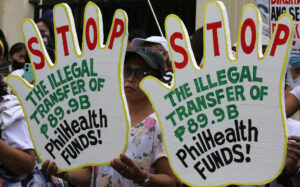
The Philippine Health Insurance Corp. (PhilHealth) will proceed with the scheduled transfer of the remaining PHP 29.9 billion in excess funds to the Treasury in November despite questions over its constitutionality, Finance Secretary Ralph G. Recto said.

“Yes, [the third tranche of] excess funds were remitted to the Treasury yesterday (Oct. 16). There is a scheduled remittance in November,” Mr. Recto told BusinessWorld in a Viber message.

He was referring to the PHP 30 billion remitted by PhilHealth to the Bureau of the Treasury (BTr) on Wednesday.

The last tranche, amounting to PHP 29.9 billion, will be transferred to the BTr in November. PhilHealth previously remitted PHP 20 billion on May 10 and PHP 10 billion on Aug. 21.

This comes despite a petition filed on Wednesday by 1SAMBAYAN Coalition and other groups seeking to halt the transfer of PhilHealth’s excess funds to the Treasury.

The petitioners said the fund transfers violated Article VI, Section 25 (5) of the Constitution. Under the Charter, “no law shall be passed authorizing any transfer of appropriations.”

“However, the President, the President of the Senate, the Speaker of the House of Representatives, the Chief Justice of the Supreme Court, and the heads of Constitutional Commissions may, by law, be authorized to augment any item in the general appropriations law for their respective offices from savings in other items of their respective appropriations.”

Separate petitions questioning the fund transfers were filed by Senate Minority Leader Aquilino Martin D. Pimentel III and former Finance Undersecretary Ma. Cielo D. Magno on Aug. 2 and Bayan Muna on Sept. 6.

The Supreme Court (SC) en banc will hold oral arguments on the fund transfers in January next year.

Sought for comment, Mr. Recto said: “We are only following Congress’ instructions in the budget. We will respect the decision of the Supreme Court.”

A provision included in the 2024 General Appropriations Act allowed the Department of Finance to issue Circular No. 003-2024, authorizing PhilHealth and the Philippine Deposit Insurance Corp. to transfer PHP 89.9 billion and PHP 110 billion, respectively.

These would help fund unprogrammed appropriations worth PHP 203.1 billion, which would support government programs in health, infrastructure, and social services.

“Unlocking these excess fund balances is a more prudent fiscal option than borrowing more or imposing taxes,” the Department of Finance (DoF) said in July.

Mr. Recto earlier said that projects funded by unprogrammed appropriations will boost the real gross domestic product growth by 0.7%. It would also generate up to PHP 24.4 billion in additional revenues and create more jobs.   

The Finance chief also noted that the fund transfers would not impair the delivery of healthcare services, adding that PhilHealth would still have some PHP 550 billion after the excess funds are remitted.

Meanwhile, medical groups are stepping up their efforts to stop PhilHealth’s fund transfers, said Anthony C. Leachon, former president of the Philippine College of Physicians.

“We will intensify our efforts to gather more supporters to stop the final transfer of P29.9 billion in November and hopefully influence the SC to expedite the issuance of TRO (temporary restraining order) or influence the decision in January in favor of the petitioners,” he said in a Viber message.

“The Executive branch should reflect on stopping the transfer since this unprecedented diversion of public funds has legal implications,” he added.

In August, healthcare representatives penned a letter to the DoF saying the excess funds of PhilHealth must be used to improve healthcare services. – Beatriz Marie D. Cruz, Reporter

Philippines’ BPO sector seen to shrink  amid shift to AI

Philippines’ BPO sector seen to shrink  amid shift to AI

The business process outsourcing (BPO) industry in the Philippines is likely to shrink as the shift to artificial intelligence (AI) in the workplace accelerates, Fitch Solutions’ unit BMI said.

“In the case of the Philippines, BPO is a key source of foreign currency, and this vital sector will probably shrink as AI adoption ramps up, since it would allow firms to reshore call centers to even developed economies cost effectively,” BMI Head of Asia Country Risk Darren Tay said in a webinar on Thursday.

“Put bluntly, AI could invalidate the Philippines’ current economic strategy,” he added.

The Contact Center Association of the Philippines (CCAP) expects contact center and BPO industries’ revenue to jump by 9% to USD 32.16 billion this year.

In 2023, CCAP members’ revenue stood at $29.5 billion, accounting for the bulk or 83% of the USD 35.5-billion revenue posted by the Information Technology and Business Process Management (IT-BPM) industry.

BMI said the Philippines is also among the countries that are less likely to benefit from the transition to AI.

According to BMI, lower-income countries are “much slower to adopt AI at a meaningful scale and the developmental gap between these countries and the rest in Asia will probably widen.”

“The Philippines, Indonesia and Thailand are in a worse position compared with the high-income group,” Mr. Tay said.

A quarter of these countries’ workforces are involved in high exposure and low complementarity jobs, such as elementary sales positions, he said.

“And they have a much smaller proportion of workers that are in high complementarity jobs, leaving them less able to benefit from AI-driven productivity gains” he added.

In 2023, the Philippines ranked 65th out of 193 countries in the Government AI Readiness Index by Oxford Insights.

The National Economic and Development Authority (NEDA) earlier said that the Philippine economy could generate PHP 2.6 trillion annually if local businesses adopt AI.

BMI said workers in developed economies are more exposed to AI versus developing countries.

“The International Monetary Fund (IMF) argues that lower income countries could eventually leapfrog older technologies using AI and catch up developmentally with richer countries,” it said.

“However, we think the high cost of building the required infrastructure and highly skilled labor force makes achieving such a feat highly unlikely,” it added.

WIDER INCOME INEQUALITY

Generating the necessary investments to aid in the transition to AI may be increasingly difficult if AI “cuts off existing development paths,” BMI said.

“Furthermore, the proportion of workers who could benefit from AI is much smaller than those who stand to lose in these economies, which means there could well be strong public opposition to adopting AI,” it added.

BMI also noted how AI adoption can lead to a wider income inequality.

“AI will increase income and wealth inequality much like previous disruptive technologies like the internet,” Mr. Tay said.

Though AI has the capacity to boost productivity and incomes, the gap between the rich and the poor will likely widen as a result, BMI said.

This potential widening inequality can also hinder coordination and cooperation between countries.

“Social stability and international cooperation will probably deteriorate insofar as intra-country and inter-country inequality rises because of AI adoption.”

Inter-country inequality makes regional cooperation difficult, BMI said. It cited the challenges to climate change efforts due to the inequalities among countries.

“And in Asia, widening inter-country inequality can impede greater integration under such organizations as ASEAN (Association of Southeast Asian Nations). The counterargument is that developmental differences already exist and even if AI widened these gaps, the impediment to international cooperation may not increase appreciably.”

“However, the income gaps between middle-income and low-income countries tend to be much narrower, and we think that widening those (between Thailand and the Philippines for example) will have a material impact on international cooperation.” — Luisa Maria Jacinta C. Jocson

Posts navigation

Older posts
Newer posts

Recent Posts

  • Navigating precarious times with cost averaging
  • Trade Update: Wider trade deficit in February
  • Metrobank US-Iran Risk Index: No swift end seen
  • Investment Ideas: March 27, 2026
  • BSP Update: First rate hike likely in June 

Recent Comments

No comments to show.

Archives

  • March 2026
  • February 2026
  • January 2026
  • December 2025
  • November 2025
  • October 2025
  • September 2025
  • August 2025
  • July 2025
  • June 2025
  • May 2025
  • April 2025
  • March 2025
  • February 2025
  • January 2025
  • December 2024
  • November 2024
  • October 2024
  • September 2024
  • August 2024
  • July 2024
  • June 2024
  • May 2024
  • April 2024
  • March 2024
  • February 2024
  • January 2024
  • December 2023
  • November 2023
  • October 2023
  • September 2023
  • August 2023
  • July 2023
  • June 2023
  • May 2023
  • April 2023
  • March 2023
  • February 2023
  • January 2023
  • December 2022
  • November 2022
  • October 2022
  • September 2022
  • August 2022
  • July 2022
  • June 2022
  • May 2022
  • March 2022
  • December 2021
  • October 2021

Categories

  • Bonds
  • BusinessWorld
  • Currencies
  • Economy
  • Equities
  • Estate Planning
  • Explainer
  • Featured Insight
  • Fine Living
  • How To
  • Investment Tips
  • Markets
  • Portfolio Picks
  • Rates & Bonds
  • Retirement
  • Reuters
  • Spotlight
  • Stocks
  • Uncategorized

You are leaving Metrobank Wealth Insights

Please be aware that the external site policies may differ from our website Terms And Conditions and Privacy Policy. The next site will be opened in a new browser window or tab.

Cancel Proceed
Get in Touch

For inquiries, please call our Metrobank Contact Center at (02) 88-700-700 (domestic toll-free 1-800-1888-5775) or send an e-mail to customercare@metrobank.com.ph

Metrobank is regulated by the Bangko Sentral ng Pilipinas
Website: https://www.bsp.gov.ph

Quick Links
The Gist Webinars Wealth Manager Explainers
Markets
Currencies Rates & Bonds Equities Economy
Wealth
Investment Tips Fine Living Retirement
Portfolio Picks
Bonds Stocks
Others
Contact Us Privacy Notice Terms of Use
© 2026 Metrobank. All rights reserved.

Access this content:

If you are an existing investor, log in first to your Metrobank Wealth Manager account. ​

If you wish to start your wealth journey with us, click the “How To Sign Up” button. ​

Login HOW TO SIGN UP