




MODEL PORTFOLIO
THE GIST
NEWS AND FEATURES
Global Philippines Fine Living
INSIGHTS
INVESTMENT STRATEGY
Economy Stocks Bonds Currencies
THE BASICS
Investment Tips Explainers Retirement
WEBINARS
2024 Mid-Year Economi Briefing, economic growth in the Philippines
2024 Mid-Year Economic Briefing: Navigating the Easing Cycle
June 21, 2024
Investing with Love
Investing with Love: A Mother’s Guide to Putting Money to Work
May 15, 2024
retirement-ss-3
Investor Series: An Introduction to Estate Planning
September 1, 2023
View All Webinars
DOWNLOADS
Container ship carrying container boxes import export dock with quay crane. Business commercial trade global cargo freight shipping logistic and transportation worldwide oversea concept. Generative AI
Economic Updates
Philippines Trade Update: Wider deficit on strong imports
DOWNLOAD
Frick collection with palm trees 
Economic Updates
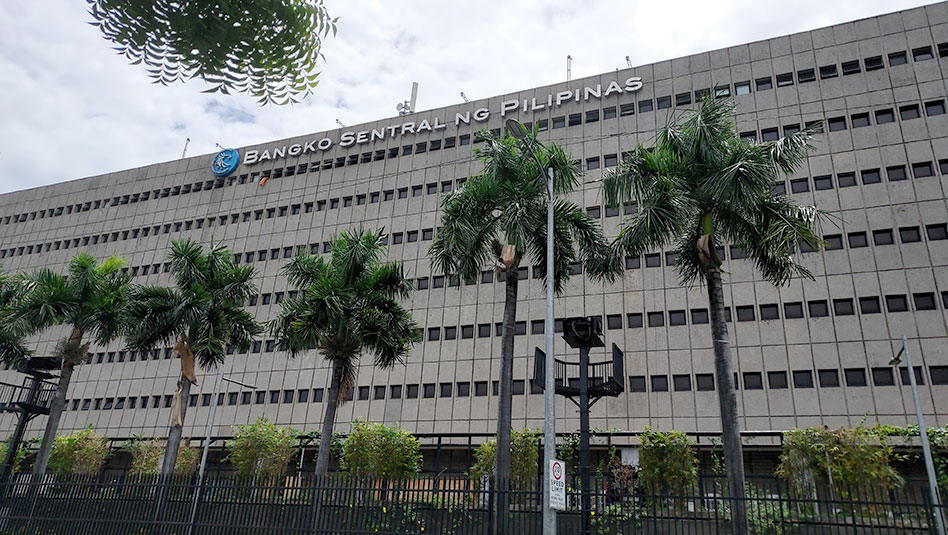
Policy Rate Updates: Policy rate updates to reassure 
DOWNLOAD
Man using his smartphone
Reports
Fed to cut just once 
DOWNLOAD
View all Reports
Metrobank.com.ph How To Sign Up
Follow us on our platforms.

How may we help you?

TOP SEARCHES
  • Where to put my investments
  • Reports about the pandemic and economy
  • Metrobank
  • Webinars
  • Economy
TRENDING ARTICLES
  • Investing for Beginners: Following your PATH
  • On government debt thresholds: How much is too much?
  • Philippines Stock Market Outlook for 2022
  • Deficit spending remains unabated

Login

Access Exclusive Content
Login to Wealth Manager
Visit us at metrobank.com.ph How To Sign Up
Access Exclusive Content Login to Wealth Manager
Search
MODEL PORTFOLIO THE GIST
NEWS AND FEATURES
Global Philippines Fine Living
INSIGHTS
INVESTMENT STRATEGY
Economy Stocks Bonds Currencies
THE BASICS
Investment Tips Explainers Retirement
WEBINARS
2024 Mid-Year Economi Briefing, economic growth in the Philippines
2024 Mid-Year Economic Briefing: Navigating the Easing Cycle
June 21, 2024
Investing with Love
Investing with Love: A Mother’s Guide to Putting Money to Work
May 15, 2024
retirement-ss-3
Investor Series: An Introduction to Estate Planning
September 1, 2023
View All Webinars
DOWNLOADS
Container ship carrying container boxes import export dock with quay crane. Business commercial trade global cargo freight shipping logistic and transportation worldwide oversea concept. Generative AI
Economic Updates
Philippines Trade Update: Wider deficit on strong imports
March 27, 2026 DOWNLOAD
Frick collection with palm trees 
Economic Updates
Policy Rate Updates: Policy rate updates to reassure 
March 26, 2026 DOWNLOAD
Man using his smartphone
Reports
Fed to cut just once 
March 19, 2026 DOWNLOAD
View all Reports

Archives: Business World Article

Vehicle sales to grow by at least 10% next year

Vehicle sales to grow by at least 10% next year

New vehicle sales are expected to grow by at least 10% next year with the launch of new models, according to the Chamber of Automotive Manufacturers of the Philippines, Inc. (CAMPI). 

“Well, easily, total industry sales will increase by 10% next year,” CAMPI President Rommel R. Gutierrez told reporters on the sidelines of the 9th Philippine International Motor Show last week.

For this year, CAMPI has set a sales target of 468,300 units, but hopes it can reach as much as 500,000.

“Our target was 468,000, and it looks like we can do it. [The] 500,000 is an aspirational figure. But if [we can’t reach that] this year, most likely next year because we are almost there. We still have a lot of product launches,” Mr. Gutierrez said.

In the first nine months of the year, vehicle sales grew by 9.4% to 344,307 units from 314,843 units in the same period last year, data from the joint report by CAMPI and the Truck Manufacturers Association (TMA) showed.

The total sales for the January-to-September period already represent 73.5% of the industry’s sales target for the year.

However, the latest report also showed that the growth in sales of commercial vehicles was flat at 29,104 last month, bringing the total sales’ year-on-year growth to 2.4% at 39,542.

Despite this, Toyota Motor Philippines Corp. Head of Marketing Services Elvin G. Luciano said that this is not of concern as demand for Toyota commercial vehicles is still strong. 

“So far, for Toyota, the commercial vehicle sales are steadily strong. There is a heavy demand for our commercial vehicles,” Mr. Luciano told BusinessWorld on the sidelines of Toyota’s Beyond Zero Media Presentation on Saturday.

In the January-to-September period, Toyota remained the market leader with sales of 159,088 units, up 10.3% from 144,232 units a year ago. The car manufacturer’s sales accounted for 46.2% of the industry’s total.

Broken down, Toyota saw a 6.9% increase in commercial vehicle sales to 111,541 in the first nine months and a 19.1% jump in passenger car sales to 47,547 units.

“We are targeting more than 200,000 sales this year. Historically, sales are stronger during the ‘ber’ months as there is higher consideration for vehicle purchases, especially come December,” said Mr. Luciano.

“We are also banking on our new hybrid models. We just launched the full electrified lineup this year and Corolla Cross and Yaris Cross are among our main drivers for hybrid sales,” he added.

Industrywide, Mr. Gutierrez said that the industry is expected to sell over 10,000 units of electrified models this year.

“Last year we sold 10,000 units of hybrid and pure electric vehicles (EVs), but the pure EVs only accounted for less than 500,” he said.

“But definitely, that 10,000 will be surpassed this year. I think on average, we are confident that [EV sales] will be 10% higher than last year,” he added.

Mr. Gutierrez said, however, that the sales will still be dominated by hybrid vehicle sales, accounting for 75%.

However, Mr. Gutierrez said that only 30% of the vehicles sold by the industry are being manufactured locally.

“It’s still around 30%. It’s a bit steady because Toyota Vios and Innova are still here, and their production is around 60,000 a year,” he said.

The latest report from the Association of Southeast Asian Nations (ASEAN) Automotive Federation showed that the country has so far produced 75,644 motor vehicles in the first seven months. This represents a 15.2% increase from the 65,664 units it produced in the same period last year.

Despite the growth, the country’s total production was still smaller compared to that of Thailand (886,069), Indonesia (671,311), Malaysia (462,347), and Vietnam (86,173).

Because of this, Mr. Gutierrez said that the industry wants the Philippine government to continue to implement a Comprehensive Automotive Resurgence Strategy (CARS)-like program.

“Because again we still need the support of the government for local manufacturing. Especially now that the CBUs (or completely built units) are becoming more competitive,” he said.

“Local manufacturing needs support from the government in order to maintain its viability both for EVs and non-EVs. The government is supportive of manufacturing. I am sure we are looking at various incentive schemes by the government,” he added. – Justine Irish D. Tabile, Reporter

Philippine Stock Exchange expects six IPOs in 2025

Philippine Stock Exchange expects six IPOs in 2025

The Philippine Stock Exchange, Inc. (PSE) is expecting to have six initial public offerings (IPOs) for 2025, according to its top official. 

“I think we can do six IPOs for next year. I hope we can get three or four big ones and then maybe some small and medium ones,” PSE President and Chief Executive Officer Ramon S. Monzon told reporters on the sidelines of a forum in Taguig City last week.

Mr. Monzon said west zone water concessionaire Maynilad Water Services, Inc. and the owner of integrated resort Okada Manila are some of the expected IPOs next year.

“We have Maynilad. I have been talking to them. We’ll try to see if Okada Manila (can list as well),” he said.

Under its legislative franchise, Maynilad needs to become a publicly listed firm on or before 2027 and offer at least 30% of its outstanding capital stocks within five years from the grant of the franchise.

The PSE will likely miss its goal of six IPOs for 2024 as there have only been three IPOs so far, namely, gold and copper mining company OceanaGold (Philippines), Inc. as well as renewable energy companies Citicore Renewable Energy Corp., and NexGen Energy Corp.

The local bourse is set to have its fourth public listing in November with the planned IPO of Cebu-based fuel retailer Top Line Business Development Corp.

Some of the highly anticipated companies that have deferred their public listing plans include the real estate investment trust of the Sy-family’s SM Prime Holdings, Inc., Razon-led Prime Infrastructure Capital, Inc., and electronic wallet GCash.

Meanwhile, Mr. Monzon said the PSE is expecting to raise up to PHP 150 billion in capital for 2025.

“Next year, if the market is still like what it is now, it can do PHP 140 [billion] to P150 billion in capital raising,” he said.

Capital raised in the PSE is expected to reach PHP 89 billion this year, according to Mr. Monzon, which is lower than the market operator’s target of PHP 175 billion.

Analysts are anticipating better market conditions next year as the US Federal Reserve and the Bangko Sentral ng Pilipinas (BSP) have started their easing cycles.

The BSP has so far slashed borrowing costs by a total of 50 bps since August, bringing the key rate to 6%. — Revin Mikhael D. Ochave

Budget gap widens in September

Budget gap widens in September

The national government’s (NG) budget deficit widened to PHP 273.3 billion in September, as revenues and expenditures posted double-digit growth, the Bureau of the Treasury (BTr) said on Thursday.

Latest data from the Treasury showed the fiscal gap rose by 8.9% in September from PHP 250.9-billion deficit in the same month a year ago, “as the increase of nominal value of expenditures outpaced the increase in revenues.”

Month on month, the budget gap ballooned by 404% from the PHP 54.21-billion deficit in August.

National Government fiscal performanceRevenue collections jumped by 17.32% to PHP 299.7 billion in September from PHP 255.4 billion last year.

Tax revenues rose by 8.53% to PHP 253.5 billion in September, driven by the Bureau of Internal Revenue (BIR) collection which climbed by 14.79% to PHP 174.7 billion.

The Treasury attributed the rise in BIR collection to “higher personal income tax particularly on withholding on wages due to the release of salary differentials of civilian government personnel,” and increased documentary stamp tax collection.

However, revenues from the Bureau of Customs (BoC) fell by an annual 3.31% to PHP 76.3 billion in September amid a double-digit decline in import duties. An executive order reducing import tariffs on rice and other commodities took effect on July 5.

“Also, the decline (in BoC collection) is due to an alarming increase in smuggling activities within the year, as the current amount of the BoC’s seized goods has already surpassed their total haul in 2023,” the Treasury said.

On the other hand, nontax revenues surged by 111.16% to PHP 46.2 billion in September from PHP 21.9 billion a year ago “primarily due to the one-off windfall from the Public-Private Partnership (PPP) concession agreement.”

Treasury income jumped by 24.86% year on year to PHP 9.9 billion in September “driven by higher NG share from PAGCOR (Philippine Amusement and Gaming Corp.) income, interest income from NG deposits, and guarantee fee collection.”

Nontax revenues collected from other offices surged by an annual 160.39% to PHP 36.3 billion.

Meanwhile, government spending jumped by 13.15% to PHP 572.9 billion in September from PHP 506.3 billion in the same month in 2023.

“The notable increase was mainly attributed to non-interest expenses, particularly due to the implementation of capital outlay projects of the Department of Public Works and Highways,” according to the Treasury.

Expenditures rose as the government implemented the first tranche of salary adjustments of civilian government employees in August. The government also increased payments for healthcare workers’ health emergency allowance claims, BTr added.

Primary spending — which refers to total expenditures minus interest payments — increased by 14.75% to PHP 499.1 billion in September.

Interest payments picked up by 3.36% year on year to PHP 73.9 billion, as the NG serviced new loans from the International Bank for Reconstruction and Development, and the impact of foreign exchange fluctuations.

Rizal Commercial Banking Corp. Chief Economist Michael L. Ricafort said the uptick in revenues was offset by “increased debt servicing/interest costs that increased government expenditure.”

“With fiscal consolidation in place, it might be that revenue generation has been constrained, not allowing it to grow as much as it can,” Philippine Institute for Development Studies Senior Research Fellow John Paolo R. Rivera said in a Viber message.

Nine-month deficit

For the first nine months of 2024, the budget deficit narrowed by 1.35% to PHP 970.2 billion from PHP 983.5 billion a year ago.

“The total deficit for the first three quarters was 9.08% short of the PHP 1.1 trillion program for the 9-month period and is at 65.36% of the PHP 1.5-trillion revised full-year program,” the Treasury said.

Revenues in the January-to-September period rose by 16.04% to PHP 3.29 trillion from PHP 2.84 trillion in the same period in 2023. It also exceeded the PHP 3.15-trillion target for the period by 4.53%.

Tax revenues, which comprised 85.39% of total collections, grew by 10.62% to PHP 2.81 trillion as of end-September. However, this was 0.79% lower than the PHP 2.83-trillion target for the nine-month period.

BIR collections also climbed by 12.73% to PHP 2.09 trillion in the nine-month period, but fell short of the PHP 2.12-trillion goal by 0.98%. This was also 73.52% of the PHP 2.8-trillion revised target for 2024.

“The double-digit year-on-year growth is underscored by higher collection on VAT (value-added tax), followed by income taxes, other domestic taxes, and percentage taxes,” the Treasury said.

BTr attributed the uptick in VAT collections to changes in the payment schedule under the Tax Reform for Acceleration and Inclusion law, which allowed taxpayers to file their VAT returns quarterly.

Customs revenues increased by 4.59% to PHP 690.7 billion in the nine-month period “due to higher VAT and import duties despite the negative performance in September,” BTr said.

However, Customs collection was 0.46% short of the PHP 693.9-billion target. The tally as of end-September accounted for 73.5% of the PHP 939.7-billion revised full-year program.

Nontax revenues as of end-September jumped by 62.54% to PHP 481.1 billion, as collections from other offices nearly doubled to PHP 270.9 billion and Treasury income surged by 33.02% to PHP 210.2 billion.

“The higher outturn for the period was attributed to the PHP 30-billion remittance from the Manila International Airport Authority (MIAA), representing the upfront payment for the MIAA-Ninoy Aquino International Airport PPP Project,” the BTr said.

As of end-September, nontax revenue collections already exceeded the government’s PHP 449.6-billion full-year target by 7%.

Meanwhile, government spending jumped by 11.56% to PHP 4.26 trillion in the first nine months from PHP 3.82 trillion in the same period in 2023.

State expenditure for the period breached the PHP 4.22-trillion nine-month program by 1.09%. To date, the NG has already disbursed 74.09% of the PHP 5.8-trillion revised full-year program.

Primary spending grew by 9.48% year on year to PHP 3.7 trillion as of end-September while interest payments jumped by 26.77% to PHP 583.3 billion.

“Likely, the deficit could still widen further on more expenditures due to infrastructure spending, interest rate expense and the impact of calamities,” Jonathan L. Ravelas, senior adviser at professional service firm Reyes Tacandong & Co., said via Viber.

Mr. Ricafort said wider budget deficits “would still lead to more NG borrowings and overall debt, thereby requiring more tax and other fiscal reform measures.”

The recently imposed VAT on digital service providers and the 1% withholding tax on online sellers would help increase revenue take and narrow the budget deficit, he said. — B.M.D.Cruz

Fitch sees below-target growth for Philippines

Fitch sees below-target growth for Philippines

The Philippines’ gross domestic product (GDP) growth this year may fall below the government’s target amid dampened household spending, Fitch Ratings said.

“We expect the Philippines’ economy to expand by 5.5% in 2024, after 5.5% in 2023 and 7.6% in 2022,” it said in its latest Asia-Pacific Sovereigns Peer Review.

Fitch Ratings’ growth forecast falls well below the government’s 6-7% target. In the first half of the year, GDP averaged 6%.

“The slower growth in 2023 and 2024 has been driven by weaker private consumption, with the post-pandemic boost fading and high (albeit moderating) inflation weighing on real incomes,” it added.

Household spending eased to 4.6% in the second quarter from 5.5% a year ago, the slowest since the coronavirus disease 2019 (COVID-19) pandemic, latest data from the local statistics authority showed.

“Nevertheless, we still forecast real GDP growth of above 6% over the medium term, supported by large investments in infrastructure and reforms to foster trade and investment, including public-private partnerships (PPPs),” Fitch Ratings said.

For 2025, it sees Philippine GDP growth averaging 6.1%, also still below the government’s 6.5-7.5% target range.

Meanwhile, the credit rater expects the National Government’s (NG) fiscal consolidation to continue at a gradual pace.

The government set its deficit ceiling at 5.6% of GDP this year. It is expected to ease further to 3.7% of GDP by 2028.

The Development Budget Coordination Committee (DBCC) kept its deficit ceilings for 2026 to 2028 but revised its revenue and expenditure programs to allow for a more “realistic and sustainable” consolidation path.

“Nevertheless, this is still consistent with a downward path for government (debt-to-GDP) over the medium term, given strong nominal GDP growth,” Fitch said.

“Asia-Pacific (APAC) sovereigns are a long way from undoing the fiscal damage left by the COVID-19 pandemic, as governments have generally prioritized growth and cushioning the public from the effects of the global inflation spike over reducing budget deficits,” it added.

Credit rating

Meanwhile, Fitch Ratings said its latest rating action reflects the country’s “strong medium-term growth, which supports a gradual reduction in government (debt-to-GDP) over the medium term and the large size of the economy relative to ‘BBB’ peers.”

In June, the debt watcher kept the Philippines’ “BBB” investment grade rating with a “stable” outlook. A “BBB” rating indicates low default risk and reflects the economy’s adequate capacity to pay debt.

“The rating is constrained by low GDP per head, despite an upward trend. Governance standards are weaker than at ‘BBB’ peers, though Fitch believes World Bank Governance Indicator scores somewhat overstate this.”

The credit rater cited negative sensitivities to its outlook, such as “reduced confidence in strong, stable medium-term economic growth.”

It also noted the possibility of failing to maintain a stable debt-to-GDP ratio amid the NG’s strategy of scaling back consolidation efforts as well as risks of decreasing foreign-currency reserves due to the potential widening of the current account deficit.

Latest data from the Treasury showed the NG’s outstanding debt slipped by 0.9% to PHP 15.55 trillion as of end-August from the record-high PHP 15.69 trillion as of end-July.

The NG’s debt as a share of GDP stood at 60.9% in the second quarter, still a tad higher than the 60% threshold considered by multilateral lenders to be manageable for developing economies.

In the first half of the year, the country’s current account deficit stood at USD 7.1 billion, accounting for 3.2% of GDP. The central bank expects the current account deficit to reach USD 6.8 billion this year, equivalent to 1.5% of GDP.

On the other hand, Fitch Ratings noted positive sensitivities, such as stronger-than-expected economic growth, sustained reductions in debt, and strengthening of governance standards.

The government aims to achieve an “A” level rating before the end of the Marcos administration in 2028.  – Luisa Maria Jacinta C. Jocson, Reporter

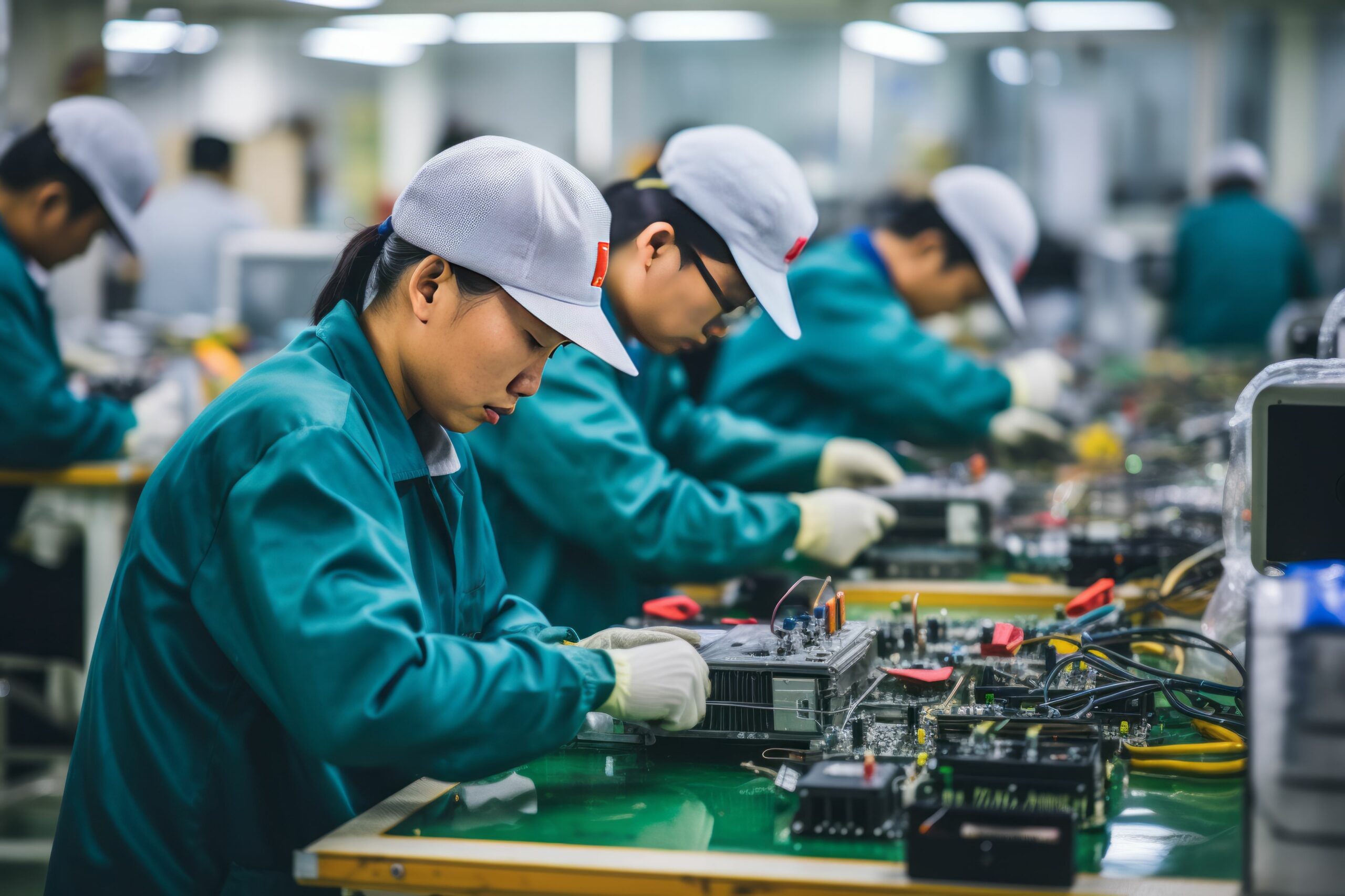
Electronics industry targets 5% increase in exports next year

Electronics industry targets 5% increase in exports next year

The Semiconductor and Electronics Industries in the Philippines Foundation, Inc. (SEIPI) said that it is expecting a 5% growth in exports next year amid inventory correction and the expected entry of new investments.

“We maintained our outlook of 10% contraction this year, but we see 5% growth [in exports] next year,” SEIPI President Danilo C. Lachica told reporters on the sidelines of the 13th Arangkada Philippines Forum 2024 on Thursday.

He said next year’s growth will be driven by inventory correction and the launch of new products and expansion.

“Hopefully, with the initiatives of the government to promote investments, we are looking for new products and new expansions for the coming year,” he added.

SEIPI recently held its fourth-quarter meeting earlier this month and has scheduled another meeting for the first quarter of 2025.

“We’ll have another board meeting in the first quarter. And hopefully, we’ll affirm that 5% outlook,” he said.

Despite the optimistic outlook for next year, Mr. Lachica said the board still expects a 10% decline in exports this year despite the optimism in the electronic manufacturing services (EMS) sector.

“The EMS guys are optimistic, but the semiconductor guys are not. Unfortunately, they weigh more than the EMS, [around] 70% of the volume,” he said.

A report from the Philippine Statistics Authority showed that the country’s top exports are still electronic products, which accounted for 52.9%, or USD 3.57 billion, of the total exports in August.

However, the export value of the country’s electronic product exports in August showed an 8.2% decline from the USD 3.89-billion worth of electronic products exported in the same month last year.

From January to August, exports of electronic products reached USD 27.45 billion, representing a 1% increase from USD 27.19 billion in the same period last year.

Out of the total electronics exports, 76.6% comprised of semiconductors, which had a total value of USD 21.04 billion.

SEIPI had projected a 10% decline in exports due to inventory correction and a less competitive product mix of the exports from the Philippines.

In particular, Mr. Lachica said that the Philippines is a bit disadvantaged because there were several companies that were not as aggressive in putting in new products and technologies in the country due to the incentives rationalization implemented by the previous government.

Meanwhile, the Department of Trade and Industry projected Philippine exports to surpass the target set under the Philippine Development Plan (PDP) 2023-2028, but miss the targets set under the Philippine Export Development Plan (PEDP).

The PEDP estimates merchandise and services exports for 2024 to reach USD 143.4 billion, which is much higher than the USD 107-billion export target under the PDP.

In June, the Development Budget Coordination Committee upwardly adjusted its projection for the growth in merchandise exports this year to 5% from 3% previously, due to the “better-than-expected” performance in the first quarter and amid an improved outlook for the global semiconductor market. – Justine Irish D. Tabile, Reporter

Manila still 3rd cheapest for prime office rent in Asia-Pacific

Manila still 3rd cheapest for prime office rent in Asia-Pacific

Manila remained the third most affordable city for prime office rents in the Asia-Pacific region in the third quarter, according to real estate consultancy Knight Frank.

On an annual basis, Manila’s occupancy cost fell by 1.7%, slightly below the average 2.5% decline in the region, a Knight Frank Asia report released on Oct. 22 showed.

The average prime office cost in Manila was USD 29.64 per square foot (sq.ft.) in the July-to-September period.

Knight Frank: Manila remains 3<sup>rd</sup> cheapest for prime office rent in Q3

“Prime rents in the region fell just 0.1% on a quarter-on-quarter basis, signaling that rents could be bottoming out, supported by growth in Indian markets,” Knight Frank said.

Kuala Lumpur had the lowest average prime office rent in the region at USD 20.57 per sq.ft., followed by Jakarta with (USD 26.75), Phnom Penh (USD 34.13), Guangzhou (USD 35.60), and Bengaluru (USD 36.17).

The most expensive rent for prime office space was in Hong Kong SAR (USD 155.52), followed by Singapore (USD 125.66), and Sydney (USD 99.75).

Knight Frank expects Manila to see a decline in rents in the next 12 months, along with Bangkok, Beijing, Guangzhou, Hong Kong, Shenzhen, and Shanghai.

Cities that will see higher rents in the next 12 months include Brisbane, Perth, Ho Chi Minh City, Singapore, Taipei, Seoul and Sydney.

The average prime office vacancy rate in the Asia-Pacific region slipped by 0.2% quarter on quarter to 14.8% in the third quarter, ending consecutive quarterly increases since the second quarter of 2022.

Manila had the 11th highest prime office vacancy rate in the region at 14%. Kuala Lumpur had the highest at 27%, followed by Shenzhen (25.1%), Jakarta (24.9%), Bangkok (24%) and Shanghai (21.1%).

Knight Frank said companies across the region are keeping a close eye on costs amid slower economic growth and geopolitical risks. It noted that leasing sentiment will likely take a hit as firms curb spending.

“Global economic uncertainties have led to more cautious capital expenditure strategies among occupiers, favoring renewals and consolidating office footprints,” Tim Armstrong, Global Head of Occupier Strategy and Solutions said.

Companies that relocate their offices usually opt for smaller spaces, “aligning with cost mitigation needs and the growing acceptance of hybrid work models,” he added.

“While the business sentiment may improve as the Fed eases monetary policy, demand will continue to be tempered by prudent spending and workplace strategies focused on maximizing space utilization,” Mr. Armstrong said.

Knight Frank said the Asia-Pacific prime office sector will still be “tenant favorable” this year. With the delivery of around 12 million square meters (sq.m.) this year, the pipeline supply next year will likely drop by about one-fifth.

“However, as the development peak in the region subsides, any significant uptick in leasing activity could rapidly tighten the availability of prime spaces. This scenario may accelerate the flight-to-quality trend as tenants seek to upgrade their portfolios in a potentially more competitive market,” Mr. Armstrong said. — Aubrey Rose A. Inosante

PCCI issues job, investment wish list

PCCI issues job, investment wish list

President Ferdinand R. Marcos, Jr. should identify barriers to business operations, develop an infrastructure master plan, enact a comprehensive investment bill and digitize local government services to generate more investments and jobs, according to the Philippine Chamber of Commerce and Industry (PCCI).

In an 11-page document detailing action plans for the government, the PCCI also urged the state to boost food security by increasing farm output and enhancing market access, as well as reform the education system, enhance workforce skills and improve healthcare to develop human resources.

The business group released the wish list on the last day of the 50th Philippine Business Conference & Expo in Pasay City near the Philippine capital.

“We propose improving doing business in the country by enhancing infrastructure, transportation, and logistics support and to create a conducive environment for investment generation and job generation,” it said.

The PCCI asked the Marcos government to form a consultation body composed of private sector leaders and policy makers to identify business barriers and fix conflicting administrative and regulatory functions of agencies.

It cited as an example the conflicting functions of the Philippine Ports Authority and Laguna Lake Development Authority.

The PCCI also sought a “comprehensive investment bill” that will outline the incentives of export- and domestic-oriented enterprises, adding that a task force should be created to monitor the compliance and effectiveness of the incentives.

In particular, the group asked for tax incentives and grants for renewable energy (RE) and waste management projects.

The business group also sought the creation of a long-term infrastructure master plan for transportation, energy and communication networks.

It said that the government should prioritize investment in farm-to-market roads and major transportation hubs to help facilitate the movement of goods regionally.

The PCCI also proposed the establishment of a “Digital Governance Initiative” that will provide technical assistance and tools and implement training programs for local governments.

It cited the need to set up a national task force focused on streamlining business processes through digital platforms.

Food Security

The PCCI likewise asked the government to help local producers in navigating export regulations and market access opportunities and protect consumers from extra costs as the country transitions to RE.

“We call for a multifaceted approach to enhance food security that prioritizes increasing agricultural production, enhancing market access, and ensuring a stable and affordable food supply for all Filipinos,” the PCCI said.

To achieve food security, the business group sought the establishment of a technology task force consisting of representatives from the Department of Science and Technology, Department of Agriculture, agricultural experts and technology companies.

The PCCI said the task force should identify and deploy modern farming technologies such as climate control systems, precision farming tools, climate-resilient crop varieties and internet of things (IoT) solutions for monitoring conditions in real-time.

The Marcos government should identify specific recovery strategies for the coconut, hog and aquaculture industries and develop a financial aid program for disease control measures and new technologies, it added.

Also on the wish list is increased budgetary support for agricultural cooperatives and investments in logistics infrastructure including modern warehouses, distribution centers and cold-chain facilities.

The PCCI further reiterated its call for changes to the Agrarian Reform law to increase the land retention limit from five to 24 hectares and remove the ceiling on agricultural land ownership. This was also included in the group’s policy recommendations last year.

“We urge the government to reform the education system, enhance workforce skills through upskilling and reskilling initiatives, and improve the healthcare system to foster a productive population,” the PCCI said.

It cited the need to amend the Philippine Qualifications Framework law with a focus on establishing a Philippine Qualifications Authority.

It said that there is a need to conduct consultations to ensure the alignment of education outcomes with labor market needs and benchmark the law against the qualification frameworks of members of the Association of Southeast Asian Nations (ASEAN)

The group also called for the establishment of research and development centers that will develop new products, research industry trends, benchmark practices and maintain updated curricula.

On healthcare and malnutrition intervention, the PCCI said the government should prioritize the construction of level 3 and 4 facilities in underserved regions and initiate community-wide campaigns against malnutrition.

“These resolutions represent the collective voice and aspirations of the business sector, reaffirming our serious commitment to collaborate with the government in realizing a progressive, sustainable and inclusive economy,” PCCI President Enunina V. Mangio said in a speech at the business conference on Oct. 23.

‘New pathways’

Meanwhile, strategic investments since the launch of green lanes in February 2023 has hit more than P4 trillion, the Marcos government said, as it vowed to pursue skill development for the Filipino workforce amid a growing digital shift.

“We now have… 162 projects valued at nearly PHP 4.4 trillion endorsed for green lane services,” Mr. Marcos said in a speech read by his Special Adviser on Economic Affairs Frederick D. Go on the last day of the PCCI event.

The green lanes seek to accelerate the issuance of permits and licenses for approved strategic investments.

Mr. Marcos said more than 800 local governments are implementing a one-stop shop platform for local government services such as business permit licensing, local civil registration and the issuance of building permits.

He also cited an executive order he issued in 2023 to streamline the processing of permits for the construction of information and communications technology infrastructure.

The Philippine economy grew by 6.3% in the second quarter, “making the Philippines one of Asia’s best-performing major emerging economies,” the President said.

He also cited gains against inflation, which hit 1.9% in September, the lowest since May 2020. Easing inflation has given the central bank room to ease monetary policy, delivering a 25-basis-point rate cut for a second straight meeting last week.

“However, we also recognize the pressing challenges that continue to exist in this increasingly competitive landscape,” the Philippine leader said. “We hear your concerns and are working closer with you in finding feasible and effective solutions.”

Mr. Marcos said the Filipino workforce is pivotal in driving the economy, citing efforts to reskill and upskill workers.

“We continue to find new pathways for our economy to succeed, especially in today’s fast-changing technology,” he added, vowing to boost the country’s innovation ecosystem. – Justine Irish D. Tabile and Kyle Aristophere T. Atienza, Reporters

Possible Trump win could hamper global growth, says Recto

Possible Trump win could hamper global growth, says Recto

A potential Donald J. Trump presidency poses risks to global growth, as increased protectionism could weaken global trade, Philippine Finance Secretary Ralph G. Recto said on Wednesday.

“We are concerned that there will be a setback on multilateralism, particularly in trade as well,” he told a news briefing of the Intergovernmental Group of Twenty Four (G-24) Board of Governors in Washington, D.C. late on Tuesday Manila time, his office said in a statement.

“We know that the driver of global growth is more trade. So, that is a concern.”

Republican nominee Mr. Trump, who is seeking a second presidency, has pushed stronger trade restrictions, including slapping 60% or higher tariffs on all Chinese goods and a 10% universal tariff, Reuters reported.

In its latest World Economic Outlook, the International Monetary Fund (IMF) projects global growth to remain “stable yet underwhelming” at 3.2% this year and next year.

“In the Philippines, we count on our relationship with the United States to do maybe more out-shoring to the Philippines, and hopefully that will be done also with other members of the G-24,” Mr. Recto said.

The United States was the top destination of Philippine products in August, with a total export value of USD 1.22 billion (PHP 70.7 billion).

The Philippine government is also hinging on its defense and security partnerships with the US to lessen the impacts of Mr. Trump’s protectionist policies. “We have a Mutual Defense Treaty. We are hoping to leverage that relationship so that we do not get affected much,” Mr. Recto told the briefing.

Under the 73-year-old defense pact, Washington and Manila are bound to defend each other in case of an armed attack on its forces, public vessels or aircraft.

Mr. Recto said many US companies are interested to invest in the Philippines, which bodes well for the two countries’ decades-long relationship.

The Philippines and US in April inked several military and trade deals with Japan, including the creation of a Luzon Economic Corridor.

“Manila is hoping that Washington under Trump will continue its ironclad commitments with the strong bilateral relationship,” Chester B. Cabalza, founding president of Manila-based International Development and Security Cooperation, said in a Facebook Messenger chat.

The US’ continued support in the form of defense and investments would help bolster the Philippines’ capacity to defend itself, he added.

Hansley A. Juliano, a political science professor at the Ateneo de Manila University, said a potential Trump presidency is a “reverse back to the 2016 wind-down of American engagement in Asia.”

“This is unfortunate, considering the many developments towards building a wider alliance to protect Philippine interests within the West Philippine Sea and Asia-Pacific, region,” he said in a Viber message, referring to areas of the South China within the country’s exclusive economic zone.

If Mr. Trump wins, the Philippines should strengthen its relationships with other partners like South Korea, Japan and Australia, and reassess Southeast Asian countries’ stand on South China Sea tensions, Mr. Juliano said.

G-24 Secretariat Director Iyabo Masha noted that the World Trade Organization (WTO) should level trade negotiations amid growing protectionism in many countries.

“What we are calling on is for the WTO to become the center of trade discussions, trade negotiations, and for the World Bank and the IMF to rise up to a much more multilaterally engaged organization that will be able to at least influence the kind of policies that countries take one way or the other,” she told the briefing.

The group also called on the IMF and World Bank to increase support and quicken reforms especially for developing countries amid geopolitical tensions that could fan rising commodity prices and keep interest rates elevated.

“One thing is clear — any slowdown in the global economy due to these new economic realities is bound to hit developing countries the hardest,” said Mr. Recto, who also serves as the chairman of the G-24 Board of Governors.

“Thus, we continue to call for a more agile and strong-willed IMF and World Bank,” he said. “We need heightened development cooperation, scale up support and innovative solutions as we now begin the headwinds to foster peace, stability and prosperity for all.”

To better support member countries, the board called on the IMF to create a new mechanism to support countries with sound fundamentals during liquidity crises, Mr. Recto said.

The World Bank should establish “more ambitious” goals for its concessional and nonconcessional financing. The group also sought changes to the sovereign debt resolution framework to deliver debt relief to vulnerable economies.

Mr. Recto also called on the Washington-based multilateral lender to reduce its borrowing costs to better support developing economies. – Beatriz Marie D. Cruz, Reporter

PSE eyes Q1 2025 for GPDR launch, derivatives by 2026

PSE eyes Q1 2025 for GPDR launch, derivatives by 2026

The Philippine Stock Exchange (PSE) plans to launch its global Philippine depositary receipts (GPDRs) and derivatives offerings within the next two years to enhance liquidity and improve the local stock market, its president said.

“In terms of expanding our product offerings, the PSE will offer two new products in the next two years, the GPDRs and derivatives; the GPDRs are targeted to be implemented by the first quarter (Q1) of 2025,” PSE President and Chief Executive Officer Ramon S. Monzon said during a forum organized by the UK MOBILIST Programme and the PSE in Taguig City on Wednesday.

“We are targeting to launch our derivative products by the first quarter of 2026 as we have to work on the regulatory frameworks at both the Securities and Exchange Commission (SEC) and the Bureau of Internal Revenue (BIR),” he added.

GPDRs refer to peso-denominated instruments that represent an economic interest, but not voting rights, in an underlying security listed in an overseas exchange.

The holder has the option to convert the GPDR to the equivalent shares or units of the underlying security, subject to requirements by the issuer.

“This innovation will allow local investors to diversify their portfolios by trading foreign securities within the domestic market,” Mr. Monzon said.

“Philippine listed companies, on the other hand, will likewise be traded in other exchanges, which in turn should generate additional liquidity for the local market,” he added.

On the introduction of derivatives, Mr. Monzon said the PSE is conducting learning sessions with other stock exchanges and foreign market participants such as the Hong Kong and Taiwan Stock Exchanges, Citibank, and HSBC.

The derivatives market comprises derivatives or instruments whose values are derived from other underlying assets. Derivatives include options and futures contracts.

“The introduction of derivatives is expected to enhance market transparency and liquidity by providing market-based pricing information,” Mr. Monzon said.

“PSE index futures with the PSE index as the underlying asset will be the first derivatives product to be traded,” he added.

The PSE previously sought public comment on its proposed GPDR rules, which provide that the securities must be listed, traded, and in good standing in a World Federation of Exchanges-member exchange.

The rules also stated that GPDRs may be issued by PSE trading participants, banks, and nonbank financial institutions authorized by the Bangko Sentral ng Pilipinas, and investment companies under Republic Act No. 2629 or the Investment Company Act.

In September, the SEC said it was looking at the establishment of a derivatives market to improve the domestic capital market and provide more options for investors.

“Developments in the derivatives market as a whole have contributed to more complete financial markets, improved market liquidity, and increased the capacity of the financial system to price and bear risk effectively– ultimately, ushering in stronger economic growth over time,” SEC Commissioner McJill Bryant T. Fernandez said. — Revin Mikhael D. Ochave

IMF maintains growth outlook for Philippines

IMF maintains growth outlook for Philippines

The Philippines is expected to be one of the fastest-growing economies in Southeast Asia through 2029, according to the International Monetary Fund (IMF).   

In its latest World Economic Outlook (WEO), the IMF kept the Philippine gross domestic product (GDP) growth outlook at 5.8% this year, which is below the government’s 6-7% target. This is the same forecast given after the Article IV Consultation Mission briefing earlier this month.

This would make the Philippines the second-fastest growing economy in Southeast Asia, behind Vietnam (6.1%) and ahead of Cambodia (5.5%), Indonesia (5%), Malaysia (4.8%), Laos (4.1%), Timor-Leste (3%), Thailand (2.8%), Singapore (2.6%), Brunei (2.4%) and Myanmar (1%).

For 2025, the IMF kept its GDP growth projection for the Philippines at 6.1%, which is lower than the government’s 6.5-7.5% goal.

The Philippines and Vietnam are expected to post the fastest growth in the region in 2025, ahead of Cambodia (5.8%), Indonesia (5.1%), Malaysia (4.4%), Laos (3.5%), Timor Leste (3.1%), Thailand (3%), Brunei (2.5%), Singapore (2.5%) and Myanmar (1.1%).

“Growth in 2024 and 2025 is driven by a pickup in domestic demand, supported by gradual monetary policy easing,” a representative of the IMF said in an e-mail.

“Consumption growth will be buoyed by lower food prices and the upcoming midterm elections, while investment growth is expected to pick up on the back of a sustained public investment push, and gradually declining borrowing costs.”

Philippine growth will be faster than emerging and developing Asia, which is projected to expand by 5.3% and 5% in 2024 and 2025, respectively.

“Emerging Asia’s strong growth is expected to subside from 5.7% in 2023 to 5% in 2025,” the IMF said, adding that this reflects the sustained slowdown in China and India.

“Absent a strong drive for structural reforms, output growth is expected to remain weak over the medium term.”

The IMF sees growth in the region to be supported by sustained demand for semiconductors and electronics, as well as increasing investments in artificial intelligence (AI).

The IMF also expects Philippine GDP to expand by 6.3% until 2029, still the fastest in Southeast Asia, ahead of Cambodia (6%) and Vietnam (5.6%).

“Growth over the medium term at 6.3% is expected to be supported by investment, on the back of an acceleration in the implementation of PPP (public-private partnership) projects and FDI (foreign direct investments), following recent regulatory and administrative reforms,” the IMF representative said.

However, the IMF representative said potential risks that could weigh on economic growth include new supply shocks, escalating geopolitical tensions, tighter-for-longer monetary policy and an unexpected slowdown in major economies.

“Domestically, the pickup in private investment may be weaker than projected if reform momentum stalls or payoffs from reforms generate lower-than-expected returns. On the upside, the pickup in investment and productivity gains from reforms could be higher,” the IMF representative said.

Meanwhile, the IMF maintained the Philippine inflation forecast at 3.3% in 2024, which is above the Bangko Sentral ng Pilipinas’ (BSP) revised inflation projection of 3.1%.

For 2025, the IMF sees inflation at 3%, which is below the BSP’s 3.2% projection.

‘ALMOST WON’

The IMF said global growth would likely remain “stable yet underwhelming,” as it kept GDP growth projections at 3.2% this year and next year.

It noted the global economy has remained “unusually resilient” and avoided a recession.

“The global battle against inflation has largely been won, even though price pressures persist in some countries,” IMF Economic Counsellor Pierre-Olivier Gourinchas said in the WEO report.

Global inflation is forecast to reach 3.5% by end-2025, slightly below the 3.6% average between 2000 and 2019.

In emerging Asia, inflation is projected at 2.1% this year and 2.7% in 2025, “in part thanks to early monetary tightening and price controls in many countries in the region,” the IMF said.

“While the global decline in inflation is a major milestone, downside risks are rising and now dominate the outlook: an escalation in regional conflicts, monetary policy remaining tight for too long, a possible resurgence of financial market volatility with adverse effects on sovereign debt markets, a deeper growth slowdown in China, and the continued ratcheting up of protectionist policies,” he said.

With the return of inflation to near central bank targets, Mr. Gourinchas said a policy triple pivot is now needed.

The pivot on monetary policy has started, as major central banks began cutting policy rates, he said. However, vigilance is key amid a resurgence in inflationary pressures due to high food prices and supply disruptions, he added.

The Philippine central bank began its easing cycle in August with a 25-basis-point (bp) cut, followed by another 25-bp reduction at its Oct. 16 meeting. This brought the target reverse repurchase (RRP) rate to 6%.

BSP Governor Eli M. Remolona, Jr. has signaled another possible 25-bp rate cut at the Monetary Board’s last meeting for the year on Dec. 19.

Mr. Gourinchas said the second pivot is on fiscal policy, as now is the time “to stabilize debt dynamics and rebuild much-needed fiscal buffers.”

“The third pivot — and the hardest — is on structural reforms. Much more needs to be done to improve growth prospects and lift productivity, as this is the only way we can address the many challenges we face: rebuilding fiscal buffers, aging and declining populations in many parts of the world, young and growing populations in Africa in search of opportunity, tackling the climate transition, increasing resilience, and improving the lives of the most vulnerable,” he said. – Beatriz Marie D. Cruz, Reporter

Posts navigation

Older posts
Newer posts

Recent Posts

  • Navigating precarious times with cost averaging
  • Trade Update: Wider trade deficit in February
  • Metrobank US-Iran Risk Index: No swift end seen
  • Investment Ideas: March 27, 2026
  • BSP Update: First rate hike likely in June 

Recent Comments

No comments to show.

Archives

  • March 2026
  • February 2026
  • January 2026
  • December 2025
  • November 2025
  • October 2025
  • September 2025
  • August 2025
  • July 2025
  • June 2025
  • May 2025
  • April 2025
  • March 2025
  • February 2025
  • January 2025
  • December 2024
  • November 2024
  • October 2024
  • September 2024
  • August 2024
  • July 2024
  • June 2024
  • May 2024
  • April 2024
  • March 2024
  • February 2024
  • January 2024
  • December 2023
  • November 2023
  • October 2023
  • September 2023
  • August 2023
  • July 2023
  • June 2023
  • May 2023
  • April 2023
  • March 2023
  • February 2023
  • January 2023
  • December 2022
  • November 2022
  • October 2022
  • September 2022
  • August 2022
  • July 2022
  • June 2022
  • May 2022
  • March 2022
  • December 2021
  • October 2021

Categories

  • Bonds
  • BusinessWorld
  • Currencies
  • Economy
  • Equities
  • Estate Planning
  • Explainer
  • Featured Insight
  • Fine Living
  • How To
  • Investment Tips
  • Markets
  • Portfolio Picks
  • Rates & Bonds
  • Retirement
  • Reuters
  • Spotlight
  • Stocks
  • Uncategorized

You are leaving Metrobank Wealth Insights

Please be aware that the external site policies may differ from our website Terms And Conditions and Privacy Policy. The next site will be opened in a new browser window or tab.

Cancel Proceed
Get in Touch

For inquiries, please call our Metrobank Contact Center at (02) 88-700-700 (domestic toll-free 1-800-1888-5775) or send an e-mail to customercare@metrobank.com.ph

Metrobank is regulated by the Bangko Sentral ng Pilipinas
Website: https://www.bsp.gov.ph

Quick Links
The Gist Webinars Wealth Manager Explainers
Markets
Currencies Rates & Bonds Equities Economy
Wealth
Investment Tips Fine Living Retirement
Portfolio Picks
Bonds Stocks
Others
Contact Us Privacy Notice Terms of Use
© 2026 Metrobank. All rights reserved.

Access this content:

If you are an existing investor, log in first to your Metrobank Wealth Manager account. ​

If you wish to start your wealth journey with us, click the “How To Sign Up” button. ​

Login HOW TO SIGN UP