


MODEL PORTFOLIO
THE GIST
NEWS AND FEATURES
Global Philippines Fine Living
INSIGHTS
INVESTMENT STRATEGY
Economy Stocks Bonds Currencies
THE BASICS
Investment Tips Explainers Retirement
WEBINARS
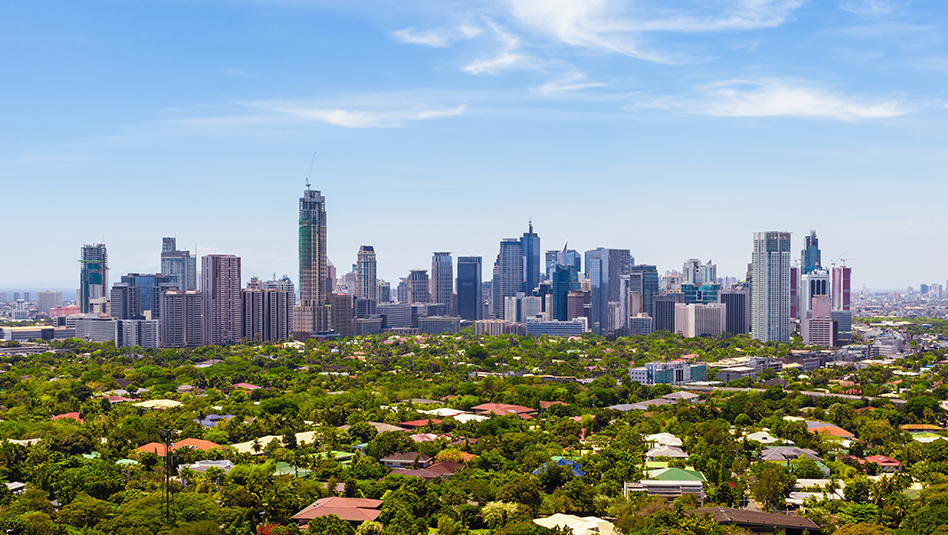
2024 Mid-Year Economi Briefing, economic growth in the Philippines
2024 Mid-Year Economic Briefing: Navigating the Easing Cycle
June 21, 2024
Investing with Love
Investing with Love: A Mother’s Guide to Putting Money to Work
May 15, 2024
retirement-ss-3
Investor Series: An Introduction to Estate Planning
September 1, 2023
View All Webinars
DOWNLOADS
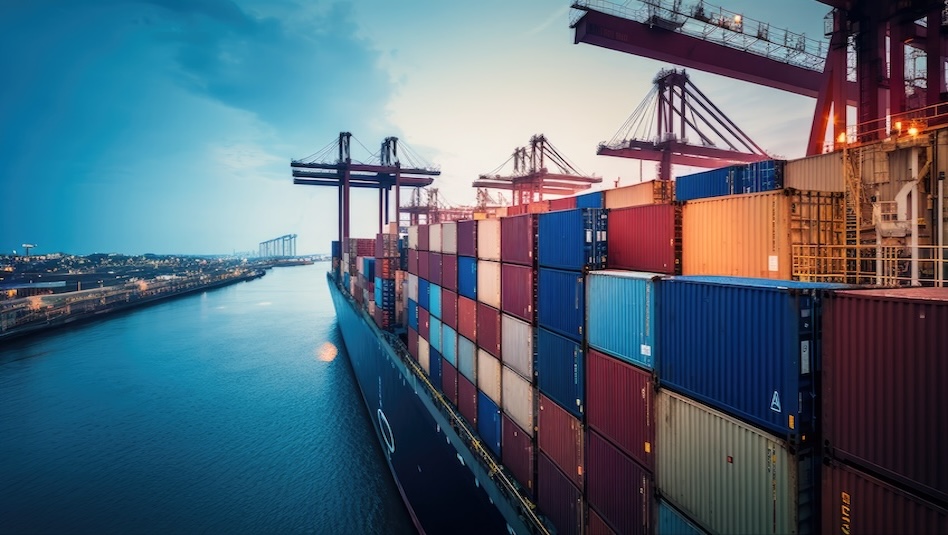
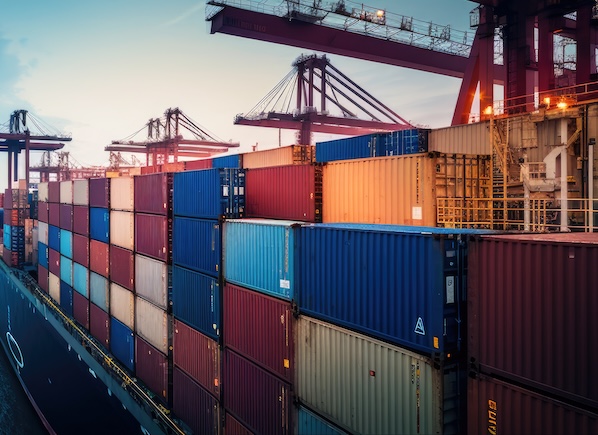
Container ship carrying container boxes import export dock with quay crane. Business commercial trade global cargo freight shipping logistic and transportation worldwide oversea concept. Generative AI
Economic Updates
Philippines Trade Update: Wider deficit on strong imports
DOWNLOAD
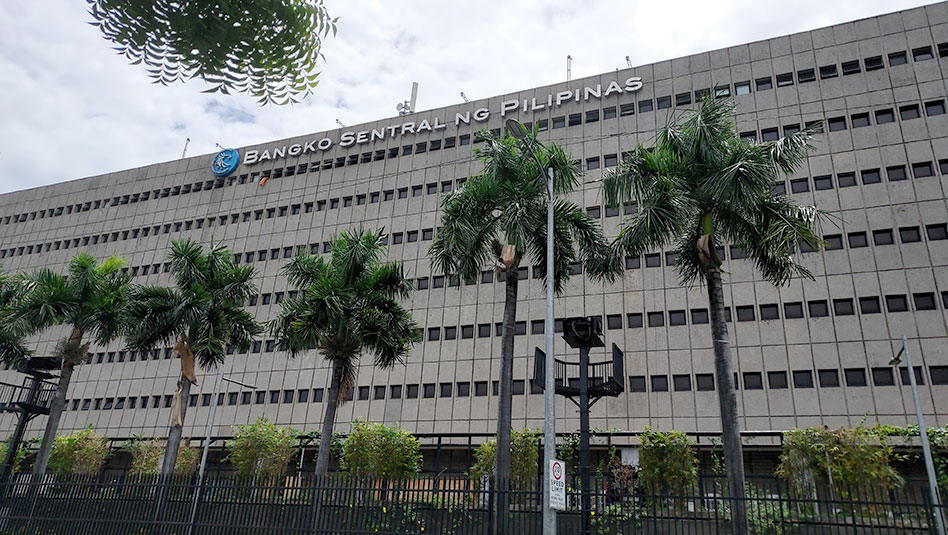
Frick collection with palm trees 
Economic Updates
Policy Rate Updates: Policy rate updates to reassure 
DOWNLOAD
Man using his smartphone
Reports
Fed to cut just once 
DOWNLOAD
View all Reports
Metrobank.com.ph How To Sign Up
Follow us on our platforms.

How may we help you?

TOP SEARCHES
  • Where to put my investments
  • Reports about the pandemic and economy
  • Metrobank
  • Webinars
  • Economy
TRENDING ARTICLES
  • Investing for Beginners: Following your PATH
  • On government debt thresholds: How much is too much?
  • Philippines Stock Market Outlook for 2022
  • Deficit spending remains unabated

Login

Access Exclusive Content
Login to Wealth Manager
Visit us at metrobank.com.ph How To Sign Up
Access Exclusive Content Login to Wealth Manager
Search
MODEL PORTFOLIO THE GIST
NEWS AND FEATURES
Global Philippines Fine Living
INSIGHTS
INVESTMENT STRATEGY
Economy Stocks Bonds Currencies
THE BASICS
Investment Tips Explainers Retirement
WEBINARS
2024 Mid-Year Economi Briefing, economic growth in the Philippines
2024 Mid-Year Economic Briefing: Navigating the Easing Cycle
June 21, 2024
Investing with Love
Investing with Love: A Mother’s Guide to Putting Money to Work
May 15, 2024
retirement-ss-3
Investor Series: An Introduction to Estate Planning
September 1, 2023
View All Webinars
DOWNLOADS
Container ship carrying container boxes import export dock with quay crane. Business commercial trade global cargo freight shipping logistic and transportation worldwide oversea concept. Generative AI
Economic Updates
Philippines Trade Update: Wider deficit on strong imports
March 27, 2026 DOWNLOAD
Frick collection with palm trees 
Economic Updates
Policy Rate Updates: Policy rate updates to reassure 
March 26, 2026 DOWNLOAD
Man using his smartphone
Reports
Fed to cut just once 
March 19, 2026 DOWNLOAD
View all Reports

Archives: Business World Article

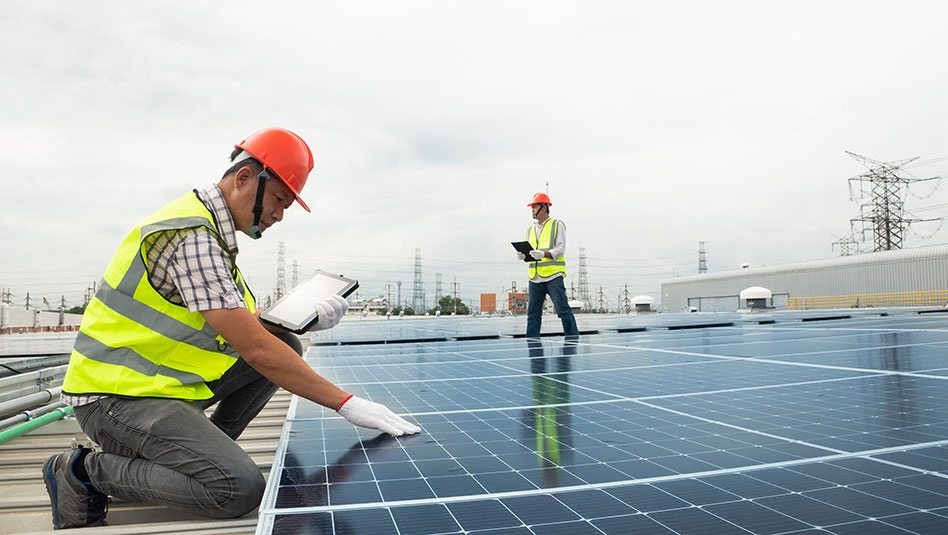
Philippines is second-most attractive emerging market for renewables

Philippines is second-most attractive emerging market for renewables

The Philippines ranked as the second-most attractive emerging market for renewable energy (RE) investment, according to the 2024 Climatescope report by BloombergNEF.

The Philippines climbed two spots to second spot out of 110 emerging markets in the 13th annual edition of the Climatescope report.

It received an overall score of 2.65 out of 5, based on three parameters: fundamentals, opportunities, and experience.

“The Philippines has been on a growth path since 2021, and for the first time has entered second place in the ranking, knocking mainland China down a slot,” according to the report by BloombergNEF, which is a strategic research provider covering global commodity markets.

This was the country’s highest ranking after placing fourth in 2023, 10th in 2022, and 20th place in 2021.

“The government has established a target of 35% renewable energy in power generation by 2030, and the Philippines stands out as the only emerging market in the Asia-Pacific region (APAC) to have all of the renewable energy policies surveyed by Climatescope — auctions, net-metering schemes, tax incentives and a clean energy target — in force,” BloombergNEF said.

India emerged as the most attractive emerging economy for the second year in a row with a score of 2.73 due to its “bold renewable energy target” and its ongoing efforts to achieve the goal.

The Philippines was ahead of China (2.61), Kenya (2.59) Romania (2.57), Brazil (2.54), Chile (2.51), Nigeria (2.51), Namibia (2.51), and Guatemala (2.50).

Investor interest in the Philippines’ renewable energy sector received a boost after the government allowed full foreign ownership in the sector starting November 2022.

Foreign nationals and foreign-owned entities are now allowed to explore, develop and use RE resources such as solar, wind, biomass, ocean or tidal energy in the Philippines. Foreign ownership of RE projects was previously limited to 40%.

According to the Climatescope report, the Philippines had a score of 3.83 on fundamentals, the highest among emerging markets. This measures the foundational mechanisms for renewable energy development in a market, including its clean energy policies, operating rules and incentives, and batteries to the deployment of investment.

In terms of opportunities, the Philippines ranked 8th with a score of 2.11. This parameter focuses on identifiable traits that mark a market’s attractiveness to investors.

Over the past five years, the Philippines has attracted $5.2 billion in RE investments, but only 7% of the total came from foreign investment, according to the report.

With the power demand increasing and the Philippine market still heavily reliant on fossil fuels, there is still a need to grow its renewable energy capacity, BloombergNEF said.

According to BloombergNEF, peak demand rose 63% from 2014 to 2023, reaching 19.2 gigawatt-peak in 2023.

The Department of Energy (DoE) said that the ranking reflects “the growing confidence of the global community in our country’s commitment to clean energy transition and sustainable growth.”

“This recognition inspires the DoE to further intensify its efforts in achieving our renewable energy goals, ensuring that our nation remains a global beacon of progress in the energy transition,” the department said in a statement on Monday.

While most of the RE investments are from domestic investors, the DoE said it is looking forward to realizing the potential of increased foreign participation as it allowed full foreign ownership in renewable energy projects.

“The journey, however, is far from over. With the peak demand growth assumptions of around 5.3% annually from 2024 to 2028, the need to further accelerate renewable energy development is still crucial to address the energy needs of the country’s expanding economy,” the agency said.

Asked to comment, Michael L. Ricafort, chief economist at Rizal Commercial Banking Corp., said that there are opportunities for RE investors in the Philippines.

“RE, especially solar and wind, also suitable for an archipelago such as the Philippines, especially off grid areas,” he said in a Viber message. “This is manifested by the fact that REs are the biggest foreign investments in recent years.”

As of November, the Board of Investments has approved a total of P1.5 trillion in investment pledges, of which P1.35 trillion are primarily in the renewable energy sector.

As of end October, a total of 17,248.53 megawatts (MW) of committed power projects and an additional 1,870 MW are expected to be operational from 2024 to 2030, including those with commercial operation dates that are yet to be determined by the power generators. – Sheldeen Joy Talavera, Reporter

Treasury bill rates rise as market eyes BSP move

Treasury bill rates rise as market eyes BSP move

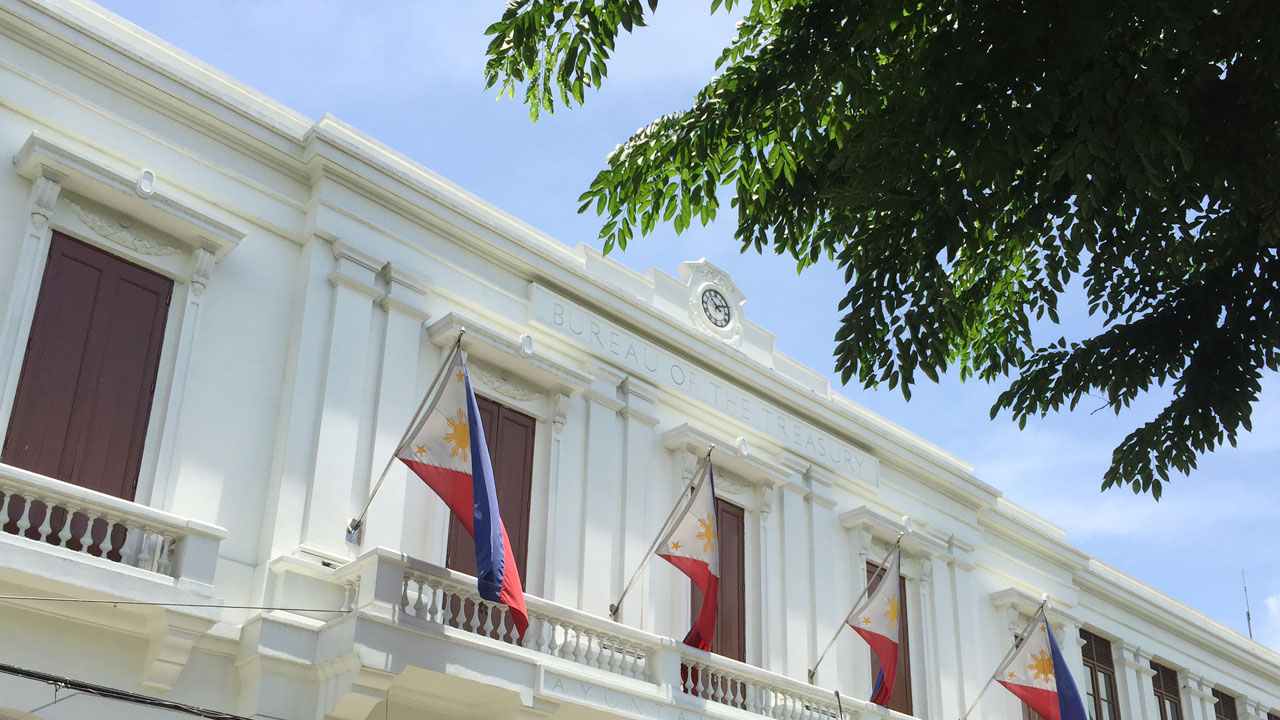
The government made a full award of the Treasury bills (T-bills) it offered on Monday even as rates rose across all tenors on expectations that the Bangko Sentral ng Pilipinas (BSP) could pause its easing cycle this month after headline inflation picked up slightly in November.

The Bureau of the Treasury (BTr) raised P15 billion as planned from the T-bills it auctioned off on Monday as total bids reached PHP 56.463 billion, almost four times as much as the amount on offer. However, this was slightly lower than PHP 57.8 billion in tenders seen the previous week.

Broken down, the Treasury borrowed the programmed PHP 5 billion from the 91-day T-bills as tenders for the tenor reached P13.973 billion. The three-month paper was quoted at an average rate of 5.774%, up by 14.4 basis points (bps) from the 5.63% seen last week, with accepted bids yields ranging from 5.629% to 5.82%.

The government likewise made a full PHP 5-billion award of the 182-day securities, with bids reaching PHP 16.38 billion. The average rate of the six-month T-bill stood at 5.922%, up by 1.7 bps from the 5.905% fetched last week, with accepted rates at 5.875% to 5.94%.

Lastly, the Treasury raised PHP 5 billion as planned via the 364-day debt papers as demand for the tenor totaled PHP 26.11 billion. The average rate of the one-year debt increased by 3.1 bps to 5.968% from the 5.937% quoted last week, with the tenders accepted having rates ranging from 5.938% to 5.988%.

At the secondary market before the auction, the 91-, 182-, and 364-day T-bills were quoted at 5.6955%, 5.9724%, and 6.0804%, respectively, based on PHP Bloomberg Valuation Service (BVAL) Reference Rates data provided by the Treasury.

“The higher awarded T-bill rates today reflected increased investor preference for higher short-term returns and growing expectations that the BSP might hold its policy rates steady in the Monetary Board meeting next week,” a trader said in an e-mail on Monday.

“The Treasury bill average auction yields mostly went up for the 10th straight week after the latest pickup in the local headline inflation,” Rizal Commercial Banking Corp. Chief Economist Michael L. Ricafort said in a Viber message.

Mr. Ricafort added that the BTr made a full award of its offer as demand remained strong and as T-bill yields were mostly lower compared to BVAL rates despite the week-on-week increase.

Philippine headline inflation quickened to 2.5% in November from 2.3% in October as typhoons caused higher prices of vegetables, meat and fish, the government reported last week.

Still, this was slower than the 4.1% print in the same month a year ago and was within the central bank’s 2.2%-3% forecast for the month. The November print also matched the median forecast yielded in a BusinessWorld poll of 15 analysts.

For the first 11 months, headline inflation averaged 3.2%, a tad faster than the BSP’s 3.1% full-year baseline forecast but well within its 2-4% annual goal.

The Monetary Board will hold its last meeting for the year on Dec. 19. BSP Governor Eli M. Remolona, Jr. has said that the BSP could opt to pause its easing cycle or deliver another 25-bp rate cut at this month’s review.

Mr. Remolona said inflationary pressures may prompt them to keep rates steady, while a cut is likely if economic growth remains weak.

The BSP has cut benchmark borrowing costs by a total of 50 bps since kicking off its easing cycle in August, bringing its policy rate to 6%.

On Tuesday, the BTr will offer PHP 15 billion in reissued 10-year Treasury bonds (T-bonds) with a remaining life of nine years and one month.

The Treasury is looking to raise PHP 90 billion from the domestic market this month, or PHP 60 billion via T-bills and PHP 30 billion through T-bonds.

The government borrows from local and foreign sources to help fund its budget deficit, which is capped at PHP 1.52 trillion or 5.7% of gross domestic product this year. — Aaron Michael C. Sy

Dollar reserves slip 2% at end-Nov.

Dollar reserves slip 2% at end-Nov.

The Philippines’ gross international reserves (GIR) dipped at the end of November as the government settled some of its foreign currency-denominated debt, data from the Bangko Sentral ng Pilipinas (BSP) showed.

Preliminary data showed dollar reserves slipped by 2.4% to USD 108.5 billion at the end of November from USD 111.1 billion at the end of October.

Year on year, gross international reserves rose by 5.6% from USD 102.7 billion.

“The month-on-month decrease in the GIR level reflected mainly the National Government’s (NG) net foreign currency withdrawals from its deposits with the BSP to settle its foreign currency debt obligations and pay for its various expenditures,” the central bank said.

The level of dollar reserves was enough to cover about 4.3 times the country’s short-term external debt based on residual maturity.

The GIR as of end-November was also equivalent to 7.8 months’ worth of imports of goods and payments of services and primary income.

“By convention, GIR is viewed to be adequate if it can finance at least three months’ worth of the country’s imports of goods and payments of services and primary income,” the BSP said.

Ample foreign exchange buffers protect an economy from market volatility and ensure that a country can pay its debts in the event of an economic downturn.

Net foreign currency deposits dropped by 18% to USD 1.75 billion at end-November from USD 2.14 billion a month ago. It likewise fell by 8.1% from USD 1.91 billion a year ago.

The central bank also attributed the decline in dollar reserves to its “net foreign exchange operations and downward valuation adjustments in the BSP’s gold holdings due to the decrease in the price of gold in the international market.”

Reserves in the form of gold were valued at USD 11.03 billion, down by 2.9% from USD 11.35 billion at end-October. However, it was up by 1.9% from USD 10.82 billion in the same period a year earlier.

November saw gold’s first monthly price drop since June due to a post-US election sell-off driven by Donald J. Trump’s win, Reuters reported.

Spot prices for the precious metal are down 5% since hitting a record high of USD 2,790.15 an ounce on Oct. 31 but are still up 28% so far this year.

BSP data showed foreign investments stood at USD 91.2 billion as of end-November. This was 2% lower than USD 3.1 billion in the previous month but higher by 6.8% from USD 85.4 billion last year.

“Similarly, the net international reserves (NIR) declined by USD 2.6 billion to USD 108.4 billion as of end-November 2024 from the end-October 2024 level of USD x111 billion,” the BSP said.

Net international reserves are the difference between the BSP’s reserve assets or GIR and reserve liabilities, such as short-term foreign debt and credit and loans from the International Monetary Fund (IMF).

The country’s reserve position in the IMF dipped by 2.3% to USD 668.2 million from USD 683.9 million a month earlier. Year on year, it slumped by 15.1% from USD 787.2 million.

Special drawing rights — the amount the country can tap from the IMF — inched up month on month to USD 3.81 billion from USD 3.8 billion.

Rizal Commercial Banking Corp. Chief Economist Michael L. Ricafort said the lower GIR level was due to the net payment of the National Government’s foreign debt maturities and other US-denominated obligations.

He also cited the BSP’s net foreign exchange operations in view of the US dollar-peso volatility during the month.

In November, the peso fell to the P59-per-dollar level twice, hitting the record low on Nov. 21 and 26.

“For the coming months, the country’s GIR could still be supported by the continued growth in the country’s structural inflows from overseas Filipino worker (OFW) remittances, BPO (business process outsourcing) revenues, exports, relatively fast recovery in foreign tourism revenues,” Mr. Ricafort said.

Remittances typically see a boost in December as OFWs send more money for their families amid the holiday season.

Latest data from the BSP showed cash remittances rose by 3.3% to USD 3.01 billion in September. This brought the total to USD 25.23 billion in the January-September period, up by 3% year on year.

The central bank expects remittances to grow by 3% this year.

However, Mr. Ricafort also noted the government’s plan to reduce foreign borrowings to manage foreign exchange risks.

The government’s borrowing plan this year is set at a 75:25 mix, in favor of domestic sources.

For 2025 to 2027, the NG plans to source at least 80% of its borrowing program from domestic sources, and 20% from foreign lenders.

Finance Secretary Ralph G. Recto has said they are aiming to reduce the share of external borrowings in its borrowing program.

The BSP expects the country’s GIR to settle at USD 106 billion by end-2024. – Luisa Maria Jacinta C. Jocson, Reporter

BSP likely to continue easing despite inflation uptick – analysts

BSP likely to continue easing despite inflation uptick – analysts

The Bangko Sentgral ng Pilipinas (BSP) will likely continue its rate-cutting cycle despite the slight uptick in November inflation, analysts said.

However, risks such as the weakening of the peso could prompt the central bank to be more cautious about further easing.

“Overall, the inflationary pressures were not broad-based, and the near-term outlook remains benign. Therefore, we think the BSP will lower its policy rate by 25 basis points (bps) at its next meeting in December,” ANZ Research said.

Headline inflation quickened to 2.5% year on year in November from 2.3% in October, mainly driven by higher food prices due to typhoon damage.

This brought average inflation to 3.2% in the 11-month period, well within the 2-4% target band.

Pantheon Macroeconomics Chief Emerging Asia Economist Miguel Chanco said that it is “all clear” for a third straight rate cut later this month.

“Crucially, the result was also well within the BSP’s forecast range, 2.2% to 3%, which means the bank will almost certainly make another 25-bp cut to the target reverse repo rate later this month, to 5.75%,” he said.

The Monetary Board is set to have its final policy-setting meeting for the year on Dec. 19.

The central bank could opt to pause its easing cycle or deliver another 25-bp rate cut later this month, BSP Governor Eli M. Remolona, Jr. earlier said.

He said inflationary pressures may prompt them to keep rates steady, while a cut is likely if economic growth remains weak.

Since August, the Monetary Board has delivered a total of 50 bps worth of rate cuts, bringing the key rate to 6%.

“The soft inflation print supports our view of a rate cut in the Dec. 19 meeting, on top of the third-quarter 2024 growth which surprised to the downside,” HSBC economist for ASEAN Aris D. Dacanay said.

Mr. Chanco noted the “disappointing” third-quarter gross domestic product (GDP) print, which would make room for more rate reductions.

The Philippine economy grew by a weaker-than-expected 5.2% in the July-to-September period, slower than the 6.4% growth in the second quarter and 6% a year ago.

This was also the weakest growth since the 4.3% expansion in the second quarter of 2023.

“The Board’s rate-cutting cycle is far from over though, despite the apparent global recalibration of policy rate expectations upwards since the US election,” Mr. Chanco said.

“The BSP, in its response to the latest inflation data, affirmed that it will ‘continue to maintain a measured approach in its easing cycle,’ echoing the same language used in October, when it last reduced rates, by 25 bps.”

Inflation is also seen to remain within the 2-4% target band moving forward.

“On balance, inflation should soon stabilize comfortably below the 3% midpoint of the BSP’s target range — barring any shocks — clearing the way for the 100 bps in further easing we expect next year,” Mr. Chanco said.

The BSP expects inflation to settle within the target band from this year until 2026. It projects inflation to average 3.1% this year, 3.2% in 2025 and 3.4% in 2026.

However, the central bank also warned that the balance of risks to the inflation outlook for next year until 2026 has shifted to the upside.

The BSP’s risk-adjusted forecasts see inflation at 3.3% next year and 3.7% in 2026.

“At the same time, the risks to our end-2025 benchmark rate baseline of 4.75% are skewed markedly to the downside, as policy will remain excessively tight in real terms, even after 125 bp in additional cuts,” Mr. Chanco said.

For 2025, ANZ Research expects a total 75 bps worth of cuts to “help bolster domestic demand.”

Mr. Remolona has signaled the possibility of up to 100 bps worth of rate cuts next year.

Peso weakness

Meanwhile, Mr. Dacanay said that the recent peso depreciation could pose a risk to the BSP’s easing cycle.

“The only upside risk to monetary policy is the currency. The USD-PHP (US dollar-Philippine peso) ranged between PHP 58.5 and PHP 59 over the course of November. It was even millimeters away from breaching its historic highs on Nov. 26.”

The peso fell to the all-time low of PHP 59 against the dollar twice during the month — on Nov. 21 and Nov. 26.

“But things got better since then. The PHP has now appreciated to PHP 58.23 against the USD and, according to HSBC FX, further support should come in due to the seasonality of remittances,” he added.

The peso has since strengthened after sinking to the record low last month. The local unit appreciated to PHP 57.735 per dollar on Friday, up by 14.5 centavos from its PHP 57.88 finish on Thursday.

Mr. Dacanay also said the tone of the US Federal Reserve “will be crucial.”

“However, it will be key to monitor the tone of the Fed in the next two weeks. Any shift to a more hawkish rhetoric may introduce volatility in the currency and prompt the BSP to pause its easing cycle,” he added.

Reuters reported US rate futures were pricing in roughly a 90% chance the Fed will lower interest rates by 25 basis points at its Dec. 17-18 policy meeting, according to LSEG calculations which previously saw just a 72% chance.

The Fed has lowered rates by 75 bps since September, when it launched its easing cycle. — Luisa Maria Jacinta C. Jocson

Oct. factory output shrinks for second straight month

Oct. factory output shrinks for second straight month

Manufacturing output contracted to second straight month in October, the Philippine Statistics Authority (PSA) reported on Friday.

Preliminary results in the PSA’s latest Monthly Integrated Survey of Selected Industries (MISSI) showed that the factory output, as measured by the volume of production index (VoPI), fell by 1.8% year on year in October from the 5% decline in September. This was a reversal from the 1.4% growth a year earlier.

On a month-on-month basis, the manufacturing sector’s VoPI increased by 2.8%, a turnaround from the 2.5% contraction in September. Stripping out seasonality factors, output declined by 0.4%, slower compared with the 3.6% contraction last month.

From January to October period, VoPI growth averaged 1.7%, than the 5.4% in the same period last year.

To compare, the Philippines’ manufacturing purchasing managers’ index (PMI) of S&P Global for that month eased to 52.9 from 53.7 in September.

A PMI reading below 50 marks a contraction in the manufacturing sector, while 50 marks an expansion.

Michael L. Ricafort, chief economist at Rizal Commercial Banking Corp., said that that VoPI has a slower decline due to inclement weather, which decreased of the production dates prompted by the suspension of the working days.

“The slower decline (in VoPI) was due to the typhoons (that entered) in the Philippines. There were work disruption in heavily hit areas. They were not able to work because the production and manufacturing facilities were closed,” Mr. Ricafort said in a phone call.

The PSA attributed the slower decline in October’s factory output growth to the annual growth rate of manufacture of beverages industry division at 6.8% from an annual drop of 8%. The beverages industry division account for fifth-largest weight (6.7%) of total manufacturing, after coke and refined petroleum products (7.6%).

Also contributing to the slower annual decline of VoPI in October were the manufacture of wood, bamboo, cane, rattan articles and related products, which rose by 26.4% in October from 24.3% drop in the previous month, and transport equipment (up by 6.7% from 3.2%).

All 22 industry divisions reported capacity utilization rates of above 60% in October.

The top three industry categories for capacity utilization rates were machinery and equipment except electrical (85.9%), other non-metallic mineral products (82.6%), and textiles (82.3%).

Mr. Ricafort said there will be an uptick in in manufacturing sector in November and for the rest of the year due to Christmas season.

“There are a lot of demand in Christmas, since people have income. It is the biggest spending for many people. There get their bonus, and the overseas Filipino workers send money for Christmas spending,” Mr. Ricafort said. — Charles Worren E. Laureta

Canada, Philippines to start exploratory talks on a bilateral FTA

Canada, Philippines to start exploratory talks on a bilateral FTA

Canada and the Philippines will start exploratory talks on a bilateral free trade agreement (FTA) within the first half of 2025, officials said.

Mary Ng, Canada’s minister of export promotion, international trade, and economic development, said that an FTA is not only important for Canadian businesses but also for Filipino businesses.

“The reason it’s important is because businesses always look for predictability. FTAs give us the rules of engagement, and I’m very much looking forward to those negotiations, and we are launching exploratory talks right away,” she said at the Team Canada Trade Mission Plenary Session.

“I believe that the teams are going to get together at the very beginning of the new year. We’re already in December, so the new year is only a month away,” she added.

In a joint statement on Thursday, Canada and the Philippines said that they are aiming to meet for a first round of exploratory discussion in the first half of 2025 for a comprehensive Canada-Philippines FTA.

Asked how long negotiations for bilateral FTAs usually take, Ms. Ng said Canada has just recently concluded the negotiations for a comprehensive economic partnership with Indonesia, which was done in just a little over three years.

She said Canada and the Association of Southeast Asian Nations (ASEAN) have also been working on negotiating an FTA.

“The Philippines is a part of it, so I actually think that there’s some really good work that’s already been done through the Canada-ASEAN table that we can build on, I hope quite quickly and quite easily,” Ms. Ng said.

Ms. Ng also discussed the proposed ASEAN-Canada FTA (ACAFTA) during a meeting with Special Assistant to the President for Investment and Economic Affairs Frederick D. Go and Department of Trade and Industry Secretary Ma. Cristina A. Roque on Wednesday.

Launched in November 2021, the ACAFTA encompasses market access for goods, services, and investments, e-commerce, intellectual property rights, and support for micro-, small-, and medium-sized enterprises.

Canadian Embassy Senior Trade Commissioner Guy Boileau previously said that the ACAFTA negotiations are targeted to be concluded next year.

“Currently, Canada is an important trade partner of the Philippines. Canada currently ranks 20th among the many countries, and we need to pump this up,” Mr. Go said.

“And I am very confident that with your visit to the Philippines, this number will only go up. And I hope that maybe before the end of this administration, we should meet again and you are our 10th trade partner,” he added.

According to Ms. Ng, the Philippines-Canada bilateral trade is currently valued at around USD 5.6 billion — USD 3 billion in merchandise trade and USD 2.6 billion in services.

Trade mission

Ms. Ng is in the Philippines to lead the Team Canada Trade Mission, which comprises 300 individual delegates from 200 Canadian companies and business groups.

“We have a strong delegation of over 300 Canadian participants, and they’re joined by 400 Filipino business leaders, and together they’re looking to forge new relationships and new partnerships,” she said.

Among the deals closed during the trade mission is the investment of Kickstart Ventures in a Canadian artificial intelligence (AI) company called Lydia AI, which seeks to expand insurance accessibility across Southeast Asia.

The Philippine Department of Budget and Management also signed a major contract with Canadian FreeBalance to enhance the department’s financial management systems.

Export Development Canada also opened an office in the Philippines, making it the first foreign export credit agency from a Group of Seven  country to establish a presence in the Philippines.

An administrative agreement under Canada’s Nuclear Cooperation Agreement with the Philippines is also set to be signed late on Thursday.

“This will build on our work in the region through the Trade Gateway for Nuclear Development for the Indo-Pacific that Prime Minister Justin Trudeau recently announced,” Ms. Ng said. “As a Tier 1 nuclear nation, Canada is positioned to support the Philippines’ energy security goals with our expertise across the nuclear supply chain.”

She also said that other companies have also expressed plans to put a center or an office in the Philippines, such as OpenText, Ostrom Climate, and Maple Leaf Foods. – Justine Irish D. Tabile, Reporter

BSP concludes testing for its own digital currency

BSP concludes testing for its own digital currency

The Bangko Sentral ng Pilipinas (BSP) has completed the testing phase for Project Agila, its pilot project for a central bank digital currency (CBDC).

In a statement on Thursday, the BSP said it concluded the testing for Project Aguila, along with other participating financial institutions.

“Wholesale CBDCs are expected to enhance liquidity management, reduce settlement risks, and support financial stability,” BSP Governor Eli M. Remolona, Jr. said.

“Insights from this project will guide the BSP’s CBDC roadmap. Our goal is to leverage new technologies to further enhance the efficiency and resilience of the national payment system,” he added.

The project aims to “allow financial institutions to transfer funds to each other even during off-business hours, including evenings, weekends, and holidays.”

“These transactions can safely be supported by open-source distributed ledger technology through the Oracle Cloud Infrastructure.”

The BSP earlier said that the project will likely be launched by 2029, still within the six-year term of Mr. Remolona.

Since 2021, the central bank has been reviewing use cases for wholesale CBDCs.

“Project Agila is a proof-of-concept of the BSP’s CBDC at the wholesale level. The evaluation with financial institutions covered functional, performance, security, exploratory, end-to-end and programmability testing,” the central bank said.

The project also seeks to “explore and test the potential of CBDCs, while evaluating if this technology can help improve the country’s large-value payment system.”

The BSP earlier said it is open to studying retail CBDCs but does not see the need for it just yet.

CBDCs are a form of digital money denominated in the national unit of account and are direct liabilities of the central bank.

Wholesale CBDCs may be issued to commercial banks and other financial institutions to settle interbank payments, securities transactions, and cross-border payments, among others. — Luisa Maria Jacinta C. Jocson

SMC Tollways lists PHP 35-B fixed-rate bonds

SMC Tollways lists PHP 35-B fixed-rate bonds

SMC Tollways Corp. (SMCTC) listed its PHP 35-billion fixed-rate bond issuance at the Philippine Dealing & Exchange (PDEx) on Thursday as part of the company’s funding initiatives.

The bond offer consisted of P30 billion with an oversubscription option of PHP 5 billion, SMCTC said in an e-mailed statement.

It was given a “PRS Aaa” with a stable outlook credit rating by the Philippine Rating Services Corp.

Proceeds from the bond issuance will be earmarked to refinance existing debt and support the Skyway System’s expansion, which consists of Skyway Stage 1, Skyway Stage 2, Skyway Stage 3, and the Skyway Extension.

SMCTC is a subsidiary of San Miguel Corp.’s (SMC) infrastructure unit, which also operates the South Luzon Expressway, Southern Tagalog Arterial Road, Tarlac-Pangasinan-La Union Expressway, and the NAIA Expressway.

For the first nine months, SMC saw a 19% increase in net income to PHP 37.1 billion as revenue increased by 11% to PHP 1.2 trillion, led by higher sales volumes in its power, fuel & oil, food, and spirits businesses.

SMC shares were unchanged at P88 apiece on Thursday. — Revin Mikhael D. Ochave

BoI-approved investments hit PHP 1.58T

BoI-approved investments hit PHP 1.58T

The Board of Investments (BoI) has approved a total of PHP 1.58 trillion in investment pledges as of November, putting it on track to hit its PHP 1.6-trillion target for the year.

In a statement on Wednesday, the Department of Trade and Industry (DTI) said the total investments approved in the first 11 months represent 98.7% of its full-year target.

Year on year, BoI-approved investment pledges rose 43.6% from PHP 1.1 trillion.

The approved investments are primarily in the renewable energy (RE) sector, accounting for PHP 1.35 trillion. This was a 48% increase from a year ago.

The government saw an increase in RE projects after it allowed full foreign ownership in the sector, which was previously capped at 40%.

Other top-performing sectors are air and water transport, which attracted PHP 121.2 billion in investments; real estate with PHP 34.67 billion; manufacturing with PHP 30.4 billion; and water supply, sewerage, waste management, and remediation with PHP 16.28 billion.

Around PHP 10.5 billion of the investment pledges are in the agriculture, forestry, and fishing projects; PHP 8.25 billion for wholesale and retail projects; and PHP 7.26 billion for the information technology and business process management sector.

Of the total, PHP 1.2 trillion came from local investors, while PHP 379.31 billion came from foreign investors.

The top international sources were Switzerland, the Netherlands, Japan, South Korea, Singapore, Thailand, and the United States.

“This growth is fueled by a significant 254% increase in local investments, with Filipino companies contributing PHP 1.06 trillion,” the DTI said.

“The Calabarzon Region is the leading recipient, with PHP 623.19 billion in investments, followed by Central Luzon with PHP 277.08 billion and Western Visayas with PHP 245.95 billion,” it added.

Secretary Frederick D. Go said that the robust investments in key sectors reflect the steady progress in realizing the country’s national priorities.

“This growth is driven by the government’s steadfast implementation of investor-friendly policies — such as the Corporate Recovery and Tax Incentives for Enterprises to Maximize Opportunities for Reinvigorating the Economy (CREATE MORE) Act,” said Mr. Go.

Last month, President Ferdinand R. Marcos, Jr. signed into law the CREATE MORE Act, which further reduces the corporate income tax to 20% from 25% for registered business enterprises.

Mr. Go, who heads the Office of the Special Assistant to the President for Investment and Economic Affairs, said that the law enhances the country’s competitiveness in attracting local and foreign investments.

“These efforts are vital in sustaining our country’s strong economic growth and ensuring that the Philippines remains a prime investment destination,” he added.

Meanwhile, Trade Secretary Ma. Cristina A. Roque attributed the investment growth to investors’ confidence in the Philippines.

“These figures underscore our commitment to sustained economic growth that transforms the Philippine economy. We are focused on creating a virtuous cycle of growth by empowering the private sector through market-based tools,” she said.

“This underpins the Philippines’ continuously improving investment climate, sending clear signals that we are ‘Making It Happen in the Philippines,’” she added. — Justine Irish D. Tabile

Philippines worsens in anti-money laundering index

Philippines worsens in anti-money laundering index

The Philippines’ score in a global anti-money laundering index worsened as its ranking declined to the 49th place out of 164 countries.

This, as President Ferdinand R. Marcos, Jr. on Wednesday cited the Philippines’ “progress toward exiting” the Financial Action Task Force’s (FATF) “gray list.”

“This is a very, very important item,” Mr. Marcos said in a speech at the 33rd regular meeting of the Anti-Terrorism Council, based on a transcript from his office.

Philippines worsens in the Anti-Money Laundering Index

“I know that it’s not spoken about a great deal in the public domain but nonetheless, as an obstacle to the continuing transformation of our economy, to the continuing transformation of our place in the world, this, us exiting from the gray list is a significant move,” he added.

The Philippines is targeting to exit by February the FATF’s gray list of jurisdictions under increased monitoring for “dirty money” risks. It has been on the gray list for over three years or since June 2021.

In the latest edition of the Basel Anti-Money Laundering (AML) Index published by the Basel Institute on Governance, the Philippines ranked 49th with an overall score of 5.84 (out of 10). It was worse than its previous rank of 53rd out of 152 jurisdictions, with an overall score of 5.64.

The index ranks a jurisdiction based on its risks of money laundering and terrorist financing and its capacity to counter them. It uses a 0-10 system, where a score of 10 indicates the highest risk level.

Myanmar topped the Basel AML index with a score of 8.17, followed by Haiti, Democratic Republic of the Congo, Chad and Venezuela.

The Philippines’ score was higher than the global average of 5.30.

“Issues of financial transparency are this region’s main weak spot, with more than half of jurisdictions having a high risk score in the Financial Secrecy Index,” the report said.

In the East Asia and the Pacific region, Myanmar had the highest score, followed by Lao PDR (6th), China (11th), Vietnam (15th), Cambodia (21st), Solomon Islands (35th) and Thailand (39th).

East Asia and the Pacific’s weakest area is financial transparency and standards, it added.

It cited low effectiveness scores for beneficial ownership transparency; the investigation, prosecution and sanctioning of money laundering offenses; and the prevention of proliferation of weapons of mass destruction.

“Almost half of the jurisdictions receive high risk scores for fraud and financial crimes,” it added.

Meanwhile, the countries that scored the lowest risk were San Marino (2.96), Iceland (3.00), Finland (3.07), Estonia (3.16) and Andorra (3.29).

Analysts said that the Philippines still has much to do to address in strengthening its money laundering/terrorist financing systems.

“It is indeed ironic that despite all the talk about the Philippines exiting the gray list, the world’s perception is that money laundering and the related issues in governance have worsened,” Filomeno S. Sta. Ana III, a coordinator of Action for Economic Reforms, said.

At its October plenary, the FATF kept the country in its list of jurisdictions under increased monitoring for dirty money risks.

However, the FATF said it initially determined that the Philippines has “substantially completed” the recommended action items to improve its anti-money laundering and counter financing of terrorism regime.

“Philippine officials and their apologists think that putting in place the technical standards would be enough for us to be taken off from the gray list. But what matters is the substantial compliance of rules,” Mr. Sta Ana said.

Chester B. Cabalza, founding president of Manila-based International Development and Security Cooperation said the country must “show consistency and transparency” in its goal of exiting the gray list.

“We have legal instruments to support and strengthen our institutions. The Philippines must stringently enforce it and prosecute violators to become more compliant,” he added.

Antonio A. Ligon, a law and business professor at De La Salle University in Manila, said: “The country needs to strictly enforce the anti-money laundering laws. Make sure to have strong monitoring measures.”

The FATF is set to conduct an onsite assessment in the Philippines to verify the progress of its action plan and implementation of reforms, which will likely take place early next year.

However, the Basel report also noted that exiting the gray list is just one step in a country’s anti-money laundering journey.

“Being delisted is naturally a cause for celebration and hope, but it’s not the end of the story. FATF standards continue to evolve and to strengthen, so jurisdictions need to constantly improve in order to keep up.”

“Avoiding or graduating from the gray list is one step along a never-ending journey to a resilient system that successfully wards of money laundering and related threats while not limiting financial inclusion and innovation,” it added. – Luisa Maria Jacinta C. Jocson, Reporter

Posts navigation

Older posts
Newer posts

Recent Posts

  • Navigating precarious times with cost averaging
  • Trade Update: Wider trade deficit in February
  • Metrobank US-Iran Risk Index: No swift end seen
  • Investment Ideas: March 27, 2026
  • BSP Update: First rate hike likely in June 

Recent Comments

No comments to show.

Archives

  • March 2026
  • February 2026
  • January 2026
  • December 2025
  • November 2025
  • October 2025
  • September 2025
  • August 2025
  • July 2025
  • June 2025
  • May 2025
  • April 2025
  • March 2025
  • February 2025
  • January 2025
  • December 2024
  • November 2024
  • October 2024
  • September 2024
  • August 2024
  • July 2024
  • June 2024
  • May 2024
  • April 2024
  • March 2024
  • February 2024
  • January 2024
  • December 2023
  • November 2023
  • October 2023
  • September 2023
  • August 2023
  • July 2023
  • June 2023
  • May 2023
  • April 2023
  • March 2023
  • February 2023
  • January 2023
  • December 2022
  • November 2022
  • October 2022
  • September 2022
  • August 2022
  • July 2022
  • June 2022
  • May 2022
  • March 2022
  • December 2021
  • October 2021

Categories

  • Bonds
  • BusinessWorld
  • Currencies
  • Economy
  • Equities
  • Estate Planning
  • Explainer
  • Featured Insight
  • Fine Living
  • How To
  • Investment Tips
  • Markets
  • Portfolio Picks
  • Rates & Bonds
  • Retirement
  • Reuters
  • Spotlight
  • Stocks
  • Uncategorized

You are leaving Metrobank Wealth Insights

Please be aware that the external site policies may differ from our website Terms And Conditions and Privacy Policy. The next site will be opened in a new browser window or tab.

Cancel Proceed
Get in Touch

For inquiries, please call our Metrobank Contact Center at (02) 88-700-700 (domestic toll-free 1-800-1888-5775) or send an e-mail to customercare@metrobank.com.ph

Metrobank is regulated by the Bangko Sentral ng Pilipinas
Website: https://www.bsp.gov.ph

Quick Links
The Gist Webinars Wealth Manager Explainers
Markets
Currencies Rates & Bonds Equities Economy
Wealth
Investment Tips Fine Living Retirement
Portfolio Picks
Bonds Stocks
Others
Contact Us Privacy Notice Terms of Use
© 2026 Metrobank. All rights reserved.

Access this content:

If you are an existing investor, log in first to your Metrobank Wealth Manager account. ​

If you wish to start your wealth journey with us, click the “How To Sign Up” button. ​

Login HOW TO SIGN UP