Is the Philippine inflation story over?


The recent escalation in the Middle East has renewed concerns about global energy markets. While oil prices remain the immediate focus, investors may be overlooking a more important risk: the gradual depletion of supply and inventory buffers that have helped contain inflation so far.
The recent escalation comes at a time when the global oil market has fewer safeguards than it did at the start of the conflict.
In the past few months, markets were able to absorb supply disruptions because several buffers remained available. Producers still had spare capacity, countries could draw from existing inventories, and major importers such as China reduced purchases and relied heavily on stockpiles.
Those cushions may now be becoming less reliable.
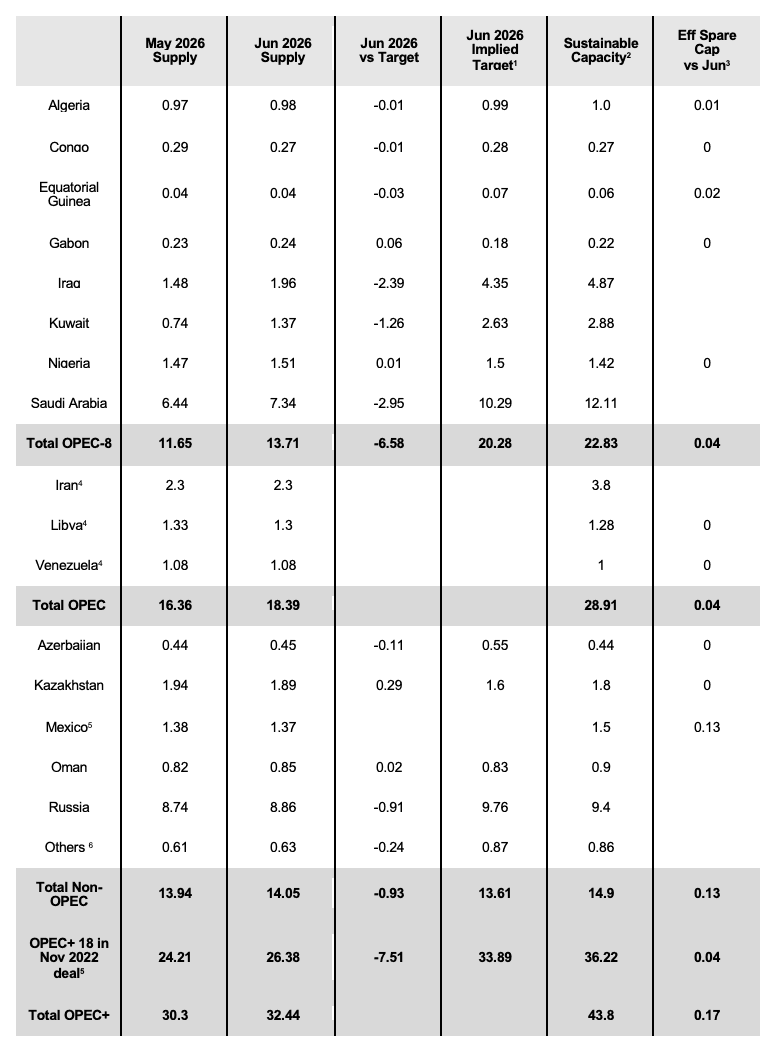
Although OPEC+ has announced additional production increases, actual output has continued to lag behind stated targets in several countries. Renewed geopolitical tensions could also make it harder for producers to restore supply smoothly. The issue is not a lack of oil resources, but that bringing additional barrels to market may take longer than expected.

Notes: 1. Includes extra voluntary curbs and revised, additional compensation cutback volumes. 2. Capacity levels can be reached within 90 days and sustained for an extended period. 3. Excludes shut in Iranian, Russian crude. 4. Iran, Libya, Venezuela exempt from cuts. 5. Mexico excluded from OPEC+ compliance. 6. Bahrain, Brunei, Malaysia, Sudan and South Sudan. Source: International Energy Agency
Related article: The domino effect: Unintended consequences of the Middle East conflict | Metrobank Wealth Insights
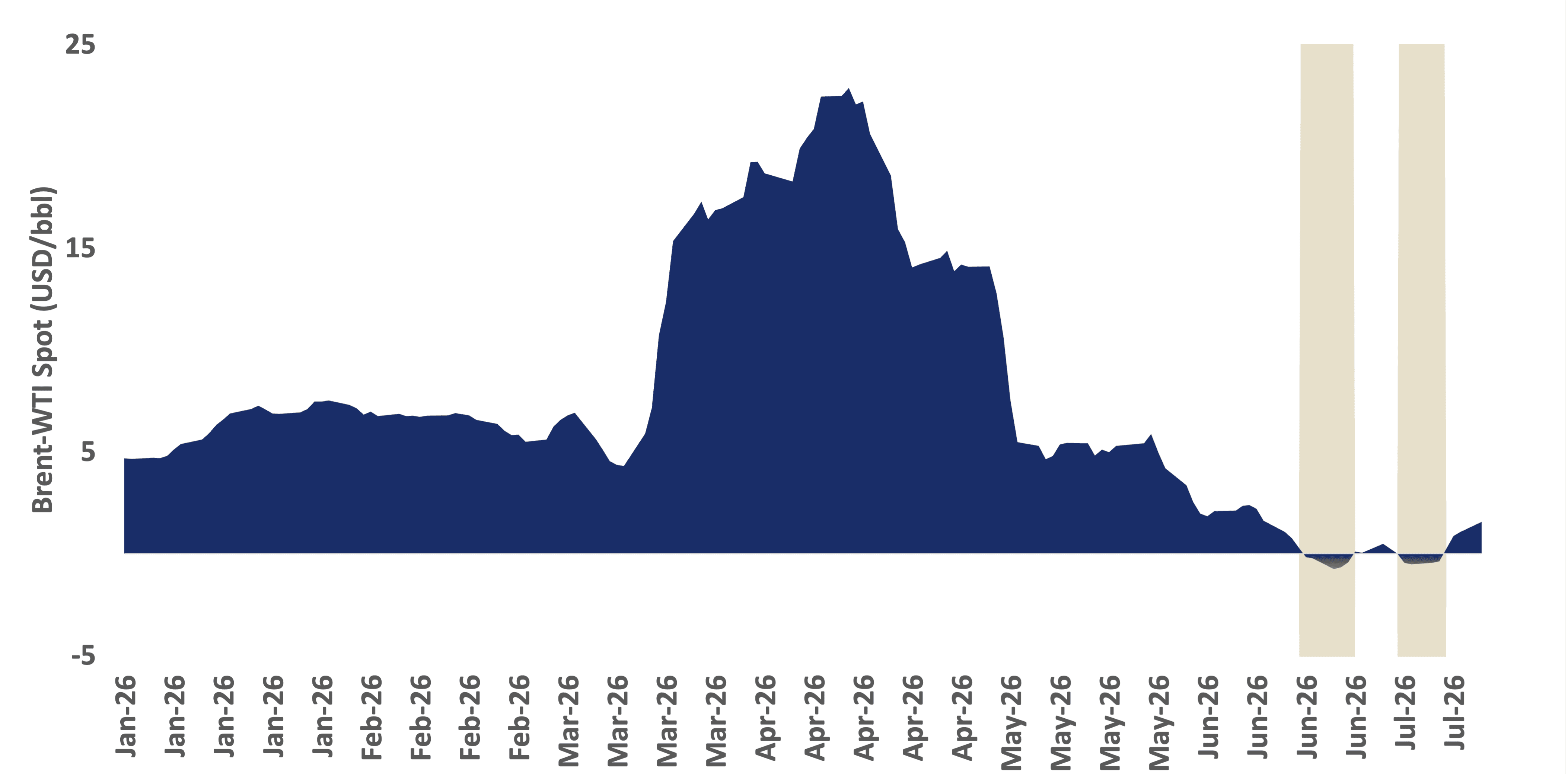
At the same time, inventories that helped stabilize prices are being gradually depleted. Oil stocks at a major US storage hub recently fell close to near tank bottoms or operational minimum levels, suggesting that available supply buffers have become considerably thinner. This implies that even the world's largest oil producer may have less flexibility to absorb prolonged disruptions than many investors assume.

US nears tank bottom as the five-day rolling average Brent-WTI spot differential dropped below 0 per barrel. Sources: US Energy Information Administration, Metrobank Research
Demand dynamics could further tighten the market. China significantly reduced imports and drew from inventories during the early stages of the conflict. However, those stockpiles will eventually need replenishing. If the world's largest crude importer returns to the market more aggressively while supply remains constrained, the balance between supply and demand could tighten considerably.
Adding to these concerns, several countries such as Russia, Kyrgyzstan, Kazakhstan, and India, have begun taking steps to prioritize domestic fuel availability. While these measures help stabilize local markets, they can also reduce the amount of fuel available internationally, further tightening conditions if disruptions persist.
The Philippines remains vulnerable to prolonged energy disruptions through several channels.
Transportation. As a net importer of oil, the country is sensitive to higher crude prices. The Philippines also imports much of its refined fuel, exposing consumers not only to crude oil prices but also to fluctuations in refining margins. Sustained increases in global energy costs typically translate into higher local pump prices and transportation expenses.
Related article: Why oil prices may ease—but normalize more slowly than expected | Metrobank Wealth Insights
Electricity. Higher fuel prices can eventually affect power generation costs. This occurs at a time when the domestic energy supply remains tight, due to the temporary shutdown of portions of the Malampaya gas facility and elevated power demand associated with El Niño conditions.
Agriculture. Farming relies heavily on fuel for machinery, irrigation, harvesting, and transportation. Fertilizer production is also energy-intensive. Rising fuel and fertilizer costs can raise agricultural production costs and put additional pressure on food prices. These challenges may be compounded by weather-related risks and competition from imported products.
Related article: More than oil: The US-Iran conflict’s cost for the Philippines | Metrobank Wealth Insights
Together, higher transportation, electricity, and agricultural costs can contribute to broader inflationary pressures, particularly in food and household costs.
The effects extend beyond the energy sector. Higher inflation could influence interest rate expectations and bond yields, while rising household expenses may weigh on consumer spending.
The impact is unlikely to be uniform across industries. Energy-related businesses may benefit from higher prices, while fuel-intensive sectors, such as airlines, logistics, and some manufacturers, could face margin pressure.
The key point is that a prolonged conflict can affect asset prices even without an extreme surge in oil prices.
Investors may want to monitor developments in the Strait of Hormuz, OPEC+ production trends, Chinese crude imports, and global oil inventories. These indicators may offer a clearer picture of underlying market conditions than daily price movements alone.
The latest escalation serves as a reminder that the conflict remains unresolved. While oil prices will continue to attract attention, the more important story may be the gradual erosion of supply and inventory buffers. For the Philippines, the consequences could eventually manifest as higher fuel and electricity costs, more expensive agricultural inputs, firmer inflation, and shifting market expectations.
ANNA DOMINIQUE CUDIA, MBA, CSS, oversees Metrobank’s Macro Research Department, steering macroeconomic and financial market analyses for clients. She previously led the Markets Research Department of Metrobank’s Trust Banking Group and was part of Investor Relations, supporting multi-billion peso and US dollar capital-raising initiatives. She holds an MBA in Finance, with distinction, from the University of London, and industry certifications in finance. Outside of work, she enjoys travel and exploring new perspectives.