A place to escape to when city life becomes overwhelming is something any urban resident with the means aspires to.
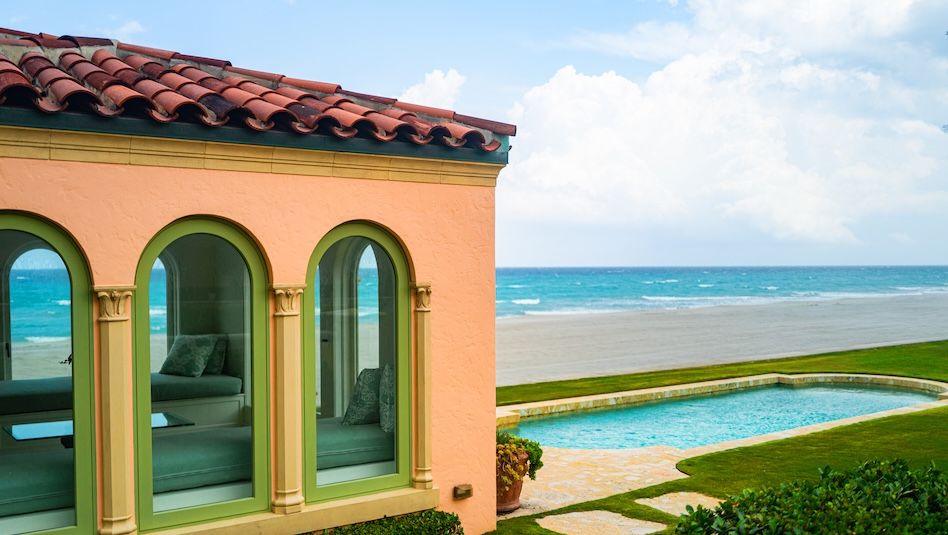
It could be a quiet house tucked into the mountains, a countryside property surrounded by greenery, or a beach house where the sunrise emerges with the lullaby of the sea. Whatever the setting, owning a vacation home offers an opportunity to enjoy a change of pace in what most would call a place entirely their own.
Buying a rest house, however, is a little bit more complex and stressful than finding a location with beautiful views or a property that catches your eye. Prospective buyers must consider, among other things, how the home will be used, how much it will cost to maintain, and whether its location and condition suit their long-term plans.
Whether intended for weekend getaways, family gatherings, retirement, or rental income, a vacation property undoubtedly requires discernment before a purchase.
What for, and where
The first step is determining the property’s primary purpose. Buyers who intend to use it as a private vacation home may prioritize comfort and recreational amenities. Those planning to retire in the countryside may prefer a more peaceful neighborhood with convenient access to healthcare facilities and essential establishments. Meanwhile, buyers seeking rental income should assess the property’s appeal to tourists and its potential for year-round occupancy.
Location is also another important consideration. A mountain retreat, countryside residence, and beachfront property each offer different experiences, so potential rest house buyers may want to consider which environment best matches their lifestyle.
Travel time from their primary residence also matters, particularly for those who intend to visit frequently. Buyers should also consider access roads, public transportation, and proximity to hospitals, grocery stores, pharmacies, and restaurants.
What to consider
After identifying a suitable location, buyers should assess the full cost of ownership. The asking price is only one part of the financial commitment. Other expenses may include transfer taxes, legal fees, registration costs, property insurance, utility bills, association dues, and regular maintenance.
Owners who intend to rent out their properties should also account for management fees, cleaning services, repairs, and applicable taxes on rental income. Even when unoccupied, a vacation home may require spending on security, landscaping, electricity, and water. Setting aside an emergency fund for unexpected repairs can help keep these expenses manageable.
What to inspect
A property’s appearance should also be supported by sound construction and reliable facilities. Before splurging on a new house, buyers should inspect the roof, walls, flooring, plumbing, electrical systems, drainage, and water supply. Signs of leaks, mold, pest infestation, and previous flooding deserve attention.
Alongside the physical inspection, buyers should verify ownership and legal documents. Buyers should check the property’s title through the Registry of Deeds, confirm the seller is the registered owner, and determine whether any liens, mortgages, or adverse claims exist. Buyers should also review tax declarations, real property tax receipts, building permits, and property boundaries.
Maintenance and future use
Another consideration is how the property will be maintained when the owner is away. Depending on its location and size, a vacation home may require a caretaker, security personnel, cleaning staff, or property management company.
Buyers should also check whether reliable service providers are available nearby and include their fees in the ownership budget.
Finally, prospective rest house owners should consider the property’s long-term value. Infrastructure developments, improved road networks, tourism activity, and demand for vacation homes may influence its future resale and rental potential.
Buyers should also consider whether the property can accommodate changing needs, particularly if a weekend retreat eventually becomes a retirement home or a gathering place for extended family.
Ultimately, the best rest house should offer the comfort and enjoyment of a retreat while remaining manageable in terms of finances and upkeep. With proper planning, inspections, and consideration of long-term needs, buyers can find a personal sanctuary they can treasure for the rest of their lives.
Editor’s Note: This article is part of a special collaboration between Metrobank and BusinessWorld. Our aim is to explore the facets of living well for Wealth Insights readers, who value the finer things in life.