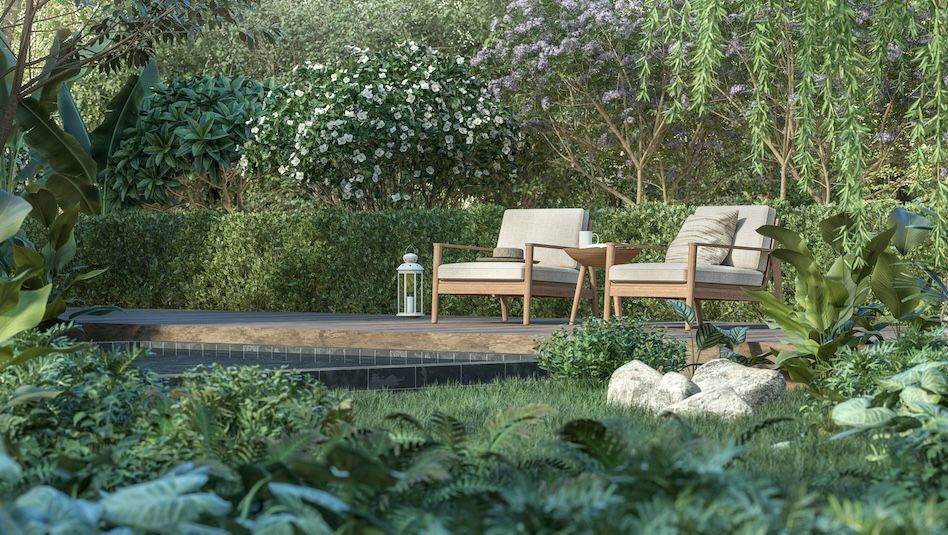
Transforming an outdoor space into a thriving home garden offers tangible health benefits and a peaceful sanctuary right at home. Beyond enhancing a property’s overall aesthetic appeal, cultivating a garden provides a refreshing escape from daily stressors.
A meticulously designed home garden serves as a private sanctuary that elevates both personal well-being and social entertainment. Beyond offering a peaceful retreat where homeowners can unwind, a tailored outdoor space also serves as a sophisticated setting for hosting guests at private gatherings.
With careful planning and preparation, often with the help of a trusted gardening or landscaping service, any homeowner can transform an underutilized yard or balcony into a vibrant, sustainable plant haven.
Planning and building the garden
Creating a successful home garden begins with understanding the space's characteristics and the conditions plants need to thrive. While gardening and landscaping services can handle much of the assessment, preparation, planting, and maintenance, homeowners benefit from understanding what it takes to develop and sustain a garden suited to their property.
Sunlight exposure. Observe the garden site throughout the day to track sunlight patterns. Most full-sun plants need six to eight hours of direct sunlight, whereas shade-tolerant varieties thrive in filtered light or partial shade.
Draining conditions. Inspect how water behaves after heavy rainfall. Poorly draining areas that lead to standing water can rot plant roots, while overly fast-draining, sandy spots may require constant moisture replenishment.
Spatial efficiency. For homeowners with limited space, vertical garden designs—such as wall-mounted planters, hanging baskets, and stacked containers—maximize yield and greenery without cluttering the floor area.
Building the foundation and design
A successful garden begins with more than choosing attractive plants. As one considers the condition of the soil and available space, a gardening or landscaping service they will tap can help assess the space, prepare the soil, select the right plants, and plan their placement.
Soil assessment and organic improvement. Soil texture, moisture retention, and pH levels should be tested before planting. Clay soil often holds too much water, while pure sand drains too quickly. Instead of synthetic fertilizers, organic matter—such as well-rotted compost, aged manure, or leaf mold—can dramatically improve soil structure, aeration, and nutrient content.
Native and climate-appropriate varieties. Native plants, seasonal flowers, and region-appropriate produce are preferred because they naturally adapt to local climate conditions. Native species generally require less intervention, fewer nutrients, and less water. A gardening or landscaping service can recommend plants to fill the space based on the site's conditions and soil.
Layering techniques and aesthetic cohesion. Arranging plants by height and spread can create visual depth. Taller shrubs or climbing trellises, for instance, can be placed toward the back, mid-sized plants in the center, and low-lying ground covers or flower borders at the front. Varied foliage textures, complementary color palettes, and structured garden beds can work together to enhance curb appeal.
Essential equipment. Acquire durable, essential gardening tools, including hand trowels, pruning shears, a sturdy spade, a watering can or a hose with an adjustable spray nozzle, and protective gloves.
Maintenance and long-term care
Once the space becomes a garden, consistent, eco-conscious maintenance on your end will help prevent common gardening issues such as overwatering, sunburn, and pest damage.
Irrigation schedules. Avoid overwatering, a common beginner mistake. Establish a routine of deep watering early in the morning so moisture can reach the root system while reducing evaporation during peak heat hours.
Organic pest control. Manage pests sustainably by introducing beneficial insects, using companion planting, or applying mild organic solutions such as neem oil and diluted insecticidal soaps.
Sustained growth practices. Apply a layer of organic mulch around plant bases to retain soil moisture, suppress weeds, and regulate root temperatures during seasonal extremes.
Cultivating a home garden is a rewarding process that balances artful design with practical care. By taking the time to assess environmental conditions, nourish the soil organically, choose native species, and practice eco-friendly maintenance, you can build an enduring outdoor haven that yields fresh produce and natural beauty for years to come.
Editor’s Note: This article is part of a special collaboration between Metrobank and BusinessWorld. Our aim is to explore the facets of living well for Wealth Insights readers, who value the finer things in life.