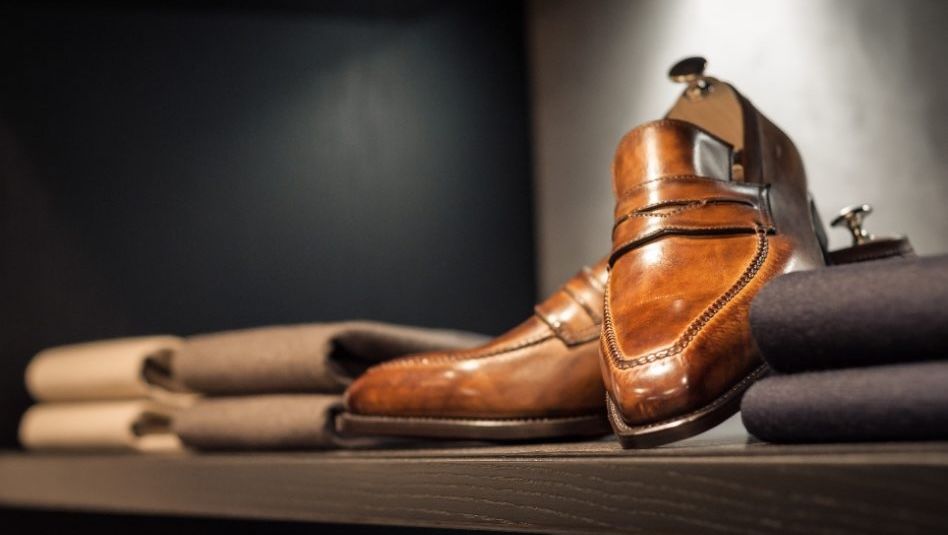
A well-made pair of shoes can complete a wardrobe as much as a tailored suit or a fine timepiece. For those who appreciate luxury dressing, bespoke footwear offers an opportunity to express personal taste in one of the most visible details of an outfit, from the shape of the last and the choice of leather to the color, finish, stitching, and sole.
Unlike ready-to-wear shoes made in standard sizes, bespoke shoes are crafted for the individual wearer. You can consider every detail, from foot proportions to the silhouette that best suits a particular wardrobe. For instance, classic black oxfords can complement tailored business attire, while rich brown loafers can pair with relaxed tailoring, allowing footwear to fit naturally into an existing collection rather than compete with it.
The appeal also lies in the details that may not be immediately visible. Hand-finished leather, carefully selected hides, distinctive patinas, precise stitching, and traditional construction methods can give a pair its character. The result is footwear that blends craftsmanship with personal style.
Acquiring these shoes, however, begins with a series of decisions the wearer and shoemaker make together. The process considers the shape of one’s feet, intended use, preferred materials, construction, and aesthetic preferences. For a first-time customer, understanding each stage can make the experience more enjoyable and help produce a pair that feels right from the first wear.
Knowing the shoe and the shoemaker
Begin by considering how the shoes will fit into the wardrobe. A pair intended for regular business wear may call for different leather and construction than one reserved for formal occasions. Think about preferred colors, silhouettes, trouser styles, and the other shoes already in the collection.
Comfort should also be discussed early. Some clients prefer more room around the toes, while others may need additional support or have experienced discomfort with certain shoe shapes. These details give the shoemaker useful information when developing the fit.
The shoemaker’s approach matters, too. Research their experience, craftsmanship, and typical work before placing an order. Ask how the fitting process works, how many fittings are included, and what happens if adjustments are needed after delivery. It is also worth asking about aftercare, repairs, resoling, and refurbishment.
What happens at the fitting
Measurements form the foundation of a bespoke pair. During the appointment, discuss the shape and proportions of the feet, including pressure points, arch shape, heel fit, and differences between the left and right feet. Details that seem minor can affect the final fit.
Trial fittings allow the client to assess the developing shoe before it is completed. Walk around and pay attention to the heel, toe room, width, and any areas that feel tight or loose. Clear feedback at this stage gives the shoemaker an opportunity to make adjustments.
Materials are another part of the experience. Ask about the available leathers and how each may age with use. Calfskin, suede, shell cordovan, and other options can produce different textures, finishes, and levels of formality. Some shoemakers may also offer hand-applied patinas, allowing clients to choose a distinctive color treatment.
Construction should also match the intended use. Different methods can affect flexibility, durability, weight, and how easily a shoe can be repaired or resoled. Understanding these choices can help clients decide where to invest and which details matter most to them.
Planning for long-term care
A bespoke pair, like other luxury pieces, requires proper care. Ask the shoemaker how to store, clean, and condition the shoes. Suitable shoe trees can help maintain their shape, and letting shoes rest between wears can give the leather time to recover.
It is also worth discussing future repairs and refurbishment from the start. Knowing how the shoes can be resoled, restored, or refinished can help preserve their appearance and usefulness over the years.
A well-made bespoke pair begins with an understanding of the person who will wear it. When foot shape, fit, materials, construction, personal style, and wardrobe are considered together, the result is a carefully crafted piece for a personal wardrobe, designed to be worn, enjoyed, and kept for years.
Editor’s Note: This article is part of a special collaboration between Metrobank and BusinessWorld. Our aim is to explore the facets of living well for Wealth Insights readers, who value the finer things in life.