







Philippines Trade Update: Wider deficit on strong imports
 DOWNLOAD
Policy Rate Updates: Policy rate updates to reassure
DOWNLOAD

Fed to cut just once
DOWNLOAD


Bessent says US has strong dollar policy, ‘absolutely not’ intervening to support yen
 By Reuters
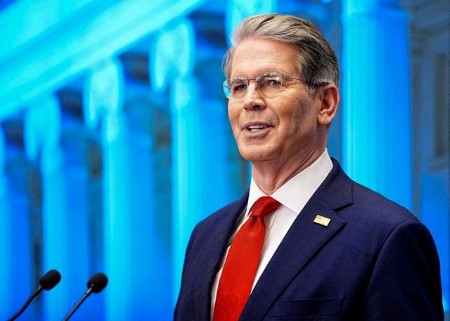


The US has a strong dollar policy and that means setting the right fundamentals, US Treasury Secretary Scott Bessent said on Wednesday, while denying that Washington was intervening in currency markets to support the Japanese yen.
Asked on CNBC if the US was intervening to strengthen the yen, Bessent said, “Absolutely not.”
Pressed if that was something the US planned to do, Bessent said, “We don’t comment other than to say we have a strong dollar policy.”
Bessent’s remarks boosted the dollar’s value against a basket of currencies on Wednesday, sending it up from a four-year low touched in the prior session.
The dollar index, which measures the US currency’s strength against a basket of peers, rose 0.5% to 96.391. The index sank as low as 95.86 on Tuesday, its weakest since February 2022, after US President Donald Trump brushed off this month’s slide, emboldening dollar bears.
The dollar index is down nearly 2% for the year, after falling 9.4% last year.
Trump said on Tuesday the value of the dollar was “great”, when asked if he thought it had declined too much. Traders took this as a signal to intensify dollar selling, ahead of a Federal Reserve policy decision later on Wednesday.
The dollar has been under pressure due to uncertainty about US interest rates and tariffs, threats to the independence of the Federal Reserve and rising fiscal deficits.
Gold, a safe-haven asset that generally rises when the dollar weakens and does not yield interest, climbed on Wednesday, surpassing USD 5,300 per ounce for the first time.
Bessent expressed confidence that Trump’s tax and deregulation policies were making the US attractive for investors, bringing in trillions of dollars.
“Over time the prices on the screen can fluctuate over six months, a year,” Bessent said. “If we have sound policies the money will flow in, and we are bringing down our trade deficits so they, automatically that should lead to more dollar strength over time.”
Bessent repeated his forecast that the US economy would perform well this year, but said he was not worried about that growth triggering inflation.
Productivity and wage growth do not necessarily lead to higher inflation, he said, adding that declining rents could lead to drops in measured inflation in time.
(Reporting by Andrea Shalal and Susan Heavey; Editing by David Gregorio)
This article originally appeared on reuters.com