





 DOWNLOAD


La DOTCE Vita: Shrinking trade deficit
From the Desk of the Chief Economist (DOTCE): Painting a picture of our trade data reveals some bright spots
 By Nicholas Antonio Mapa
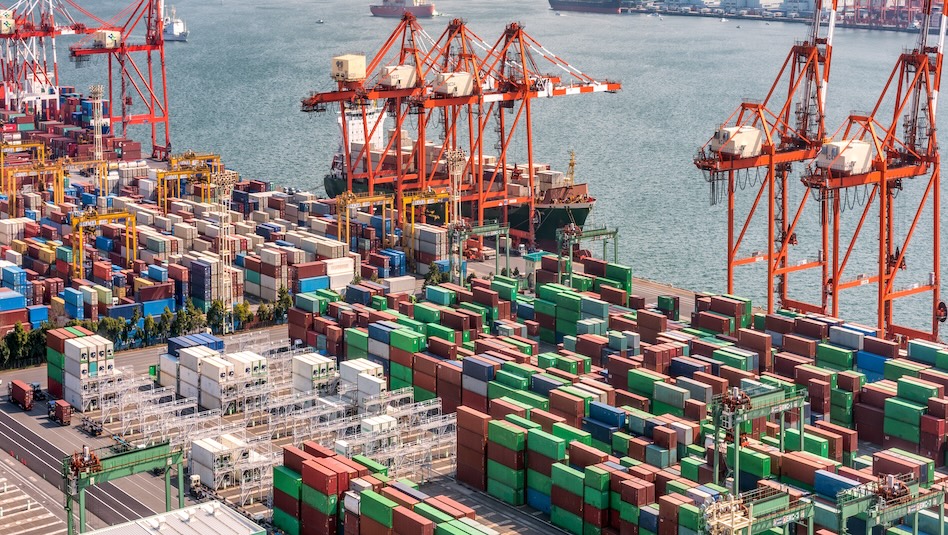


Trade numbers for January just came out, and we’re seeing trends of 2025 roll into this year.
Exports continue to surprise, with mainstay electronics leading the way at 18.8% year-on-year in January. Looks like the ASEAN supply chain continues to find takers for their products, and with a reported “chip crisis shortage,” we could see demand for this sector to at least remain decent in the coming months, Donald Trump’s 15% tariff notwithstanding.
A closer look at the imports data, however, is where I start to be concerned, as yes, trends from last year have translated into 2026. Well not all trends at least. The lone bright spot from the imports data was the strong pickup in capital goods imports, which for me, have also been a good barometer for increased productivity and economic growth down the line.
Capital goods imports rose 16% year-on-year, thanks in large part to a 98.8% annual jump in inbound shipments of aircraft, ships, and boats. Is this the A350-1000 imports of Philippine Airlines, since they announced their fleet expansion? Imports of telecommunications as well as office and electronic data processing machines also grew. Green shoots for a recovery? The Bangko Sentral ng Pilipinas (BSP) hopes so.
The concerning portion of the import bill was the sustained weakness reported in imports of consumer goods, which fell by 6.2% year-on-year. Both durable and non-durable consumer goods were in the red, with passenger car shipments slipping 5.5% year-on-year for the month of January. I guess this lines up with the recent and sustained downtrend in car sales to start the year.
I know the recent slowdown in economic growth is largely attributed to the easing in government spending, but the protracted slowdown in the once-vaunted Filipino consumer is the biggest question mark for growth in 2026.
Still, trade numbers in general paint a favorable picture for the economy. Here’s to seeing more positive data in the coming weeks ahead of the next BSP policy meeting in April.
(Disclaimer: This is general investment information only and does not constitute an offer or guarantee, with all investment decisions made at your own risk. The bank takes no responsibility for any potential losses.)
NICHOLAS MAPA is Metrobank’s Chief Economist, Market Strategist, and Head of the Research and Market Strategy Department in the Financial Markets Sector. He graduated from the University of Asia and the Pacific (UA&P) with an undergraduate degree in Humanities and a Master of Science (MSc) in Industrial Economics. He also completed an MA in Economics from Vanderbilt University and an MBA from the Kelley School of Business at Indiana University. He travels regularly with his family, enamored by culture and history. An avid learner, he also reads extensively.
Download Metrobank’s report below.


Philippines Trade Update: Imports weaken on tepid demand
Exports remain robust as imports soften amid lackluster consumer and investor spending
 Download