


TDF yield goes up on rate hike bets as inflation stays elevated
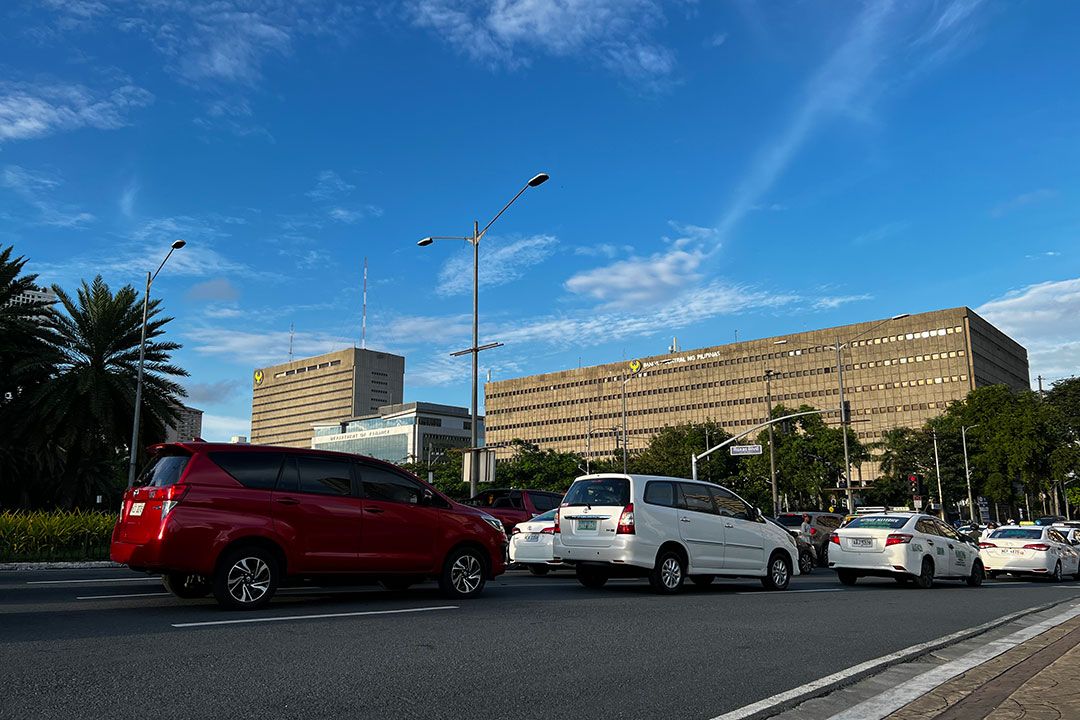
The Bangko Sentral ng Pilipinas’ (BSP) term deposits fetched a higher yield on Wednesday on weaker demand and as investors expect further monetary policy tightening amid still elevated July inflation.
Bids for the BSP’s term deposit facility (TDF) stood at PHP 129.622 billion, well below the PHP 150 billion in seven-day papers auctioned off. This was also lower than the PHP 137.524-billion tenders for the PHP 130 billion placed on the auction block last week.
This translated to a bid-to-cover ratio of 0.8641 times, down from the 1.0579 ratio in the prior week.
The central bank accepted just PHP 127.622 billion in tenders.
Rizal Commercial Banking Corp. Chief Economist Michael L. Ricafort said the partial award came as “some higher bid yields were rejected.”
Accepted yields for the seven-day deposits narrowed to the 4.6125% to 4.77% range from 4.5% to 4.77% a week ago. With this, the weighted average accepted rate of the one-week paper climbed by 1.03 basis points (bps) to 4.7423% from 4.732% in the previous auction.
“The seven-day BSP TDF average auction yield… went up after BSP Governor Remolona reiterated or signaled recently a possible BSP rate hike at the next BSP rate-setting meeting on Aug. 27,” Mr. Ricafort said via Viber.
“The latest local headline inflation at 6.2% in July 2026 is still among the fastest in more than three years or since April 2023 and still way above the BSP’s inflation target range of 2%-4%,” he noted.
He said this shows that more rate hikes are needed to better manage inflation, inflation expectations, and second-round effects to bring this back within the tolerance band.
The July headline inflation print released on Wednesday was softer than the 6.4% median estimate of 21 economists and analysts polled by BusinessWorld last week and was within the BSP’s 5.6%-6.6% forecast for the month.
As of July, inflation averaged 5%, well above the central bank’s 3% point target but still below its 6.4% projection for the entire year.
Last month, BSP Governor Eli M. Remolona, Jr. said they could consider a larger 50-bp move amid inflation risks stemming from reignited tensions in the Middle East and possible price pressures from proposed tax relief measures and a wage increase at home, but the chance of this happening is small.
The Monetary Board in June increased benchmark borrowing costs by 25 bps for a second straight meeting to bring the target reverse repurchase rate to 4.75%.
It is scheduled to hold its fourth rate-setting meeting this year on Aug. 27.
The central bank uses the TDF and BSP bills to mop up excess liquidity in the financial system and better guide market yields towards its policy rate.
It earlier said that it limited its TDF offerings to a single tenor to rationalize its liquidity operations and focus on tenors that would boost monetary policy transmission.
As of early June, the BSP’s market operations have absorbed P1.3 trillion in excess liquidity from the market, with 6.9% of this being siphoned off via the term deposit facility. — Katherine K. Chan
This article originally appeared on bworldonline.com