


Philippines’ outstanding debt swells to PHP 18.49T in March
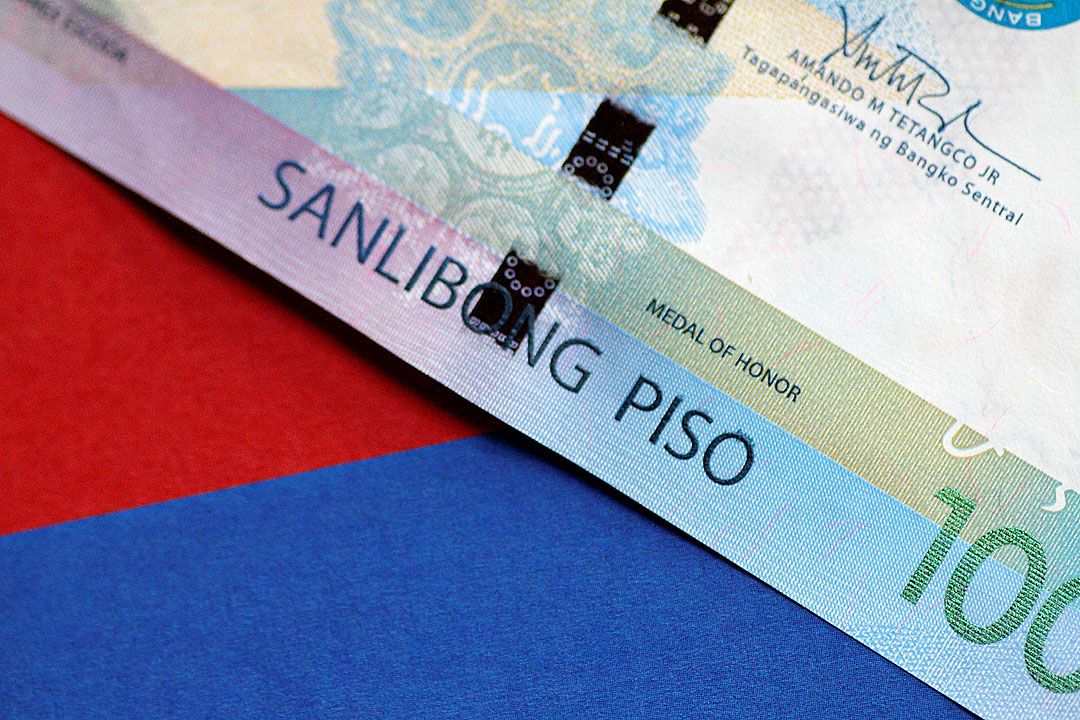
The National Government’s (NG) outstanding debt rose to a fresh record high of PHP 18.49 trillion as of end-March, driven partly by the peso’s depreciation, the Bureau of the Treasury said.
Latest data from the Treasury showed that the debt went up by 1.81% from PHP 18.16 trillion at the end of February.
Year on year, outstanding debt went up by 10.81% from PHP 16.68 trillion at end-March 2025.
NG debt is the total amount owed by the Philippine government to creditors such as international financial institutions, development partner-countries, banks, global bondholders and other investors.
“The expansion was primarily driven by the revaluation impact of peso depreciation against the US dollar, alongside net issuance of domestic securities,” the Treasury said in a statement late Wednesday.
The bulk or 67.8% of the total debt stock came from domestic sources, while the rest were external borrowings.
Domestic debt, which was composed of government securities, inched up by 0.44% to PHP 12.53 trillion at end-March from PHP 12.48 trillion at end-February.
Year on year, it jumped by 10.15% from PHP 11.38 trillion.
According to the BTr, the increase in domestic debt was “mainly due to net issuance of government securities amounting to PHP 46.72 billion.”
“In addition, peso depreciation contributed PHP 8.68 billion to the peso value of foreign-currency-denominated domestic securities,” it added.
The peso closed PHP 60.748 against the dollar on March 31, weakening by PHP 3.083 from its PHP 57.665 close on February 27.
Meanwhile, external debt jumped by 4.81% to PHP 5.95 trillion as of end-March from PHP 5.68 trillion at end-February.
Year on year, it surged by 12.24% from PHP 5.3 trillion in the same period.
The Treasury said the increase was “largely attributed to the depreciation of the peso,” which raised the peso value of foreign currency-denominated obligations by PHP 299.50 billion.
This was partly offset by “net repayments of PHP 2.55 billion and downward revaluation of third-currency debt by PHP 23.92 billion,” it added.
External debt was composed of PHP 3 trillion in global bonds and PHP 2.94 trillion in loans.
The NG’s guaranteed obligations inched up by 0.37% to PHP 381.41 billion as of end-March from PHP 379.98 billion in the previous month.
“The movement was influenced by the impact of peso depreciation on the valuation of external guarantees, which added PHP 4.53 billion,” the BTr said.
The increase was, however, partly offset by net repayments on domestic and external guarantees, which reduced the debt level by PHP 760 million and PHP 1.50 billion, respectively.
“In addition, favorable third currency fluctuations provided an additional PHP 840 million offset,” it said.
Year on year, guaranteed obligations increased by 12.23% from PHP 339.86 billion.
The NG’s outstanding debt is projected to reach PHP 19.06 trillion by end-2026 under the Budget of Expenditures and Sources of Financing 2026.
Under the Medium-Term Fiscal Framework 2022-2030, updated in October 2025, the government seeks to bring the debt-to-gross domestic product (GDP) ratio down to 58% by 2030.
Last year, the debt-to-GDP ratio climbed to 63.2%, the highest annual level in two decades or since the 65.7% recorded in 2005.
First-quarter GDP and debt-to-GDP ratio data will be released on Thursday (May 7). — Justine Irish D. Tabile, Senior Reporter
This article originally appeared on bworldonline.com