


Philippine factory activity returns to growth in May, PMI shows
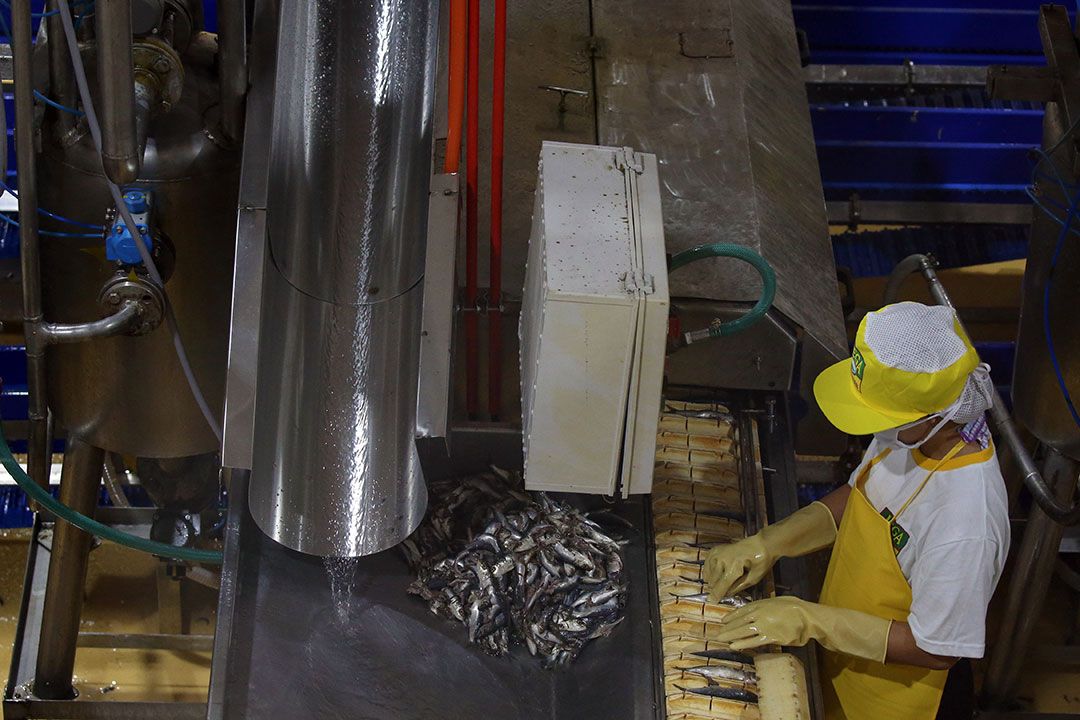
Philippine factory activity bounced back in May as stronger domestic demand boosted output and new orders, although supply chain disruptions and rising costs linked to the Middle East conflict continued to weigh on manufacturers, S&P Global said on Monday.
S&P Global Philippines Manufacturing Purchasing Managers’ Index (PMI) improved to 50.8 in May from 48.3 in April. However, S&P Global said the latest uptick “was only modest and historically subdued.”
A PMI reading above 50 denotes better operating conditions than in the preceding month, while a reading below 50 shows deterioration.
“The latest PMI data for the Filipino manufacturing sector presented a mixed picture,” Maryam Baluch, economist at S&P Global Market Intelligence, said in the report.
“While manufacturers registered renewed growth in output and new orders, supply-chain disruption and cost pressures worsened as the Middle East conflict entered its third month,” she added.
Among Association of Southeast Asian Nations economies with available May PMI data on Monday, the Philippines’ reading trailed Vietnam (52.8) but ahead of Myanmar (49.3).
S&P Global attributed the overall expansion in the Philippines’ manufacturing activity to the rise in new orders in May, after a sharp drop in April.
“Improved client demand and new customer wins were said to have driven growth,” it said. “Underlying data hinted that the upturn stemmed from improved domestic demand.”
However, S&P Global said that exports remained bleak, after overseas sales dropped at the sharpest pace since July 2020.
“Nonetheless, the uptick in overall new business encouraged firms to raise their production levels at a solid pace in May, after growth had stalled in the survey month prior,” it added.
However, supply chain disruption worsened in May. S&P Global said that lead times for inputs lengthened to its greatest extent in nearly a year-and-a-half, as companies consolidated orders to limit costs.
It said the Mideast conflict also pushed up fuel and raw material costs, causing input-price inflation to accelerate to its fastest pace since August 2022.
With the higher fuel and raw material costs, manufacturers raised selling prices at the second-fastest pace in more than three years, exceeded only by April’s increase.
Despite the increase in new orders, purchasing activity declined as firms relied on existing inventories to meet production requirements.
S&P Global said firms drew down inventories instead of increasing purchases, with stocks of inputs declining at the fastest pace in six years.
It also noted that May saw the sharpest decline in manufacturing employment in two years, mainly due to resignations and layoffs.
S&P Global noted the manufacturers’ level of positive sentiment was the highest in 18 months.
“Firms remained increasingly optimistic about the future, hoping improved demand will support output growth,” Ms. Baluch said. “Indeed, sustaining this growth will depend on how certain customers feel in the economic and geopolitical outlook.”
Not a recovery?
Leonardo A. Lanzona, Jr., an economics professor at the Ateneo De Manila said the S&P Global data “makes clear that supply chain pressures are still actively biting.”
“To call May a recovery, we’d need to see new orders expanding convincingly, not just output edging higher. We’d need hiring to resume and input cost pressures to ease. None of that is confirmed,” he said in an e-mail.
“What we have is a sector that scraped back above the neutral line while still navigating one of the most disruptive supply chain environments since 2022. That’s resilience at the margin — not recovery.”
Meanwhile, Marco Antonio C. Agonia, an economist at the University of Asia and the Pacific, said the rebound in manufacturing activity “could be the start of a mild recovery, but risks to the downside, especially on the production front, remain elevated.”
“In the immediate term, the reopening of the school calendar may provide a decent lift in the next few months, but significant upside may be capped by production cost bottlenecks,” Mr. Agonia said.
“The outlook may be more sanguine over the medium term, with the expected return of government spending by the second half of this year stimulating aggregate demand and Middle East peace bets becoming more material,” he added. — Justine Irish D. Tabile, Senior Reporter
This article originally appeared on bworldonline.com