


Philippine central bank hikes key rate by 50 bps amid inflation woes
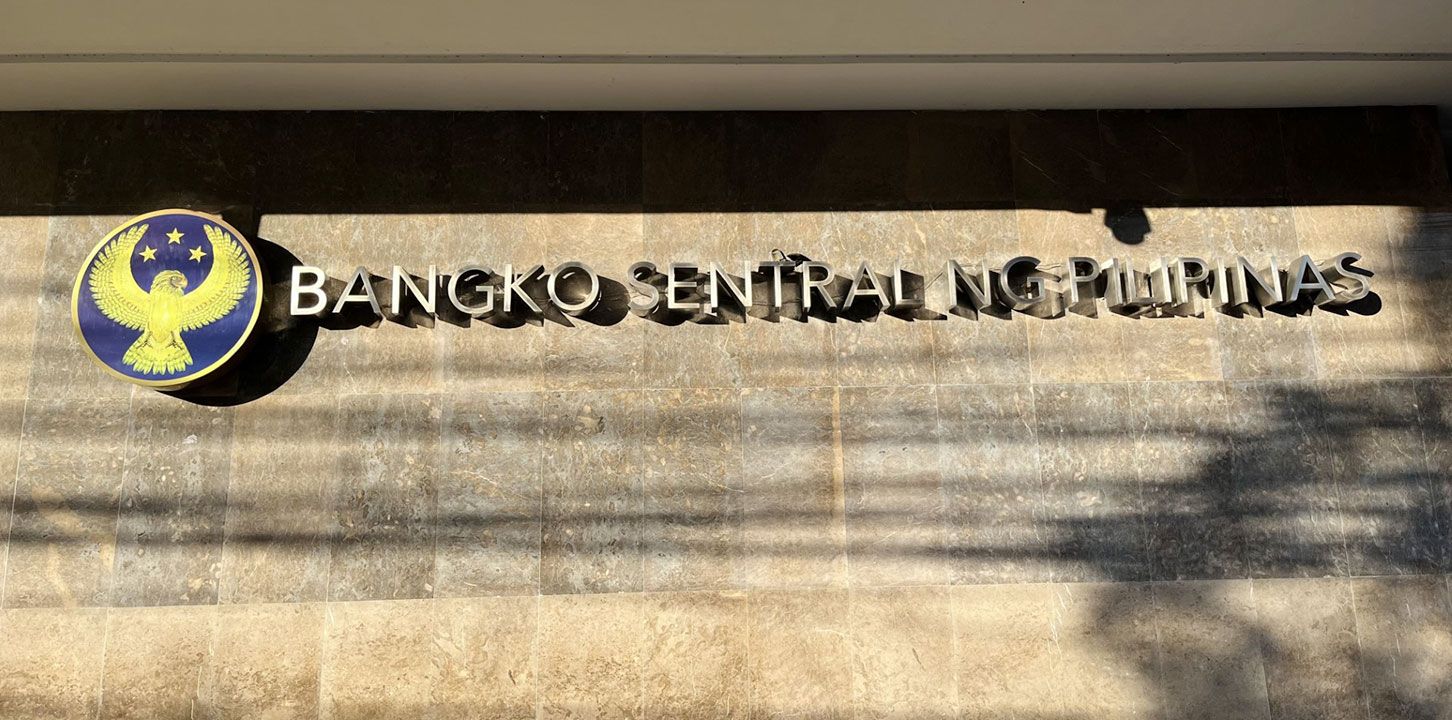
The Bangko Sentral ng Pilipinas (BSP) raised its key policy rate by a half-point for the first time in nearly four years amid broadening inflation risks from persistent price shocks and the looming El Niño.
The Monetary Board hiked the target reverse repurchase rate (RRP) by 50 basis points (bps) to 5.5%, the highest in nearly two years or since the 5.75% in February 2025. This also matched the benchmark rate set in April 2025.
Rates on the overnight deposit and lending facilities were also increased by 50 bps each to 5% and 6%, respectively.
This was the first 50-bp hike in nearly four years or since February 2023, when the central bank sought to prevent inflation from breaching its target the following year.
“The Monetary Board recognized the need for a strong monetary policy response to broadening price pressures and further upside risks to inflation,” the BSP said in a statement on Thursday.
“Such a decisive response will make monetary policy appropriately restrictive. This will contain second-round effects and firmly anchor inflation expectations.”
The BSP’s latest move marked the fourth consecutive meeting that it tightened its monetary policy, bringing its total hikes since April to 125 bps.
This came as a surprise for the market, as 20 of the 22 analysts polled by BusinessWorld penciled in a quarter-point hike. Only two called a 50-bp policy rate increase.
Inflation returned to this year’s peak of 7.2% in September amid renewed price surges in oil, food, housing, and utilities. This was the seventh consecutive month that inflation was above the BSP’s 3% target, with the year-to-date headline clip standing at 5.4%.
Core inflation, which discounts volatile food and fuel prices, likewise accelerated to a nearly three-year high of 4.7%.
The central bank’s aggressive move also came as it expects the economy to recover on the back of fiscal measures.
Philippine gross domestic product (GDP) slumped for a fourth consecutive quarter to a new post-pandemic low of 2.3% in the April-to-June period, bringing the first-half expansion to 2.6%.
The National Government wants GDP to grow by 3.5%-4.5% this year. -- Katherine K. Chan, Reporter
This article originally appeared on bworldonline.com