


Peso slips to fresh all-time low on oil surge
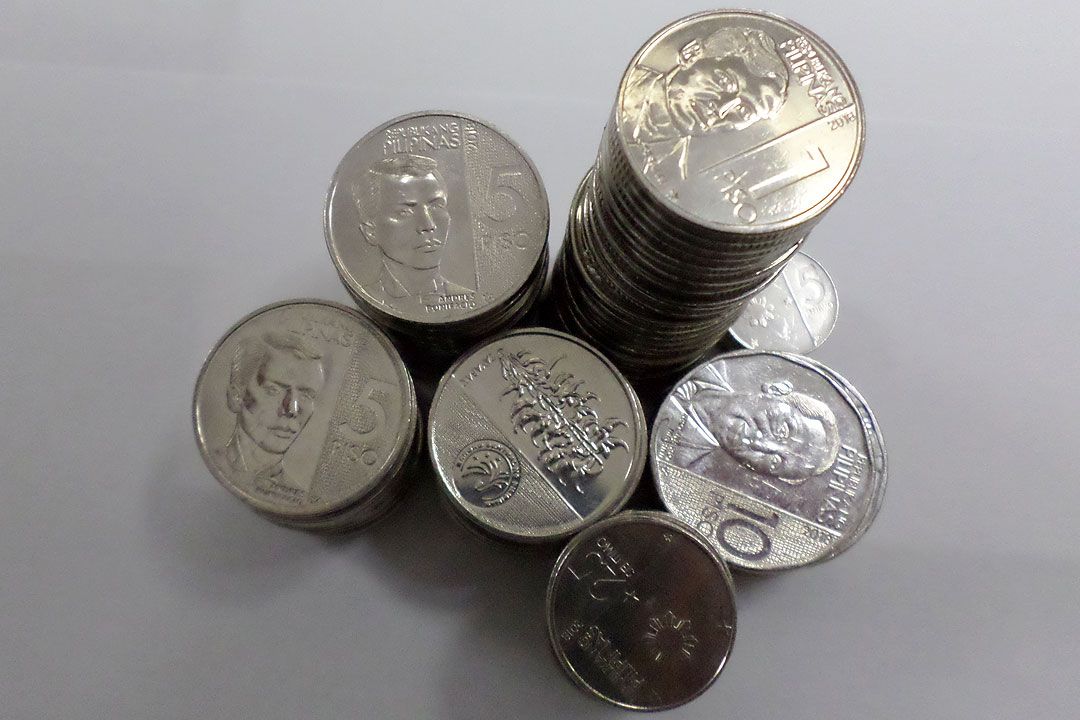
The peso sank to a new record low against the dollar on Tuesday on investors’ flight to safer assets as the Middle East conflict worsened, causing global oil prices to surge.
The currency dropped by 3.9 centavos to close at PHP 62.625 versus the greenback from Monday’s PHP 62.586 finish, data from the Bankers Association of the Philippines’ website showed.
This surpassed the last all-time-low close of PHP 62.59 on Sept. 4.
Year to date, the peso has declined by PHP 3.835 or 6.12% from its PHP 58.79 close on Dec. 29, 2025.
The local unit opened Tuesday’s session slightly stronger at PHP 62.57 per dollar, while its intraday best was at PHP 62.48. Its worst showing was at PHP 62.675.
Trading volume went up to USD 1.389 billion from USD 1.189 billion.
The currency’s drop was in line with regional currencies’ weakness against the US dollar, a trader said in a text message.
“The peso’s slide to a new record of 62.625 low is largely a reflection of a stronger US dollar rather than a sign of economic weakness in the Philippines,” Reyes Tacandong & Co. Senior Adviser Jonathan L. Ravelas likewise said in a Viber message.
“Markets are currently favoring dollar assets amid expectations of elevated US interest rates, while higher global oil prices are increasing the country’s import bill and demand for dollars.”
Union Bank of the Philippines Chief Economist Ruben Carlo O. Asuncion said oil’s latest climb fueled inflation concerns that could lead to further rate hikes from global central banks.
“The peso weakened slightly … as Brent crude approached USD 100 per barrel and renewed concerns over global inflation and tighter monetary policy weighed on risk sentiment. As a major oil importer, the Philippines remains sensitive to higher energy prices because of their implications for inflation and the country’s import bill,” he said in a Viber message.
“Still, the peso’s relatively narrow trading range and stronger intraday weighted average suggest that selling pressure was contained, partly as the broader dollar remained steady.”
Mr. Asuncion said the peso’s movement against the greenback will be dictated by oil prices, Middle East developments, and Friday’s US inflation report.
Mr. Ravelas said the peso could test new lows in the near term if the dollar stays strong and energy prices remain elevated. “However, I do not expect a disorderly depreciation because the BSP (Bangko Sentral ng Pilipinas) has adequate policy tools and reserves to manage excessive volatility. Ultimately, the peso’s direction will depend more on global developments than domestic factors.”
He added that a gradual recovery remains possible once the greenback loses momentum, if oil prices stabilize, or if global risk sentiment improves.
The peso could range from PHP 62.60 to PHP 62.90 against the dollar in the near term, Mr. Ravelas said. — Aaron Michael C. Sy
This article originally appeared on bworldonline.com