


Peso slides on concerns over Fed path, US-Iran ceasefire
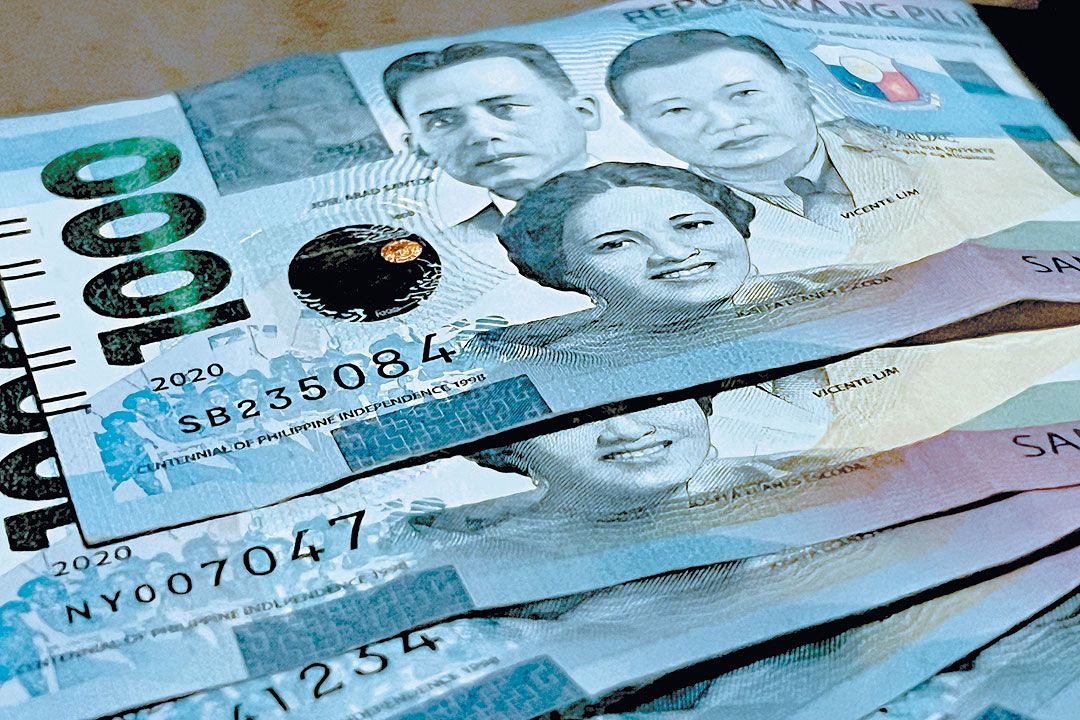
The peso again sank to the PHP 60 level versus the dollar on Wednesday as concerns over the US Federal Reserve’s future policy path added to persisting woes over the Middle East war.
The local currency closed at PHP 60.13 a dollar, falling by 19.2 centavos from Tuesday’s PHP 59.938 finish, according to Bankers Association of the Philippines data posted on its website.
The peso opened the session weaker at PHP 60.05 against the greenback, which was already its intraday best. Its worst showing was at P60.17.
Dollars traded rose to USD 1.613 billion from USD 1.476 billion in the previous session.
“The peso weakened after remarks from former Fed Governor Kevin Warsh in his US Senate confirmation hearing added to policy uncertainty to the Fed,” a trader said in an e-mail.
Fed chief nominee Mr. Warsh said on Tuesday he had made no promises to President Donald J. Trump about cutting interest rates, as he tried to assure US senators mulling his confirmation to lead the US central bank that he would act independently of the White House while pursuing broad reforms, Reuters reported.
Mr. Trump, who nominated Mr. Warsh for the top Fed job, has repeatedly expressed his confidence that his pick will deliver lower rates if confirmed, and said in a CNBC interview just prior to the hearing on Tuesday that he would be disappointed if it didn’t happen.
Mr. Warsh is considered likely to be confirmed, but the timing of any Senate approval remains unclear. Republican Senator Thom Tillis, in an unusual turn, used his time during the hearing not to ask questions of Mr. Warsh, but to detail why he would delay the confirmation until the Trump administration drops an ongoing criminal probe of current Fed Chair Jerome H. Powell over a renovation of the central bank’s headquarters in Washington.
Traders are dialing back expectations of when the Fed could next ease monetary policy and they still lack conviction over the prospect of rate cuts until deep into 2027. Fed funds futures are pricing in an implied 57.9% probability that the US central bank will hold rates steady as late as its meeting ending on April 28 next year, compared with a good chance of a cut a day earlier, according to the CME Group’s FedWatch tool.
The dollar was also generally stronger on Wednesday following the extension of the ceasefire between the US and Iran, Rizal Commercial Banking Corp. Chief Economist Michael L. Ricafort said in a Viber message.
The dollar was steady though it traded near a one-week high on Wednesday, as uncertainty over the conflict in the Middle East appeared to persist even after Mr. Trump extended indefinitely a ceasefire with Iran, Reuters reported.
Following Mr. Trump’s announcement, it was not clear if Iran or Israel, the US’ partner in the two-month war, would agree. The president also said he would continue the US Navy’s blockade of Iran’s trade by sea, which is considered an act of war by Iran.
The US dollar index, which measures the greenback’s strength against a basket of six currencies, was little changed at 98.324.
For Thursday, the trader said the peso could recover on an expected rate hike by the Philippine central bank.
The trader sees the peso moving between PHP 60 and PHP 60.25 per dollar on Thursday, while Mr. Ricafort expects it to range from PHP 60 to PHP 60.20. — A.M.C. Sy with Reuters
This article originally appeared on bworldonline.com