


Peso slides back to PHP 61 level on uncertainty over US-Iran talks
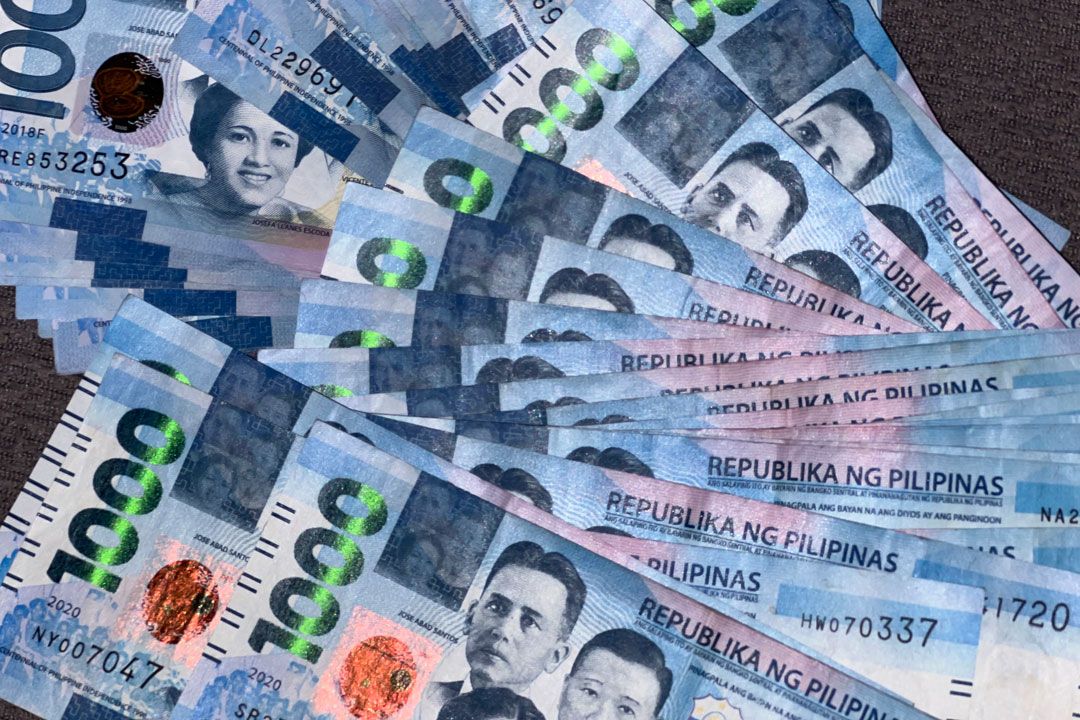
The peso slid back to the PHP 61-a-dollar level on Tuesday on mixed news about peace talks between the United States and Iran, and as the yen slipped again a day after a joint intervention effort lifted the embattled currency.
The local unit fell by 23.5 centavos to close at PHP 61.165 versus the greenback from its PHP 60.93 finish on Monday, based on data from the Bankers Association of the Philippines.
The currency opened Tuesday’s session just slightly weaker at PHP 60.95. It climbed to a high of PHP 60.90, while its worst showing was at PHP 61.222 versus the greenback.
Dollars exchanged went up to USD 1.65 billion from USD 1.45 billion.
The peso closed weaker to tracking the yen and following US President Donald J. Trump’s statement of a “last chance” for peace talks with Iran, a trader said in a telephone interview.
Oil’s gains amid uncertainty over a peace deal between the US and Iran also dragged the currency, Rizal Commercial Banking Corp. Chief Economist Michael L. Ricafort said in a Viber message.
For Wednesday, the trader sees the peso moving between PHP 60.90 and PHP 61.30 depending on US labor data, while Mr. Ricafort expects it to range from PHP 61.05 to PHP 61.30.
The yen slipped on Tuesday but held on to most of its intervention-driven gains, after last week’s joint action by Tokyo and Washington to shore up the currency kept speculators wary of rebuilding bearish positions, Reuters reported.
The yen was last down 0.4% at JPY 157.8 per dollar, giving back some of its gains after hitting a three-month high of JPY 155.20 in the previous session, but remaining well above its 40-year low of JPY 163.99 touched in July.
The Japanese currency had surged as much as 5% over the last three trading sessions, with Japan confirming coordinated yen-buying intervention on Friday with the US in a rare move.
“While joint intervention may prove more effective at helping to provide support for the yen in the near term, we still believe that it can only buy time,” said Lee Hardman, senior currency analyst at MUFG.
“There will need to be a change in fundamentals as well to encourage a sustainable reversal of the yen weakening trend that has been in place over the last five years,” he said, referencing Japan’s much lower interest rates than the US.
Two market sources told Reuters the US Treasury bought yen for euros last week instead of selling dollars, a highly unusual move likely aimed at helping Japan strengthen the yen without encouraging a view that Washington wants a softer dollar.
Against the euro, the yen slipped 0.5% to JPY 181.62, down from Monday’s almost nine-month high of JPY 179.44.
Monday’s sudden surge in the yen stirred speculation that Japanese authorities had intervened again, though officials offered no confirmation.
Analysts at Citi said trading volumes in dollar/yen hit roughly USD 27 billion in the early morning window on Monday, compared with the recent averages of USD 1.9 billion.
Bank of America strategists said JPY 155 could prove to be a critical inflection point in the market as the currency pair found a floor around that level during the intervention in April and May this year.
The dollar, meanwhile, was nursing losses, having slid in the wake of the yen-buying intervention and on the back of falling oil prices.
Mr. Trump said on Monday that talks with Iran were under way, warning that it was a “last chance” for Tehran to sign a good deal to end the five-month-old war, but Iran denied that any negotiations were being held or planned.
Against the greenback, the euro was little changed at USD 1.151, having hit a 1-1/2-month peak of USD 1.156 in the previous session, while sterling fetched USD 1.343.
The dollar index bounced from a 1-1/2-month low to 100.
Meanwhile, the Australian dollar rose 0.3% to USD 0.702.
Investors had sold the dollar after the US Federal Reserve kept rates on hold last week, with its losses accelerating following the yen intervention.
“This week’s nonfarm payrolls for July is a key input into the timing of the eventual tightening cycle,” said Joseph Capurso, a strategist at Commonwealth Bank of Australia, referring to the closely watched US jobs report due on Friday.
Markets are currently pricing in roughly 35 basis points’ worth of Fed rate hikes by December. — A.M.C. Sy with Reuters
This article originally appeared on bworldonline.com