


Peso plunges to new all-time-low close on contagion, oil supply fears
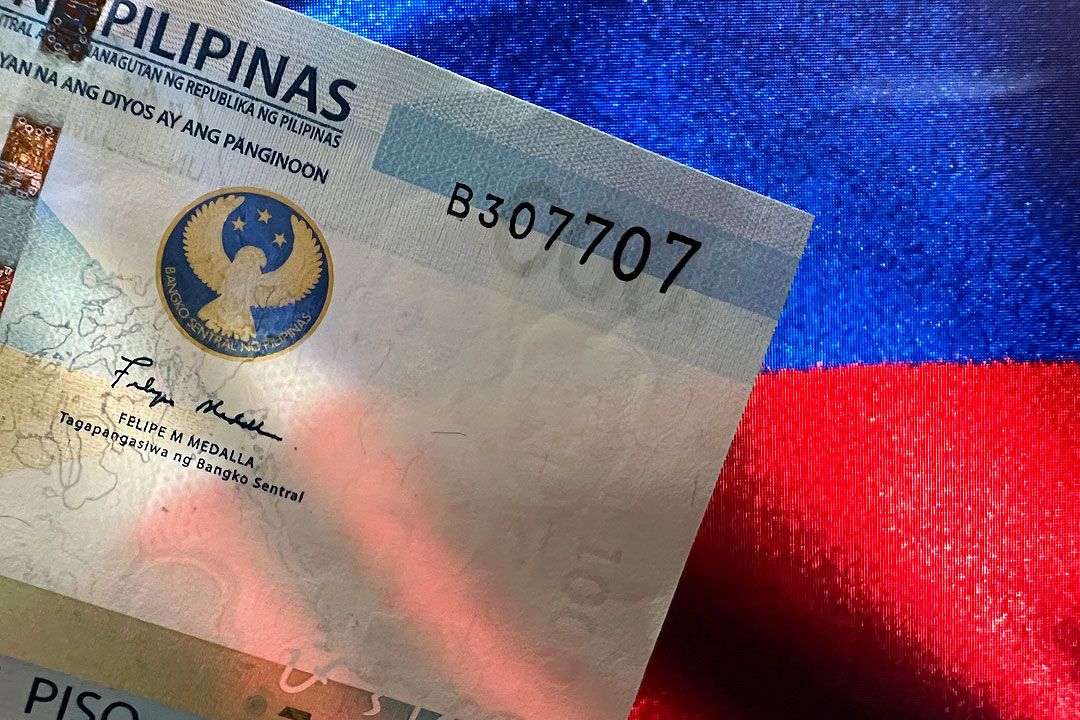
The peso plunged to a new all-time low against the dollar on Thursday as investors flocked to safety after global oil prices jumped on supply fears and amid the political instability in France.
The currency slid by 15 centavos to end at PHP 62.90 versus the greenback from its PHP 62.75 finish on Wednesday, data from the Bankers Association of the Philippines’ website showed.
This was a new record-low finish for the peso, eclipsing the PHP 62.86 logged on Sept. 14. Still, this was better than the intraday trough of PHP 62.925 seen on Sept. 15, which is the lowest level the peso has ever touched.
Year to date, the peso has depreciated by PHP 4.11 or 6.53% from its PHP 58.79 close on Dec. 29, 2025.
The local unit opened Thursday’s session stronger at PHP 62.65 per dollar, which was already its intraday high. Its weakest showing was its closing level of PHP 62.90.
Dollars traded rose to USD 1.45 billion from USD 1.208 billion.
The peso closed at a new all-time low due to strong risk-off sentiment amid renewed tensions in the Middle East paired with fiscal and political concerns in Europe that raised fears of a potential contagion, a trader said by phone.
“The peso’s latest weakness reflects a combination of persistent dollar strength and rising external price pressures. The US dollar continues to draw support from the US Federal Reserve’s higher-for-longer policy stance and elevated Treasury yields, while oil prices above $100 per barrel have raised concerns over inflation and the country’s import bill,” Union Bank of the Philippines Chief Economist Ruben Carlo O. Asuncion said in a Viber message.
He added that the faster-than-expected September inflation data reinforced tightening bets, although investors were mainly focused on broad dollar strength and global risk sentiment.
Philippine headline inflation, as measured by the consumer price index (CPI), accelerated to 7.2% in September from 6.1% in August and 1.7% a year ago. This matched the April clip and was the fastest in three-and-a-half years or since the 7.6% in March 2023. It also marked the seventh straight month inflation remained above the central bank’s 3% target.
Analysts said the September print strengthens the case for another Bangko Sentral ng Pilipinas rate hike.
The Monetary Board’s last two policy reviews this year are scheduled for Oct. 22 and Dec. 17. Since April, the central bank has raised rates by a cumulative 75 basis points to bring the target reverse repurchase rate to 5%.
“The recent decline in gross international reserves (GIR) to just below $100 billion also contributed to concerns over the country’s external buffers,” Mr. Asuncion added.
The country’s GIR fell to USD 99.997 billion in the nine months to September, down 8.31% from the USD 109.06 billion seen a year ago, preliminary data from the BSP showed.
This was the lowest level in three years or since the USD 98.116 billion logged in September 2023 and also marked the seventh straight month that reserves dropped year on year.
Elevated US Treasury yields also increased the attractiveness of the greenback, Rizal Commercial Banking Corp. Chief Economist Michael L. Ricafort said in a Viber message.
“Moving forward, we expect the peso to remain volatile and generally biased toward weakness, with US rates, oil prices, geopolitical developments, and BSP policy signals likely to remain the key drivers of the exchange rate in the near term,” Mr. Asuncion said.
Meanwhile, the trader said the peso could test the PHP 63 level as elevated oil prices are driving demand for the greenback, adding that it could break the psychological level depending on the outcome of the Fed’s meeting this month and if oil prices near the USD 136 a barrel high seen in April.
The trader added there could be an attempt at the PHP 63 level in the coming days, but the pair could see a correction afterwards.
For Friday, the trader sees the peso moving between PHP 62.60 and PHP 63 against the greenback, while Mr. Ricafort expects it to range from PHP 62.75 to PHP 62.95. — Aaron Michael C. Sy
This article originally appeared on bworldonline.com