


Peso plummets to new low of PHP 61.30
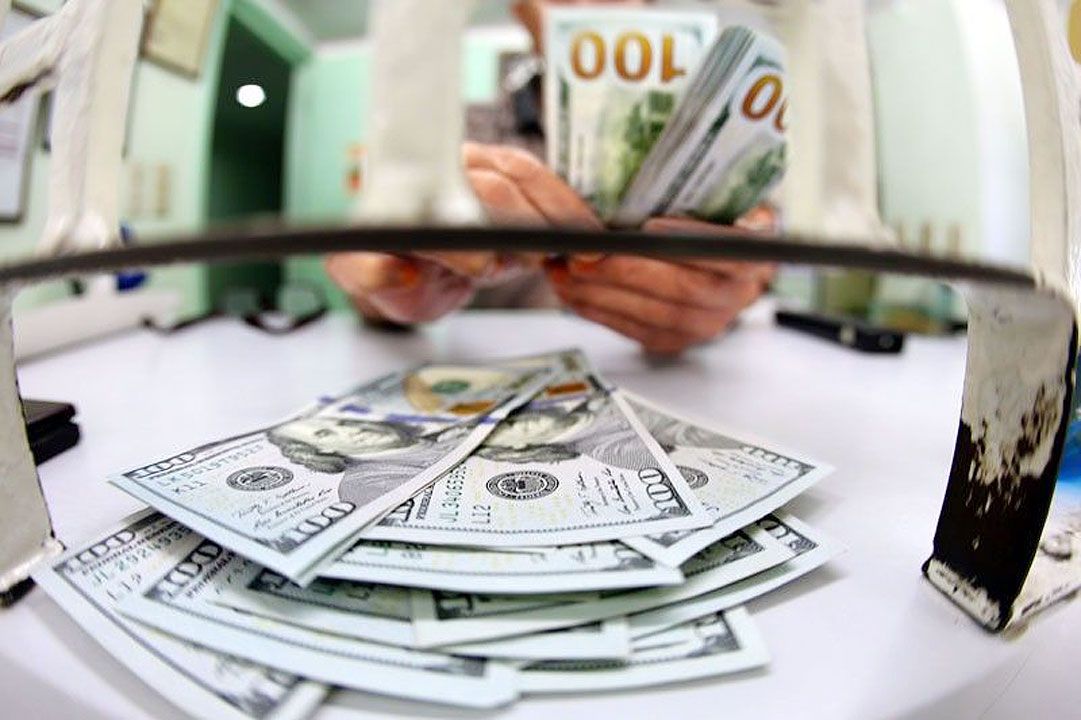
The peso tumbled to a new all-time low on Tuesday, breaching the PHP 61 mark versus the dollar for the first time in history, on heightened inflation worries as global oil prices surged again after peace talks between the United States and Iran hit a deadlock.
The currency closed at PHP 61.30 a dollar, plunging by 59 centavos from Monday’s PHP 60.71 finish, according to Bankers Association of the Philippines data posted on its website.
This surpassed the previous all-time-low close of PHP 60.748 logged on March 31. This is now also the worst level ever hit by the peso, beating the PHP 60.84 recorded on March 30.
Year to date, the peso has weakened by PHP 2.51 or 4.09% from its PHP 58.79 finish on Dec. 29, 2025.
Tuesday’s drop was also its biggest one-day decline in over seven months or since it sank by 63.9 centavos on Sept. 25, 2025.
The peso opened Tuesday’s trading session weaker at PHP 60.80 against the greenback. Its intraday best was at PHP 60.77, while its worst showing was its closing level of PHP 61.30.
Dollars traded jumped to USD 1.75 billion from USD 1.41 billion in the previous session.
The peso’s weakness continued to be driven by the closure of the Strait of Hormuz due to the US-Iran conflict, which has pushed up global oil prices, HSBC Senior ASEAN (Association of Southeast Asian Nations) Economist Aris D. Dacanay said at a media briefing on Tuesday.
“I don’t think it’s peso-driven. I think it’s dollar-driven. And you could see that with the depreciation across all other currencies.”
High demand for dollars among importers likely also led to Tuesday’s drop, Robert Dan J. Roces, an economist at SM Investments Corp., said in a Viber message.
“The move above PHP 61 does not mean the BSP (Bangko Sentral ng Pilipinas) hike failed. It helped, but stronger forces are at work. US rates are still high, the dollar is strong, and money is moving out of emerging markets,” he said.
“The market is looking at where rates are headed, not just the last move, and may still be seeing a narrow gap with the US. The peso’s weakness is driven more by global factors, and the hike likely slowed the drop rather than reversed it.”
On Tuesday, Brent crude oil surged 2.7% to USD 111.20 a barrel, a three-week high, while US oil climbed 2.9% to USD 99.10, Reuters reported.
The US was reviewing Tehran’s latest proposal to resolve the war, even as a US official said President Donald J. Trump was unhappy with the plan as it did not address Iran’s nuclear program.
That leaves the two-month-long conflict at an impasse with energy and other supplies through the critical Strait of Hormuz still mainly shut.
The Philippines is a net oil importer, sourcing the bulk of its supply from the Middle East and making it extremely vulnerable to global price shocks.
Higher fuel costs due to the ongoing war have threatened the domestic inflation outlook, prompting the BSP’s Monetary Board to hike benchmark interest rates by 25 basis points last week. This was the first increase in over two years.
BSP Governor Eli M. Remolona, Jr. also left the door open to further tightening via “a succession of modest rate hikes” as they try to quell spiraling prices.
This, as the central bank now expects headline inflation to exceed its 2%-4% tolerance band until next year. It raised inflation forecasts to 6.3% for 2026 and 4.3% for 2027 from 5.1% and 3.8% previously.
Inflation already breached the target in March, hitting a two-year high of 4.1% and bringing the three-month average to 2.8%.
The peso’s depreciation past the PHP 61 mark “keeps imported inflation risks alive — fuel, food, and power costs rise — so the BSP’s hawkish bias stays intact and rate cuts are harder to justify,” Reyes Tacandong & Co. Senior Adviser Jonathan L. Ravelas said in a Viber message.
“From a markets perspective, fresh record lows hurt sentiment and raise risk premiums, while growth takes a near-term hit as higher inflation squeezes consumers and tight financial conditions curb investment.”
Meanwhile, Mr. Dacanay said the peso’s inflation pass-through may not be that strong yet at the present level as this depreciation was mostly expected, even before the Iran war broke out.
“So, all the prices that we see right now have already priced in the peso to reach PHP 61 a dollar… So, right now, I don’t think there’s a huge inflationary effect, except for those that follow it quite closely, such as fuel and electricity.”
The BSP has said that it only intervenes in the foreign exchange market to temper sharp swings that could stoke inflation. Last week, Mr. Remolona said a 50-centavo move in one day is “a bit large.”
A trader said the peso may continue its slide if no resolution is reached between the US and Iran, adding that the local unit could trade between PHP 61 and PHP 61.50 a dollar on Wednesday.
“There is upside, but it hinges on a clear Federal Reserve pivot, stable oil prices, and a return of portfolio flows,” Mr. Ravelas said.
“Until then, expect continued volatility and mild depreciation rather than a sustained peso rebound.” — Aaron Michael C. Sy, Reporter
This article originally appeared on bworldonline.com