


Peso nears all-time low on war risks
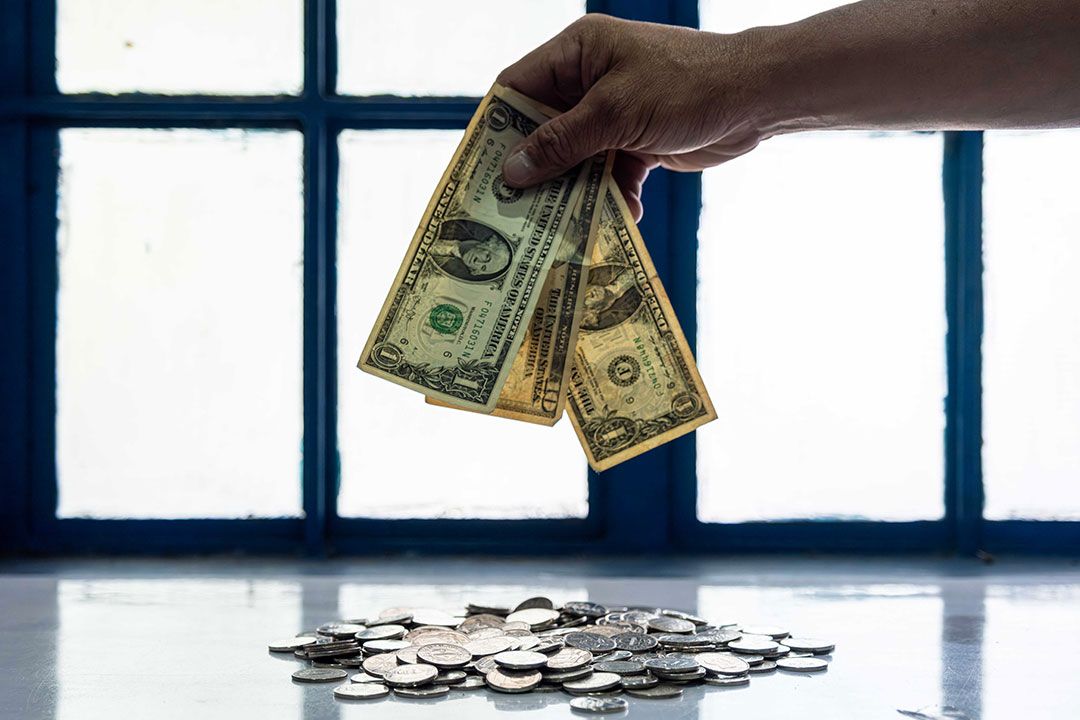
The peso slumped on Tuesday to close near its record low as the intensifying Middle East conflict’s impact on global oil prices raised fresh inflation fears and triggered safe-haven demand for the dollar.
The currency dropped by 5.9 centavos to close at PHP 61.745 versus the greenback from PHP 61.686 on Monday, based on data on the Bankers Association of the Philippines’ website. This was its worst close in nearly two months or since it ended at PHP 61.746 on June 1.
The peso opened Tuesday’s session a tad weaker at PHP 61.69 versus the greenback. Its high was at P61.68, while its trough was its all-time-low of PHP 61.75. This level was last touched intraday on June 4, while the currency last closed at this value on May 19.
Dollars exchanged went up to USD 752.5 million from USD 670.5 million previously.
The peso touched its record low on Tuesday as the latest round of attacks in the Middle East brought global oil prices back to USD 88-per-barrel levels, renewing fears of higher inflation and resulting interest rate hikes, a trader said by phone.
The peso sank as the recent climb in global crude oil prices drove safe-haven demand for the dollar, Rizal Commercial Banking Corp. Chief Economist Michael L. Ricafort said in a Viber message.
For Wednesday, both the trader and Mr. Ricafort said the peso could stay under pressure and test new lows. The trader expects the peso to range from PHP 61.50 to PHP 62 against the greenback, while Mr. Ricafort sees it moving between PHP 61.60 and PHP 61.80.
The US dollar ticked lower on Tuesday as markets balanced conflicting signals from the Middle East against lingering optimism from softer US inflation data last week, Reuters reported.
The euro rose 0.09% against the dollar to $1.1424 while the yen declined 0.09% against the dollar to 162.63 yen.
The moves highlight the risks that markets are grappling with as they attempt to price in the latest developments in the Middle East.
The US military has struck Iran for 10 straight nights, reigniting tensions and prompting investors to dial back hopes that the conflict would end soon. That kind of escalation typically drives flows into havens such as the dollar.
At the same time, efforts to find a diplomatic solution remain active. A senior Iranian official told Reuters on Monday that Tehran had received a proposal from mediators for a 10-day ceasefire.
The lack of clarity on where the conflict is headed has left the dollar in limbo, with investors lacking conviction to place significant bets.
However, questions over where prices go from here persist, as the outlook for global inflation hinges on how soon shipping through the Strait of Hormuz returns to normal and oil markets stabilize.
Brent crude futures dipped 1.1% on Tuesday but have jumped nearly 21% this month.
The US dollar index, which measures the currency against a basket of six peers, dipped 0.05% to 100.9 after hitting its highest since July 15 in the previous session. — Aaron Michael C. Sy with Reuters
This article originally appeared on bworldonline.com