


NG debt dips to PHP 18.47T at end-April
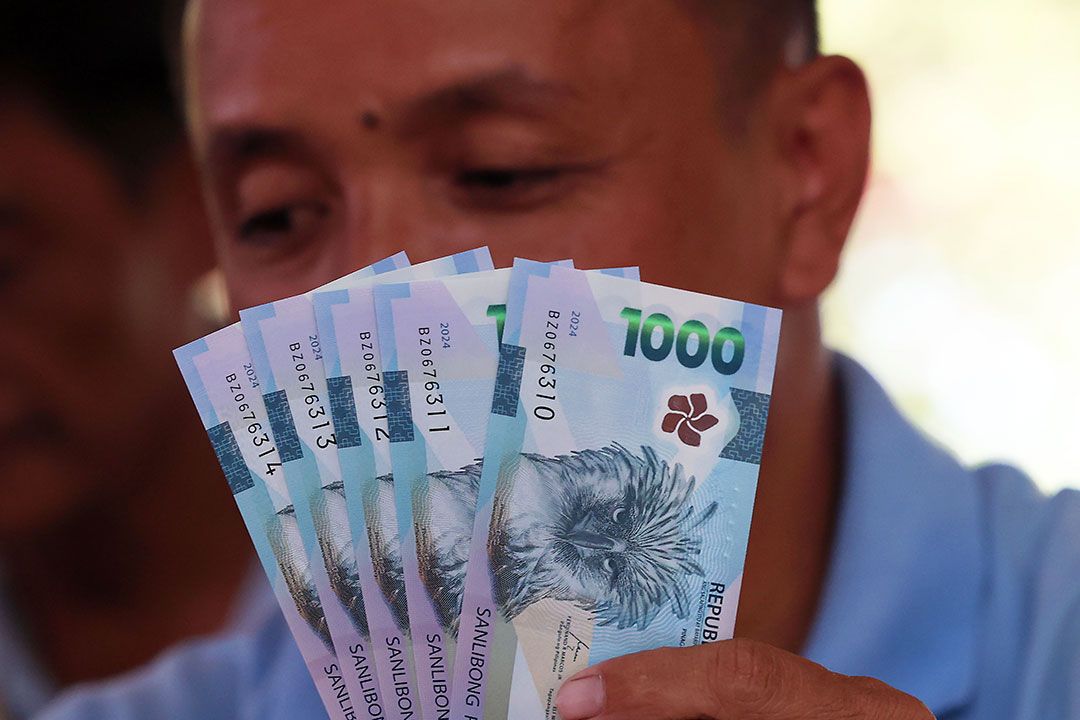
National government (NG) debt dipped month on month in April as domestic debt repayments outweighed the impact of a weaker peso on external obligations, the Bureau of the Treasury (BTr) said.
Latest data from the Treasury showed that the debt slipped by 0.09% to PHP 18.47 trillion from the PHP 18.49 trillion end-March level.
“The decline in debt was primarily driven by the government’s repayment of domestic securities, which more than offset the impact of peso depreciation against the US dollar on foreign currency-denominated obligations,” the BTr said on Tuesday.
Year on year, outstanding debt went up by 10.25% from PHP 16.75 trillion at end-April 2025.
NG debt is the total amount owed by the Philippine government to creditors such as international financial institutions, development partner-countries, banks, global bondholders and other investors.
The bulk or 67.22% of the total debt stock came from domestic sources, while the rest were from external sources.
Domestic debt, which was composed of government securities, slid by 0.95% to PHP 12.42 trillion at end-April from PHP 12.53 trillion at end-March.
According to the BTr, the month-on-month decline in domestic debt was “mainly due to the PHP 121.64-billion net redemption for the month, as PHP 283.24 billion in debt issuance was offset by maturities of PHP 404.88 billion.”
“A PHP 2.46-billion valuation increase in the peso equivalent of foreign currency-denominated domestic securities from peso depreciation partially tempered the decline,” it added.
According to the Treasury, the peso had weakened to PHP 61.54 as of end-April versus the dollar from PHP 60.678 as of end-March.
Year on year, domestic debt jumped by 7.12% from PHP 11.59 trillion in the same period.
Meanwhile, external debt rose by 1.71% to PHP 6.06 trillion as of end-April from PHP 5.95 trillion at end-March.
Year on year, it jumped by 17.3% from PHP 5.16 trillion in the same period.
The Treasury said the increase was mainly due to the depreciation of the peso as the value of foreign currency-denominated obligations increased by PHP 101.72 billion. Net redemptions amounted to PHP 80 million.
External debt was composed of PHP 3.06 trillion in global bonds and PHP 3 trillion in loans.
The NG’s guaranteed obligations inched up by 0.48% to PHP 383.23 billion as of end-April from PHP 381.41 billion in the previous month.
“The increase was driven by the effect of peso depreciation and third-currency movements on the valuation of external guarantees amounting to PHP 1.25 billion and PHP 620 million, respectively,” the BTr said.
“Meanwhile, repayments made by National Home Mortgage Finance Corp. and National Power Corp. reduced domestic guaranteed operations by PHP 0.05 billion.”
Year on year, guaranteed obligations jumped by 13.53% from PHP 337.54 billion.
The NG’s outstanding debt is projected to reach PHP 19.06 trillion by end-2026 under the Budget of Expenditures and Sources of Financing 2026.
Under the Philippine Development Plan 2023-2028 Midterm Update Results Matrices posted on May 20, the government expects the debt-to-gross domestic product (GDP) ratio at 60-63% in 2026.
In the first quarter, the debt-to-GDP ratio climbed to 65.2%, the highest annual level since 65.7% in 2005.
Outlook
However, the month-on-month decline in outstanding debt may prove temporary as slower economic growth could make it harder for the government to improve revenue collection, according to a former central banker.
“It would be a big challenge for NG to sustain the decline because economic growth is not exactly spectacular. With the slowdown, higher revenue generation would be a tall order,” GlobalSource Partners Principal Advisor Diwa C. Guinigundo told BusinessWorld.
He added that the government should continue exercising fiscal discipline and improve budget utilization to prevent leakages that could widen the fiscal deficit and add to debt.
Mr. Guinigundo also cautioned against reading too much into the April decline, noting that monthly debt movements are often driven by scheduled repayments and valuation effects.
“For April, it was reported that there was some net repayment on debt securities as scheduled. The dip, however, was undoubtedly small although higher than the impact of the peso depreciation on the external component of the NG debt,” he added. — Justine Irish D. Tabile, Senior Reporter
This article originally appeared on bworldonline.com