


Dollar on back foot as US yields, crude prices dip; Aussie buoyed by hawkish RBA
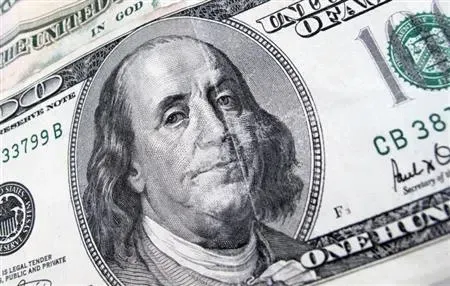
TOKYO - The US dollar remained under pressure on Wednesday after slipping to a three-week low in the previous session, as a dip in Treasury yields and crude oil prices reduced the currency’s appeal.
The Australian dollar hovered close to a three-week high against the greenback with Reserve Bank of Australia Deputy Governor Andrew Hauser saying at a Citi conference that the inflation outlook looked "materially worse", leaving him unsure whether the central bank would need to further raise its policy interest rate next month.
The Aussie rose 0.1% to USD 0.7013, just below the previous day’s high of USD 0.7017.
The US dollar index, which measures the currency against six peers, was steady at 101.78 after declining 0.2% on Tuesday.
Investors have turned to the greenback as an investment haven amid market volatility brought about by war in the Middle East and AI frenzy, partly due to the currency's energy independence.
Oil prices eased overnight after touching a five-month high as traders weighed a meeting between the Iranian president and Pakistan's army chief, a US-Iran mediator, against continued Houthi attacks on Saudi infrastructure and reports of vessel attacks in the Gulf.
Meanwhile, Wall Street posted a solid session as technology earnings season got underway with SpaceX results. Japan's Nikkei and South Korea's KOSPI rallied on Wednesday.
"With equity market sentiment and the growth outlook closely tied to the performance of the major tech firms, their earnings results can have a large bearing on the USD," Carol Kong, economist and currency strategist at Commonwealth Bank of Australia, wrote in a client note.
Amid a “mixed” performance among traditional haven assets this year, "the USD has been the clear standout," she said. "Safe haven demand for the USD is likely to fade once the Middle East conflict ends and energy prices retreat. However, we expect the USD to trend modestly higher in coming months as foreign capital inflows into US markets increase."
The greenback was little changed at 158.33 yen, and was steady at USD 1.1229 per euro and USD 1.33735 versus sterling.
Still, traders remained wary of the euro as France tackles widespread anti-government protests and a worsening fiscal picture.
France will reinforce police with troops and mount a huge security operation for more protests planned on Saturday, the government said on Tuesday, acknowledging failures in its response to violence last weekend.
Among central banks, the US Federal Reserve, European Central Bank and Bank of Japan announce policy decisions on consecutive days starting next Wednesday. Traders do not expect changes in interest rates at any of those meetings.
The Reserve Bank of New Zealand and Bank of Canada decide policy on the same day as the Fed, with traders betting on quarter-point hikes by both.
The New Zealand dollar slipped 0.1% to USD 0.5677 on Wednesday, while Canada's loonie was steady at C$ 1.4064.
(Reporting by Kevin Buckland; Editing by Christopher Cushing)
This article originally appeared on reuters.com