


El Niño threat driving buildup of food stocks, storage capacity
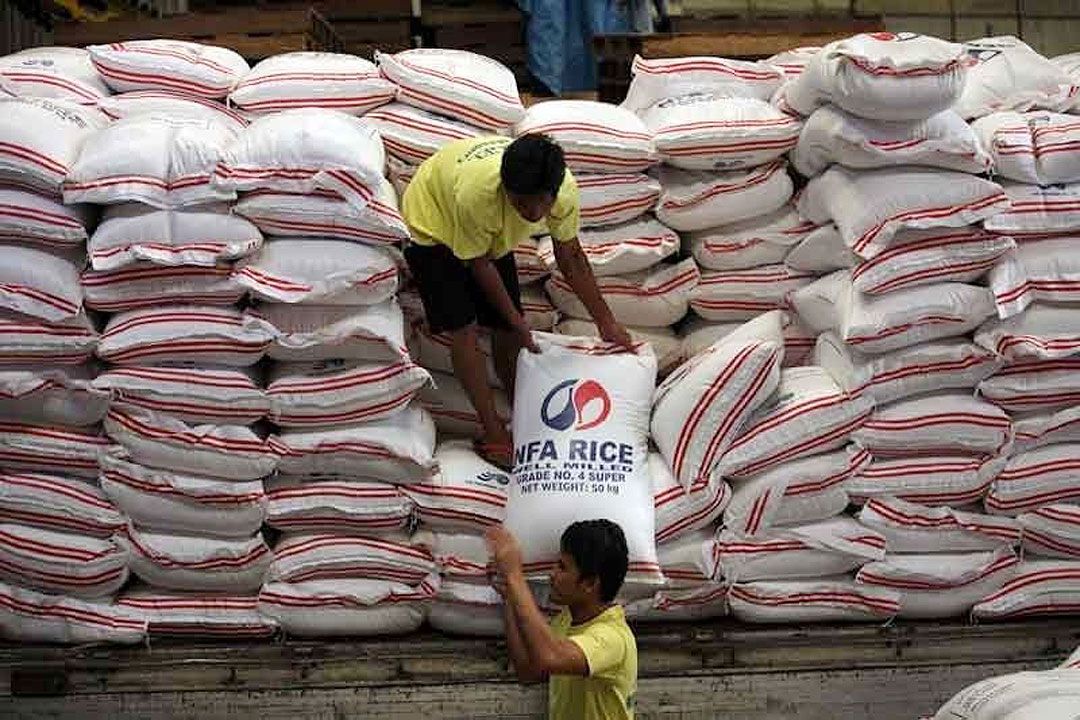
The Department of Agriculture (DA) said its preparations for the El Niño include building up stocks of food and farm inputs, as well as expanding the warehousing network.
Agriculture Secretary Francisco P. Tiu Laurel, Jr. said Thursday that DA is better prepared than in the last El Niño, which was taking hold at the time he joined the government in November 2023.
“We are now more prepared,” Mr. Laurel said, noting the DA’s advance purchases of rice, fertilizer, and other agricultural inputs.
The government has also given the DA an additional PHP 6.2 billion for fuel subsidies and other assistance to aid farmers, fisherfolk, and haulers of agricultural products to cope with higher fuel costs triggered by the conflict in the Middle East.
The DA is shifting to foliar and soil ameliorants, including bio-based, non-urea products, while tailoring interventions to local conditions, Mr. Laurel said, adding that El Niño does not mean all areas will be dry, and some places may receive excessive water.
The DA plans to increase fertilizer application and seed intensity in areas where conditions warrant. “At the end of the day, we are looking at the worst-case scenario, so we expect that overall production will still be lower,” he said.
El Niño is expected to affect fisheries, livestock, and crops, shaving off around 700,000 metric tons from the projected palay output during the main harvest in the second half of the year.
To build a bigger food buffer, the National Food Authority now has 365 active warehouses, up from around 300, after renting an additional 165 facilities.
Mr. Laurel said the expanded network includes silos and other warehouses, which should help the country ride out potential supply disruptions. New cold storage facilities will also be opened to extend the shelf life of meat and vegetables.
Cloud seeding has also begun in drought-hit areas, including Isabela and Negros.
Mr. Laurel said the DA would deploy seeding when cloud formations have enough moisture to generate rain. “We will do anything that is needed to help the situation,” he said.
Mr. Laurel said the DA continues to work with the Office of the President, which oversees the irrigation program. He said recent heavy monsoon rains have replenished major dams, giving irrigated areas a potentially adequate buffer for the next planting season.
Full reservoirs provide some breathing room, Mr. Laurel said, but the last El Niño made clear that preparation must come well before the drought peaks. — Moureen Ylessandra B. Dizon
This article originally appeared on bworldonline.com