





 DOWNLOAD


Metrobank US-Iran Risk Index: A shut down
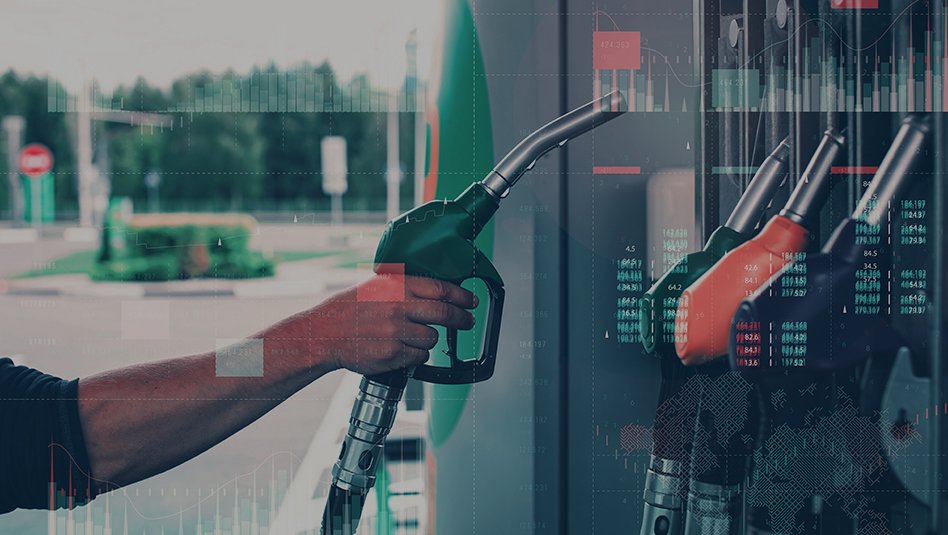
Iran keeping the Strait of Hormuz closed only adds pressure to oil prices globally.
 By Metrobank Research, Investment Counselor Department


Our US-Iran Risk Index settled at 136.1 on March 12, 2026, 7.4% higher than the previous day. This marks the index’s highest level since the conflict first began.
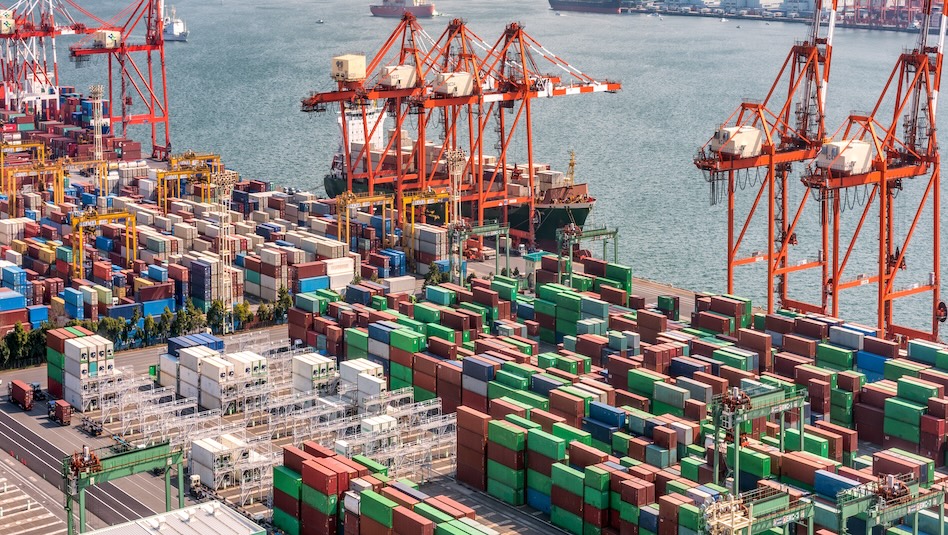
Iran’s new Supreme Leader Mojtaba Khamenei issued his first statement since his appointment, making it very clear that he will not concede in the conflict against the US and Israel. To add more pressure, he said that Iran will continue to block the Strait of Hormuz, a shipping route which 20% of the world’s oil passes through.
Oil prices rose by over 9% as a result, with Brent crude ending the trading day just above USD 100 per barrel, its highest closing price since 2022. Rising inflation expectations have also led to the 10-year US Treasury yield to rise. Meanwhile, investors have continued to flock to the US dollar as a safe haven asset, leading to the US dollar index’s strongest level in the past month.
Upside oil risks are unlikely to ease in the near future as neither side of the conflict shows any intention to back down. As long as global oil supply remains constricted, markets will likely continue to price in these elevated risks across assets moving forward.
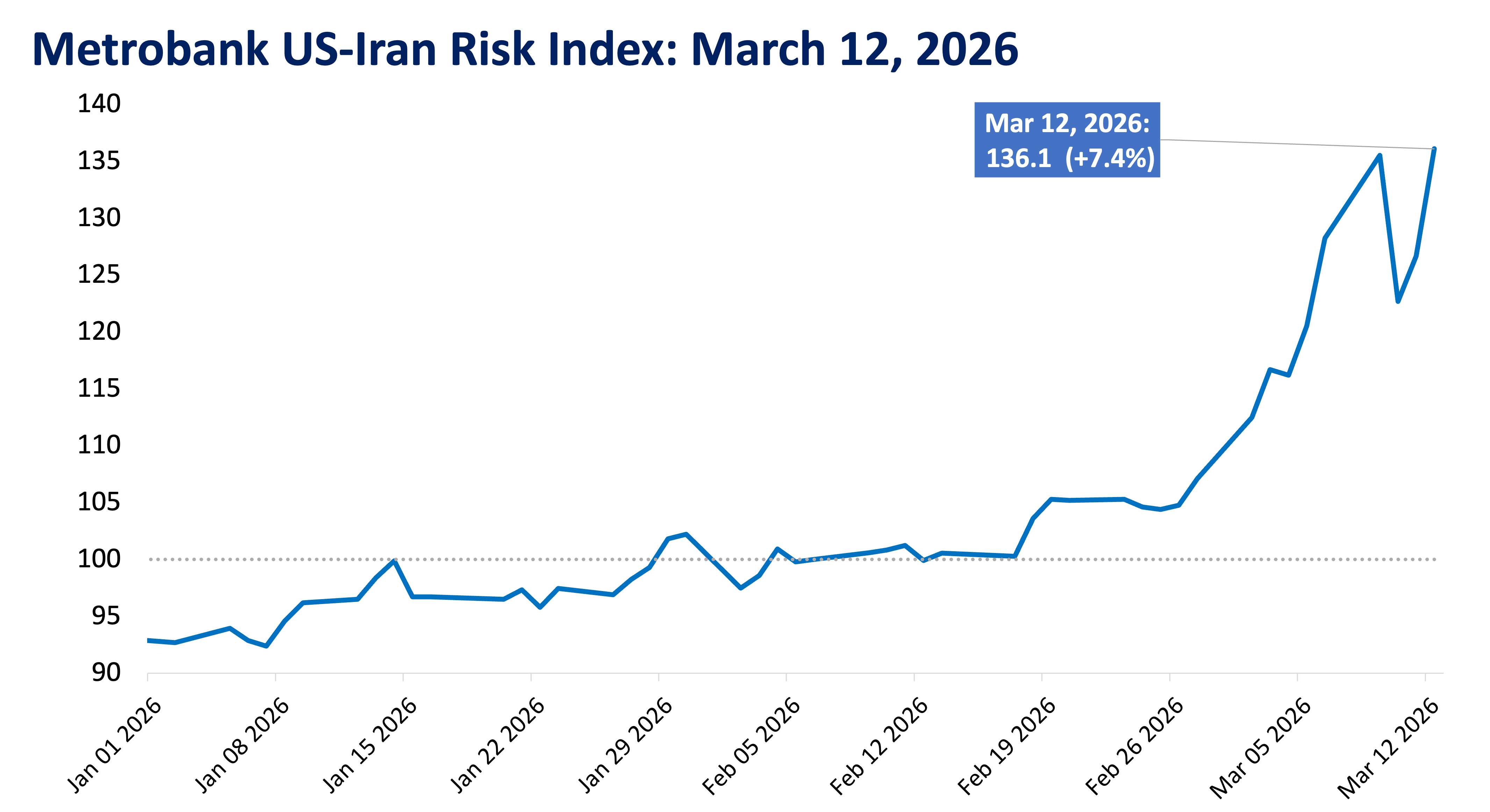
Metrobank Research’s US-Iran Risk Index measures the amount of risk that the ongoing conflict presents to financial markets. It considers the general risk sentiment of investors and inflationary pressures brought on by the conflict. A value of 100 denotes a normal level of risk based on market levels prior to the conflict’s escalation, while values greater than 100 imply increasing levels of risk.
What now?
| | ||
|---|---|---|
| Asset Class | Outlook | Strategy |
| Local Fixed Income | Bearish | Stay defensive on duration and focus on short‑to‑belly tenors with good liquidity. Add positions only during yield spikes or market dislocations. Avoid aggressive moves until geopolitical risk premiums ease. |
| Local Equities | Bearish | Expect bargain-hunting of cheaper names in the near term. However, gains may remain capped amid oil volatility and developments in the Middle East. Buy on dips and take profit in rallies. |
| Global Fixed Income | Bearish | Position in short-dated (up to 5 years) quality bonds as inflation fears push yields upwards. Expect volatile swings as headlines drive market sentiment amid uncertainty. |
| Global Equities | Neutral | Maintain a defensive approach by prioritizing high dividend sectors while taking advantage of volatility to accumulate select quality-growth names. |
| USD/PHP | Bullish | Buy US dollars on dips or close to support levels at 59.40 and 59.00. Oil prices and safe-haven flows will pressure the peso, though positive news that affect local and global inflation expectations offer potential relief. |
| G10 Currencies / US Dollar | Bearish | The latest bout of volatility has validated the US dollar’s safe-haven status yet again. Continued conflict will favor the US dollar, but G10 currencies will recover once risk sentiment improves. Domestic factors will determine the scale of impact on FX rates. |
| Gold | Bullish | While initially reaching highs of USD 5,400 per troy ounce on safe-haven demand, gold has pared gains after higher oil prices sparked expectations of higher US inflation, delayed US Fed rate cuts, and a stronger US dollar. Still, the precious metal continues to be supported at the USD 5,000 / USD 5,100 level. Our long-term view is steady price appreciation as global central banks purchase gold to diversify reserves beyond the US dollar and US Treasuries. |
(Disclaimer: This is general investment information only and does not constitute an offer or guarantee, with all investment decisions made at your own risk. The bank takes no responsibility for any potential losses.)