





 DOWNLOAD


How should I do a portfolio review before the year ends?
Year-end reviews are mirrors to some aspect of your life. They are useful, too, with your portfolio
 By Earl Andrew A. Aguirre



As the year draws to a close, it’s the perfect time for investors of all levels to evaluate their investment portfolios. A year-end review helps you understand how your investments performed, whether your goals are still on track, and how to position yourself for the year ahead.
Here’s a step-by-step guide to conducting a thorough portfolio review.
1. Revisit your investment goals.
Start by revisiting your original objectives. Ask yourself:
- Are you investing for retirement, a major purchase, or your child’s education?
- Have your goals changed due to life events, such as a new job, marriage, or unexpected expenses?
- Did market conditions prompt you to rethink your risk tolerance or time horizon?
Adjust your goals if needed to ensure your portfolio continues to reflect your current needs and aspirations.
2. Measure your portfolio’s performance.
Next, evaluate how your portfolio performed in the past year. Compare your returns against key benchmarks at the start of the year.
Here are some you should track:
Equity Indices (year-to-date return)
- Philippine Stock Exchange index
- S&P 500
These two indices track the top 30 Philippine companies and the top 500 US companies by market capitalization, respectively. How do they compare to the equities portion of your portfolio? Are you invested in stocks and funds that aim to mimic their performance, or are you trying to outperform them?
Fixed Income Markets (change in basis points)
- Peso Government Securities
- US Treasury Securities
Try to calculate the average remaining tenor of the fixed income securities in your portfolio. It could be short-term (less than 1 year), medium-term (2 to 5 years), or long-term (more than 5 years). Then compare the average yield against the benchmark peso government securities and US Treasury securities of similar tenors. Are your holdings yielding higher or lower than the rest of the fixed income market?
Currency Pairs (year-to-date return)
- USD/PHP
- Other currencies you may have
If you originally purchased foreign currency to invest in global assets, it would be prudent also to assess how much they are worth in Philippine peso terms. Are your assets worth more compared to the beginning of the year? By how much? Or are they worth less?
3. Plan for the year ahead.
Set expectations for the coming year based on the latest economic outlook.
Take note of forecasts for this year and the following year. These should include:
- Average real gross domestic product (GDP)
- Average inflation
- Yearend dollar-peso exchange rate
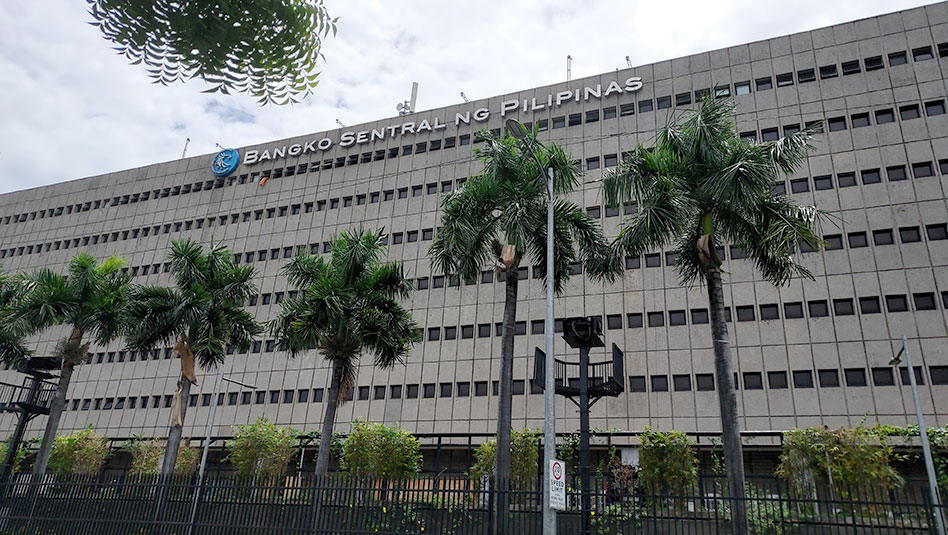
- Yearend policy rate of the Bangko Sentral ng Pilipinas
- yearend US Federal Reserve policy rate
The GDP may reflect challenges and opportunities that the government can act on or pursue. Be mindful that slower GDP growth could potentially limit foreign inflows, as investors look for other emerging market (EM) economies with a better risk-reward payoff.
Inflation is also important. It is one of the factors considered when central banks decide on policy rates, which also affect your assets. For example, lower central bank rates can further reduce short-term borrowing costs for the private sector and households, thereby spurring spending and stimulating economic growth.
It is the same with US Federal Reserve policy rates. They affect global assets and funds you may have. Given that the US is home to many market leaders, particularly in technology, lower interest rates may attract even more investors into the US equities market.
Lower central bank interest rates can potentially support bond prices, as investors rush to purchase long-term bonds before new bonds are issued at lower coupon interest rates. However, it is also important to know the government’s fiscal strategy. If greater government spending requires more long-term bonds to be issued, then long-term rates could remain elevated even as short-term rates ease.
As for the dollar-peso exchange rate, it may feed into higher prices of foreign goods and affect both businesses and households. On the other hand, a weaker peso could potentially increase the value of your global investments, in peso terms.
4. Analyze asset allocation.
After measuring your current portfolio’s performance and considering economic forecasts that will most likely affect investment performance next year, it’s time to analyze the mix of stocks and bonds in your portfolio.
In another article, we talked about building a balanced portfolio. A balanced approach helps manage risk and capture growth opportunities in different asset classes.
Strategies may differ for your local portfolio and global portfolio depending on market conditions and your risk profile, whether conservative or aggressive. Should you have more equities in your portfolio? Or should you invest more in fixed income?
5. Evaluate individual holdings.
To maximize returns and manage risk effectively, assess each security in your portfolio by focusing on strategic calls you have decided on or which your investment specialist recommended.
- Peso Fixed Income: Which government securities should you favor? What maturities and returns?
- Global Fixed Income: Which global investment-grade issuers should you favor? At what maturities?
- Philippine Equities: Is it wise to focus on defensive, dividend-paying stocks? Or should you go for cyclical stocks?
- Global Equities (US): Is it advisable to stay neutral on the S&P 500 but remain bullish on US technology?
- Global Equities (diversification): Which stock markets should you consider increasing your exposure in? Are there new opportunities brewing in Asian equities?
6. Consider your rebalancing strategy.
Finally, once your review is complete, you must execute the rebalancing strategy to bring your current portfolio weightings in line with your ideal asset allocation and strategic preferences:
- Identify deviations: Identify over- or underweight positions in your portfolio. This involves comparing your current holdings against the strategic allocations determined in the previous sections.
- Strategic additions: Add securities that fit your target allocation and strategic preferences. For instance, you may add more to local investments and other growing global markets like Japan and China.
- Targeted reduction: Reduce holdings in areas that exceed your risk tolerance or no longer match your goals. This may include partially taking profit on global investments and reducing overconcentration in US equities.
Remember that regular rebalancing ensures your portfolio stays on track, adapts to market changes, and supports your financial objectives.
If you wish to start your wealth journey with us, please go to any Metrobank branch.
(Disclaimer: This is general investment information only and does not constitute an offer or guarantee, with all investment decisions made at your own risk. The bank takes no responsibility for any potential losses.)
EARL ANDREW “EA” AGUIRRE is the Head of the Investment Counselor Department under the Financial Markets Sector of Metrobank. He has more than a decade of experience in foreign exchange, fixed income securities, and derivatives sales. He has a Master’s in Business Administration from the Ateneo Graduate School of Business. His interests include regularly traveling to Japan and learning its language and culture.