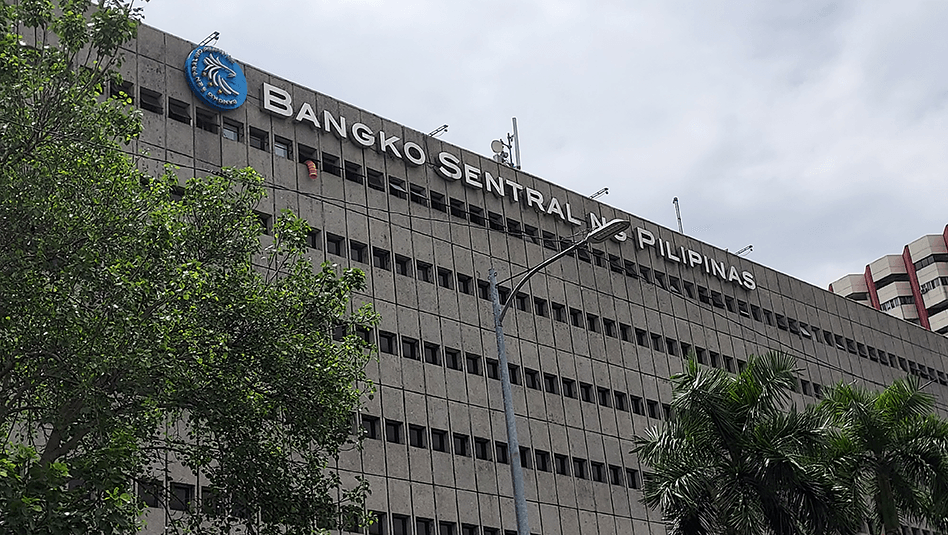
How does the central bank ensure financial stability?


Central banks and governments play different but complementary roles in managing the economy. Governments use fiscal policy—spending, taxation, and borrowing—while central banks rely on monetary policy to manage inflation, liquidity, and financial stability. While mandates differ across countries, the common objective is maintaining conditions that support sustainable growth.
In the Philippines, the Bangko Sentral ng Pilipinas (BSP) focuses primarily on price stability. Other central banks, such as the US Federal Reserve, also consider employment conditions. To achieve their goals, central banks rely on a set of tools that influence interest rates and liquidity across the financial system.
The most visible policy tool is the benchmark interest rate quoted in headlines. It serves as a signal of how accommodative or restrictive monetary conditions are.
The BSP operates an Interest Rate Corridor system, under which the policy rate—known as the target reverse repurchase (RRP) rate—anchors short‑term market rates. Around it sit two facilities: the overnight lending facility, which allows banks to borrow if they are short on liquidity, and the overnight deposit facility, which absorbs excess funds when liquidity is ample. Together, these tools help guide market rates and influence borrowing, saving, and spending decisions in the economy.
Another important, though less visible, tool is the reserve requirement ratio (RRR). This determines the portion of bank deposits that must be held as reserves and cannot be lent out.
Adjustments to the RRR affect how much liquidity banks can deploy. Lowering reserve requirements allows more funds to circulate and support lending, while higher requirements can restrain excessive credit growth. During periods of economic stress, such as the pandemic, the BSP used reserve‑related measures to bolster the financial system and support lending activity.
Central banks may also participate in foreign exchange markets to smooth excessive volatility. This typically involves buying or selling foreign currency to influence exchange-rate movements.
The BSP maintains a market‑driven exchange rate framework and intervenes only when needed to prevent disorderly conditions. Such actions are often reflected indirectly in changes in the country’s gross international reserves. The goal is not to defend a specific exchange rate level, but to promote stability during periods of sharp fluctuation.
Central banks routinely use open market operations—buying or selling government securities—to manage liquidity and influence short‑term rates.
During the pandemic, many central banks pumped money into the financial system by purchasing large amounts of government bonds and securities, commonly referred to as quantitative easing.
When economic conditions normalize or inflation risks rise, central banks may do the opposite through quantitative tightening by selling securities or letting them mature. This removes money from the financial system and helps cool the economy.
Beyond these core tools, the BSP makes use of facilities such as term deposits, BSP securities, the discount window, and emergency liquidity mechanisms. These instruments help fine‑tune liquidity conditions and ensure the smooth functioning of the financial system during periods of stress.
In practice, central banking is not about relying on a single instrument. It involves calibrating multiple tools in response to evolving domestic and global conditions. For investors, understanding how these mechanisms work provides useful context for interpreting policy decisions—without overreacting to any single headline.
ANNA DOMINIQUE CUDIA, MBA, CSS, oversees Metrobank’s Macro Research Department, steering macroeconomic and financial market analyses for clients. She previously led the Markets Research Department of Metrobank’s Trust Banking Group and was part of Investor Relations, supporting multi-billion peso and US dollar capital-raising initiatives. She holds an MBA in Finance, with distinction, from the University of London, and industry certifications in finance. Outside of work, she enjoys travel and exploring new perspectives.