


Economy2 MIN READ
Slow rate cuts and quicker growth lie ahead for Philippines
Metrobank Research expects BSP’s measured policy rate cuts to fully make an impact from next year.
October 29, 2024 by Metrobank Research
Share this article:
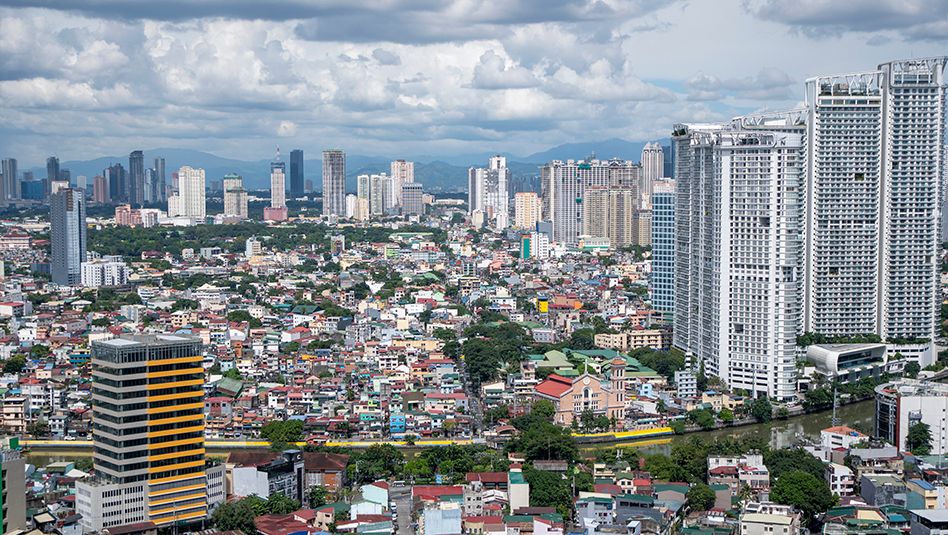
Against a backdrop of slowing inflation and measured monetary easing by the Bangko Sentral ng Pilipinas, the Philippine economy should pick up pace this quarter and the following quarters.
The annual consumer-price increase slowed to an over four-year low in September. Food costs are expected to continue weighing down on inflation, while the Philippines still has space to absorb recent oil-price hikes before direct inflationary pressure materializes.
Monetary authorities cut the policy rate by another 25 basis points on October 16. Barring significant curveballs, similar decreases at succeeding rate-setting meetings are in the cards. Eyes should be locked on geopolitical tensions in the Middle East stoking oil-price volatility and unfavorable weather conditions disrupting food supply.
We expect BSP’s reverse repurchase rate to settle at 5.75% at the year’s end, decreasing further to 4.75% in 2025 and to 4.25% in 2026.
Read more:
Although the BSP’s monetary easing has begun, the full impact of lower borrowing costs on consumption and investment spending has yet to take effect at the beginning of next year. We expect GDP to grow at 6.2% for the full-years 2025 and 2026, accelerating from an estimated 5.7% expansion this year.
Elsewhere, we foresee the US Federal Reserve carrying out a deeper rate reduction than the BSP at least for this year. The USD/PHP pair will be chiefly influenced by seasonal foreign-exchange flows — with a bevy of funds for bonuses of outsourcing firms’ staff and remittances from overseas workers coming in the fourth quarter.