


Economy3 MIN READ
Inflation, energy shocks dampen PH business confidence
As energy shocks freeze expansion plans, corporate sentiment has plunged to a new low.
June 4, 2026 by Sophia Bonifacio
Share this article:
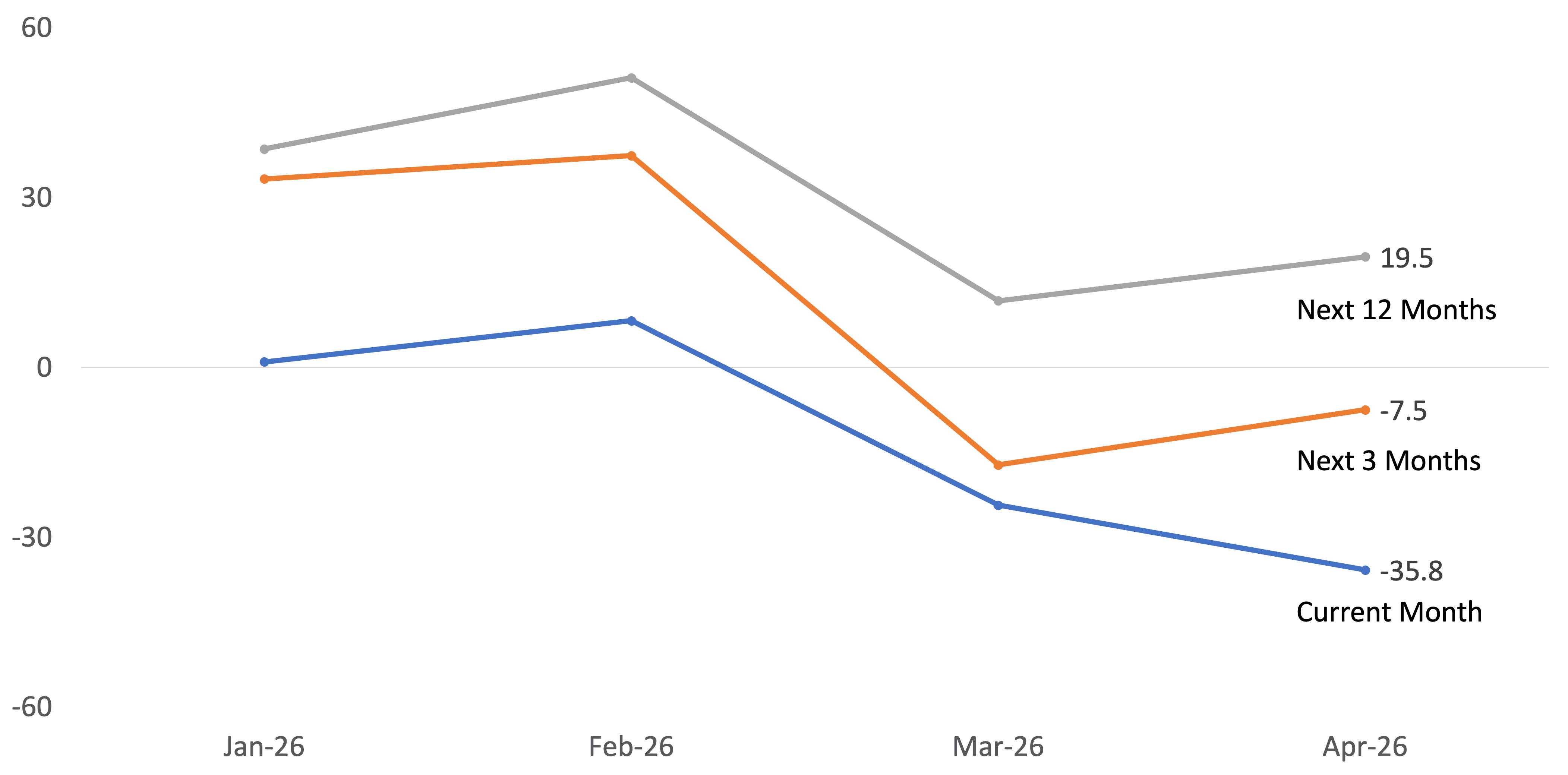
Philippine corporate sentiment has taken a sharp hit as global geopolitical pressures filter into the domestic market. According to the Bangko Sentral ng Pilipinas (BSP), local firms' confidence index (CI) plummeted to -35.8 in April 2026, down from -24.3 the previous month.
This negative territory denotes that pessimists heavily outnumber optimists, highlighting a corporate landscape burdened by structural concerns.
Source: Bangko Sentral ng Pilipinas
The primary driver behind this downturn is the ongoing Middle East conflict, specifically the escalating strikes between the US and Iran.
This has triggered a massive global energy shock, driving local inflation to a staggering 7.2% year-on-year in April 2026, which is the highest level seen since 2023. The consequences are skyrocketing operational costs for businesses and severely eroded purchasing power for everyday consumers.
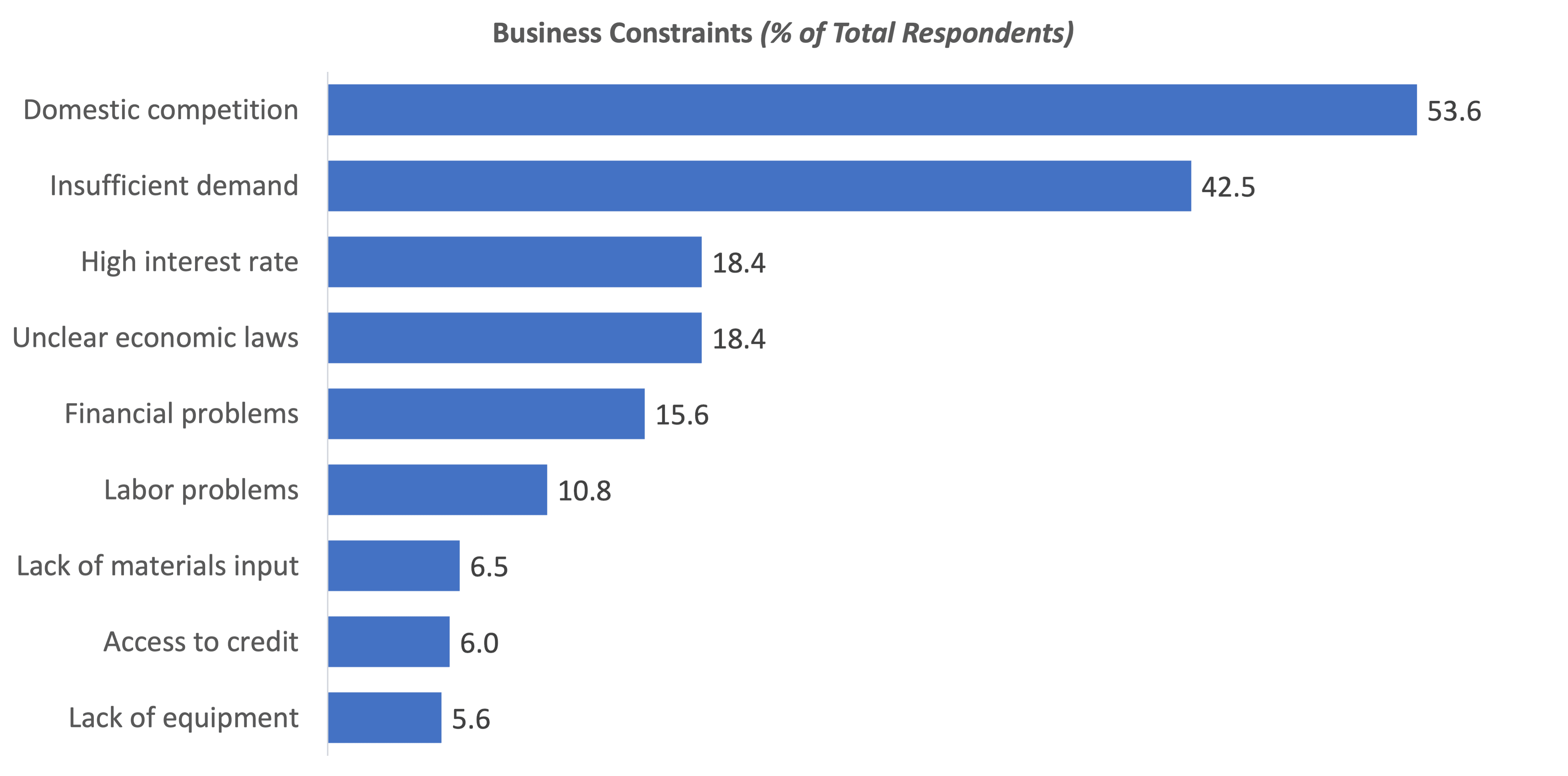
Faced with steep domestic competition, insufficient demand, and a declining volume of orders, businesses are freezing expansion. Only 19% of industry firms plan to expand in the year ahead, a sharp decline from 30.7% last month.
In response to rising inflation, the BSP began tightening monetary policy with a 25-basis-point (bp) hike in April, adding pressure on near-term corporate activity.
Source: Bangko Sentral ng Pilipinas
While the three-month outlook provides modest relief, supported by seasonal demand from school-related spending that could boost loan financing and apparel, underlying economic issues continue to linger. Inflation is expected to further rise in the months ahead, driven by secondary price effects from high energy costs.
Because of this, the BSP is expected to implement more rate hikes this year. Domestic vulnerability will likely weaken the local currency further, with the peso projected to slide further by yearend.
With corporate profits being squeezed and foreign institutional investors remaining heavy net sellers, unloading USD 230.49 million year-to-date, the Philippine Stock Exchange index faces a difficult recovery. For investors, a defensive strategy focused on capital preservation is a prudent move, both for fixed income and equities.
In the fixed income space, persistent volatility is expected even as geopolitical tensions occasionally subside. As domestic inflation concerns remain elevated, investors should avoid locking into long-term bonds, capturing high yields without taking on too much risk.
For equity portfolios, highly consumer-dependent sectors are vulnerable as household budgets tighten and profits take a hit. Investors should rotate into non-cyclical, defensive sectors in this macroeconomic backdrop, providing stable cash flows amid economic weakness.
SOPHIA THERESE “PIA” BONIFACIO is a Research Officer at Metrobank, covering local and offshore macroeconomic research. She obtained her Bachelor’s degree in Economics with a Specialization in Financial Economics, cum laude, from the Ateneo de Manila University and is a Certified UITF Sales Person (CUSP). Pia enjoys long road trips and loves a good cup of hojicha latte.