





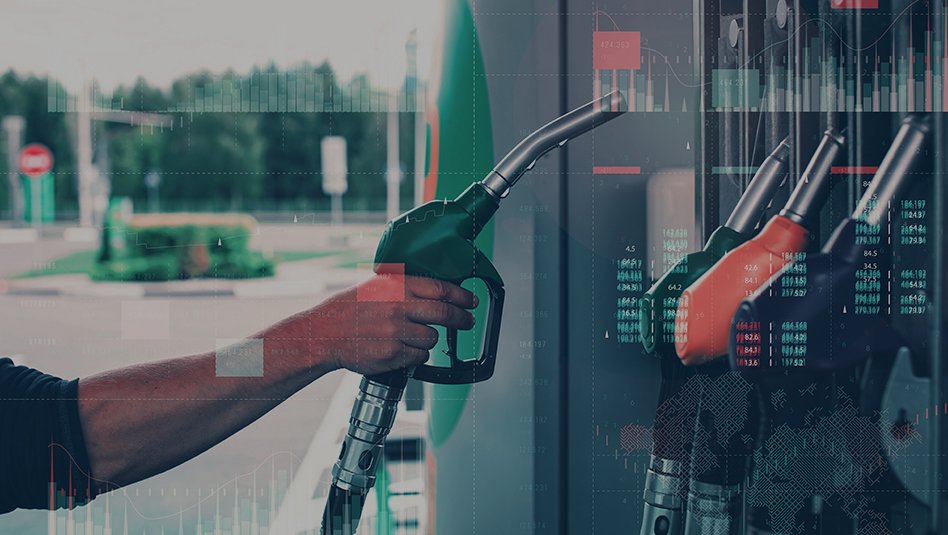
Inflation Update: Nowhere but up
 DOWNLOAD
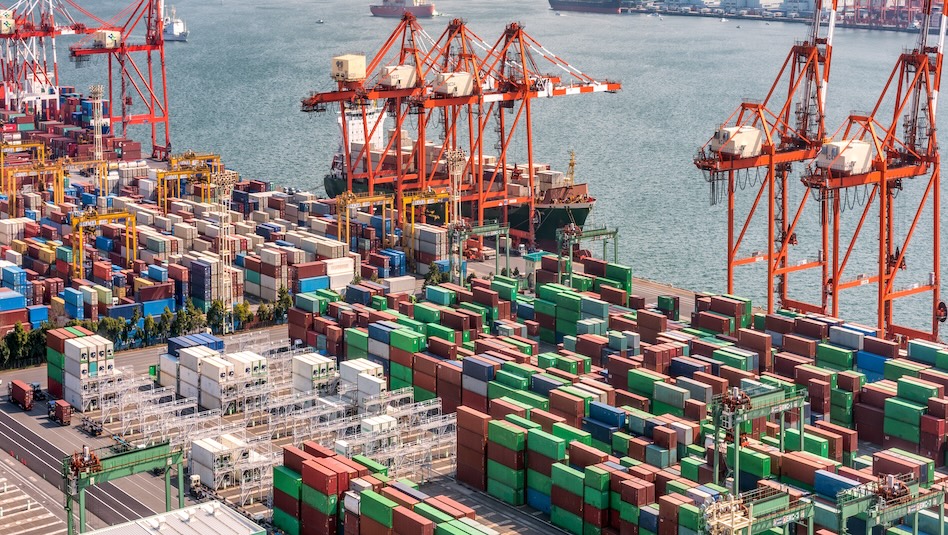
Philippines Trade Update: Imports weaken on tepid demand
DOWNLOAD
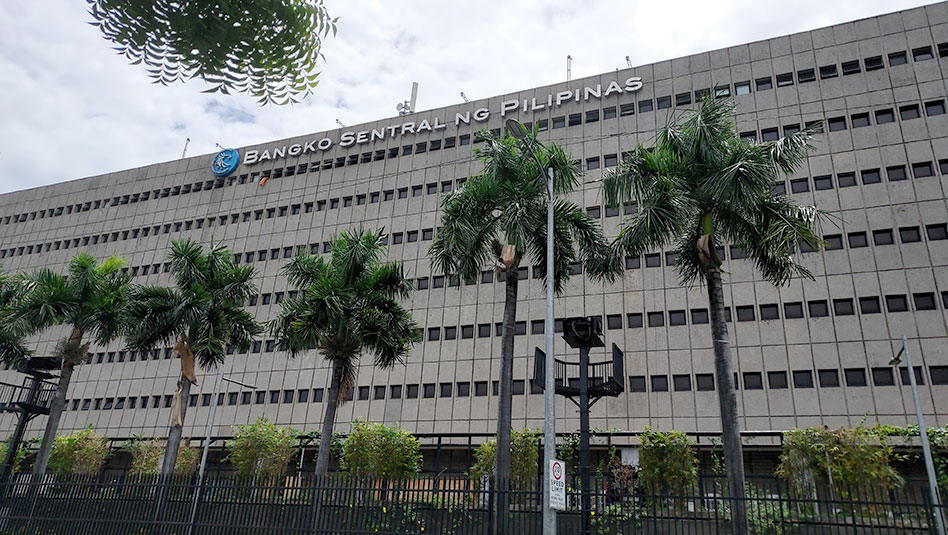
Policy Rate Updates: BSP outlook — cloudy with a chance of rate cut
DOWNLOAD


Oil prices go up but bigger hikes likely next week
 By BusinessWorld


Oil prices are set to further rise next week amid supply disruptions due to the escalating conflict in the Middle East, Energy Secretary Sharon S. Garin said.
This comes as fuel retailers announced pump price hikes of over PHP 1 per liter, which were scheduled to take effect on Tuesday.
Ms. Garin said fuel prices are really expected to spike due to the US-Iran conflict.
“Prices will really go up. I will not sugarcoat that. Even if you say that oil imports are arriving, prices will still rise because of that tension. The stress in the market will push the price higher until it stabilizes. So, we need to expect that,” she said in a radio interview on DZMM on Monday morning.
Seaoil Philippines, Inc., Shell Pilipinas Corp., Petron Corp., Chevron Philippines, Inc. (Caltex), Jetti Petroleum, Inc., and PTT Philippines Corp. announced an increase in gasoline prices by PHP 1.90 per liter, diesel by PHP 1.20 per liter, and kerosene by PHP 1.50 per liter, effective March 3.
PetroGazz Ventures Philippines Corp. and Cleanfuel will implement the same adjustments, except for kerosone, which they do not offer.
The upward adjustments marked the 10th consecutive week of increase for diesel and kerosene, and eight straight weeks for gasoline. Since January, per-liter prices of gasoline, diesel, and kerosene rose by PHP 6.70, PHP 9.40, and PHP 7.70, respectively.
Ms. Garin said the government is monitoring the situation as supply is crucial for the Philippines since it has no domestic production.
If the war lasts for a month, she said that pump prices may spike, and the country has to ensure there is enough supply by exploring other options.
The Philippines is a net importer of oil, making it vulnerable to swings in global oil prices.
The Department of Energy (DoE) on Monday called for an emergency meeting with oil companies to assess the situation and measures that may be implemented.
Rino E. Abad, director of the DoE-Oil Industry Management Bureau, said they have to observe the trend during the five-day trading this week to assess whether to implement a staggered approach should there be a big-time price hike next week.
“Just in case there will be a big-time adjustment next week, we will then discuss the staggered implementation,” Mr. Abad told reporters partly in Filipino.
He noted that most of the oil companies have nearly two months’ worth of existing inventory.
Currently, oil companies are required to maintain at least a 30-day inventory of crude oil and a 15-day inventory of finished petroleum products.
“We’ve yet to see any clarity on where the latest developments in the Middle East will lead to and for how long. Given the current situation, we expect high volatility in oil prices in the near term,” Jetti President Leo P. Bellas said in a Viber message.
Eugene Erik C. Lim, president and chief executive officer of Top Line Business Development Corp., said the current upward pressure on oil prices is a bit higher compared with the 12-day Iran-Israel war in June 2025.
Mr. Lim said the movement in oil prices moving forward will depend on how the conflict would drag on.
“I think the important thing right now is to understand that there’s always a knee-jerk activity or a knee-jerk reaction on the onset of the conflict,” he said in an interview on Money Talks with Cathy Yang on One News on Monday.
“So, the question now is, how long is the conflict to be resolved? Or basically… it can be easier for us to discuss in terms of pricing, but I think we have to check the world market in the next few days,” he added.
US President Donald J. Trump said that the conflict with Iran could go on for the next four weeks, according to Reuters, citing the report from Daily Mail newspaper.
Mr. Lim said that the company is conducting several hedging activities, such as entering into forward contracts, to manage financial and supply risks.
Fuel subsidies
At the same time, the Philippine government is prepared to release fuel subsidies to sectors that are most vulnerable to a spike in oil prices.
Mr. Abad said that the fuel subsidy program will be implemented should the one-month average of Dubai crude breach USD 80 per barrel. Last week, the price averaged around USD 70-71, he said.
Palace Press Officer Clarissa A. Castro said the Department of Transportation (DoTr) has allotted PHP 2.5 billion in fuel subsidies for transport workers from the 2025 national budget.
Once Dubai crude prices breach USD 80 per barrel, the DoTr can immediately start distribution to qualified beneficiaries, Ms. Castro said at a briefing, quoting Transportation Secretary Giovanni Z. Lopez.
The Department of Agriculture’s Office of the Secretary and the Bureau of Fisheries and Aquatic Resources have allotted PHP 25 million each for subsidies for farmers and fisherfolk.
Meanwhile, business groups expressed grave concern over the Middle East conflict, citing its impact on oil prices and remittance inflows.
In a statement, the Philippine Chamber of Commerce and Industry (PCCI) urged the government to explore alternative sources of oil amid fears of disruption in the Strait of Hormuz, where about 20% of the world’s oil and liquefied natural gas pass through.
“We likewise urge the Department of Energy to accelerate the development of renewable energy and domestic energy alternatives as a long-term structural solution to our energy vulnerability,” PCCI said.
Federation of Philippine Industries Chairperson Elizabeth H. Lee warned that if the crisis escalates or becomes prolonged, “inventories will be replenished at higher global prices — resulting in sustained upward pressure on domestic fuel costs.”
“The Middle East crisis is not just a distant conflict — it is an inflationary shock that could affect Philippine households and industries if tensions persist,” she said in a statement.
Rising oil costs will drive up transport costs and electricity generation costs, as well as affect domestic sectors like manufacturing, aviation, food processing, and tourism.
“Further, businesses will need to tighten their belts and actively manage financial risks. Quick, low hanging reforms that ease the cost of doing business and reduce the ‘hidden taxes’ on local manufacturers and small businesses can help cushion, at least in part, the impact of global pressures,” Ms. Lee said.
Leonardo A. Lanzona, Jr., an economics professor at the Ateneo de Manila University, said that if the conflict widens to include Saudi Arabia and the United Arab Emirates, where millions of migrant Filipino workers could face safety threats or forced repatriation, remittance inflows might be affected.
“[This could] deal a severe blow to the roughly USD 37 billion in annual remittances that sustain household consumption and support the peso,” he said.
A prolonged crisis would also weaken the local currency through global risk-off sentiment, raise shipping costs and put the central bank in a “difficult position” of balancing growth support against inflation pressures.
The PCCI also urged the Departments of Migrant Workers, Foreign Affairs, and the Overseas Workers Welfare Administration to ensure the safety of over two million overseas Filipino workers based in the Middle East. — Sheldeen Joy Talavera, Reporter with Beatriz Marie D. Cruz and Chloe Mari A. Hufana
This article originally appeared on bworldonline.com