






 DOWNLOAD



Inflation Preview: New year, familiar story
While a slight uptick in inflation is seen in January, the rate is likely to remain below the central bank’s target
 By Maria Kaila Balite and Joaquim Pantanosas


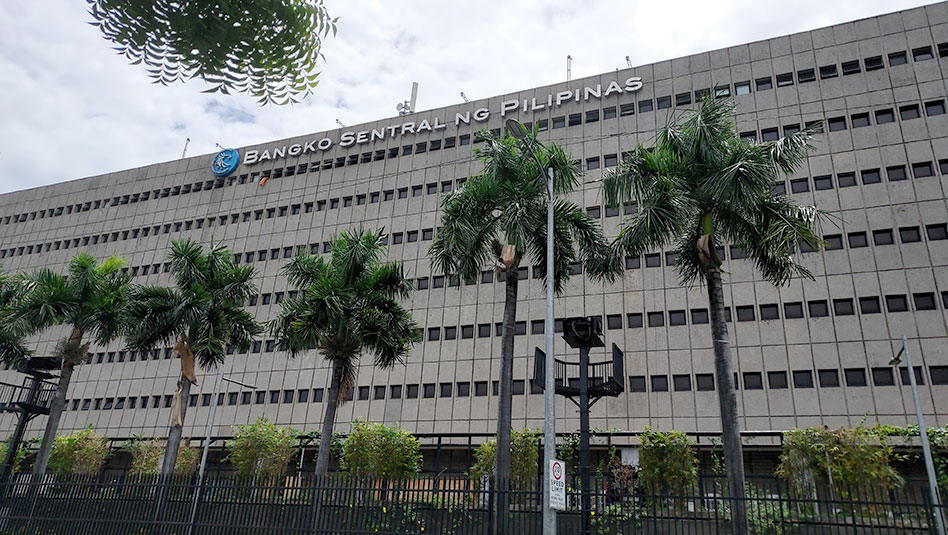
Headline inflation could fall below the Bangko Sentral ng Pilipinas (BSP)’s target in January, as downsides from rice prices continue to drag the overall price level.
Metrobank forecasts January headline inflation at 1.9% year-on-year (YoY).
Slower rice deflation
Rice prices continue to drop YoY, as importation of the grain resumed after a 4-month ban. As of mid-January, the Philippines already imported around 178,000 metric tons (MT) of rice, more than half of the 277,000 MT imported in the full month last year.
Despite imports augmenting local supply, we expect slower rice deflation in January owing to higher import costs due to the weaker peso.
Holiday bump
Food prices may have seen mixed month-on-month (MoM) movements, as demand cooled following the holidays. Preliminary data suggests that vegetables, beef, and pork prices were lower in January compared to December. Meanwhile, fish and seafood prices continued to climb due to supply-side pressure.
However, prices for most of these foods are still elevated YoY. We expect food to remain an upward driver to January inflation.
Power up
Transport costs may have helped moderate inflation in January. While oil prices globally climbed this month due to US-Venezuela tensions, local pump price movements were mixed, with unleaded and diesel prices likely settling lower than last year.
Electricity, meanwhile, will provide upward price pressure. Despite Manila Electric Company lowering their rates MoM, all three major electricity providers’ rates are higher YoY. Rates from Davao Light and Power Company and Visayan Electric Company also notably rose due to power plant outages from the month prior.
Rental prices add pressure
Following an oversupply of condominium rentals post-online-gaming-industry boom, rental inflation began to rebound in the latter part of 2025.
Property analysts expect a slight increase in the demand for rentals this year. However, condominium project completion is anticipated to be relatively slower in 2026 than in recent years, suggesting a slow increase in supply for rental units.
Given these, inflation could remain positive but moderate. Low base effects, however, could bring rental inflation higher before normalizing, putting upward pressure on the headline figure.
Metrobank’s take
January’s inflation rate will be primarily driven by price rises in food and electricity, combined with decelerating rice deflation. We forecast headline inflation at 1.9% for January 2026, below the central bank’s 2-4% target.
(Disclaimer: This is general investment information only and does not constitute an offer or guarantee, with all investment decisions made at your own risk. The bank takes no responsibility for any potential losses.)
MARIA KAILA BALITE is a Research Officer of the Research and Market Strategy Department, Institutional Investors Coverage Division, Financial Markets Sector, at Metrobank. She holds a Master’s degree in Applied Economics and also majored in Financial Economics for her Bachelor’s degree, both from De La Salle University Manila. Outside of work, she enjoys watching thriller movies and K-dramas.
JOAQUIM PANTANOSAS is a Research Officer of the Research and Market Strategy Department, Institutional Investors Coverage Division, Financial Markets Sector, at Metrobank. He holds a BS in Statistics from the University of the Philippines-Diliman, where he developed an interest in quantitative research as a tool for complex problem-solving. He enjoys a good laugh with the people he cares about.