




 DOWNLOAD



What trends do we see in 2026?
Some trends are likely to continue. Some may take a different turn. Here’s our analysis of key trends investors should keep in mind
 By Nicholas Antonio Mapa



Slowing growth, below target inflation, a steeper yield curve, a lackluster stock market, and the peso on the backfoot. All five represented the trends in 2025.
Will the coming year represent a break or a continuation of these trends?
Let’s take a look.
1. GDP growth on the downtrend
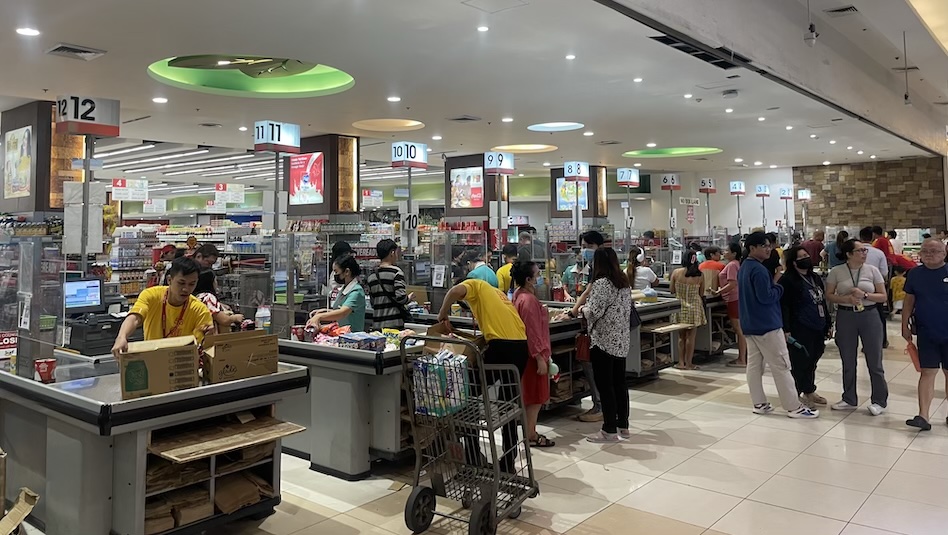
After the “revenge-spending” in 2022 that induced a growth spurt, we have noted a general moderation in GDP growth momentum over the past few quarters. A tired consumer, subdued capital formation, and a reduced fiscal multiplier all pointed to growth slowing in near term. But will it last? We expect the so-called “fiscal freeze” to thaw out in 2026. This, accompanied by favorable base effects (election ban in 2025) and potential additional easing from the Bangko Sentral ng Pilipinas (BSP), all point to improving growth fortunes for the Philippines. Conclusion: Trend likely reversed
2. Below target inflation
Inflation, the bane of the economy from 2022 to 2024 slid to sub-BSP target in 2025. Now 10 months under 2%, inflation remains subdued on the back of negative rice inflation coupled with soft domestic demand. A gradual recovery in economic activity post BSP rate cuts should rekindle demand side pressures, which, alongside unfavorable base effects, could spell the end of below target inflation by 2026. Conclusion: Trend likely reversed
3. A steeper yield curve
BSP rate cuts since 2024 have helped translate to lower borrowing costs at the short end of the yield curve. This year, we should still see the central bank eke out a rate cut or two as growth remains below the government’s previous targets. Meanwhile, the projected modest rebound in inflation could translate to longer-dated yields edging higher, which could mean that the yield curve stays steep in 2026. Conclusion: Trend likely to continue
4. Stock market stuck in low gear
Despite global equity indices enjoying rallies fueled by hopes of monetary policy easing, the Philippine Stock Exchange (PSE) appeared to be stuck in low gear in the latter half of 2025. The lack of upward mobility could easily be traced to concerns about the economy’s growth trajectory after 3Q GDP growth disappointed in a big way, while an ongoing scandal over alleged misuse of public construction funding possibly weighed on overall sentiment. However, given our expectations for growth to recover in 2026, we could finally see the trend of lackluster PSE performance broken in 2026. Conclusion: Trend likely reversed
5. The peso on the backfoot
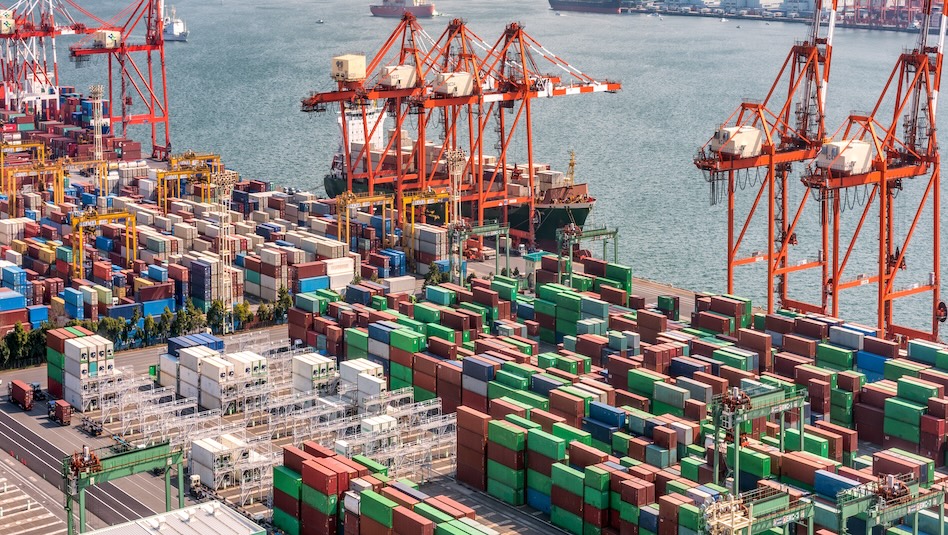
The Philippine peso had come under pressure in 2025 after enjoying a decent rally in the first half of the year. The lack of strengthening bias was mirrored in the performance of the PSE potentially as foreign investors kept to the sidelines awaiting better economic prospects. It is interesting to note the company the Philippine peso found itself in. To close out 2025, three Asian currencies were generally weaker, with the troika of the Indonesian rupiah, the Indian rupee, and the Philippine peso all failing to join the regional foreign exchange trend. The common denominator among the three? Their current account position, as all of them are expected to finish the year in the red. With the Philippines expected to maintain its current account, we can expect the peso to remain pressured. Conclusion: Trend likely to continue
(Disclaimer: This is general investment information only and does not constitute an offer or guarantee, with all investment decisions made at your own risk. The bank takes no responsibility for any potential losses.)
NICHOLAS ANTONIO MAPA is Metrobank’s Chief Economist, Market Strategist, and Head of the Research and Market Strategy Department in the Financial Markets Sector. He graduated from the University of Asia and the Pacific (UA&P) with an undergraduate degree in Humanities and a Master of Science (MSc) in Industrial Economics. He also completed an MA in Economics from Vanderbilt University and an MBA from the Kelley School of Business at Indiana University. He travels regularly with his family, enamored by culture and history. An avid learner, he also reads extensively.