




 DOWNLOAD



How the Philippine economy can bounce back in 2026
A combination of monetary policy decisions and target-consistent inflation may provide a springboard for growth
 By Nicholas Antonio Mapa



We are at the tail end of 2025, the first year of the second Trump presidency in the US.
This year was expected to be the year of tariffs. President Donald Trump promised tariffs and he delivered, in true Trump fashion. Big. Bold. Bombastic.
Despite all the hype and anxiety that preceded Trump’s return to the White House, in some respects, tariffs, and the inflation that was predicted to follow, have not been the central themes of 2025.
Instead, 2025 has been a year of data watching, with US inflation surprising on the downside and US jobs numbers sliding faster than most expected. An additional layer of complication was the US government shutdown, which kept market participants in the dark on the state of the US economy.
Rate cuts
As of this writing, the US Federal Reserve (Fed) has cut twice this year, with investors pricing in a third rate cut before the end of the year.
On the domestic front, the political situation remains precarious. Meanwhile, the Bangko Sentral ng Pilipinas (BSP) took a decidedly dovish stance after inflation slid below target for most of the year, moving quickly to support sagging growth momentum.
So how will we close the year? What will 2026 have in store?
On the US front, we can expect US growth to chug along. The AI revolution will keep US afloat while other sectors of the economy could face a more challenging environment. As a result, jobs numbers should be subdued but not necessarily tanking.
US inflation has shown an upward trajectory. However, we’ve yet to see the doomsday predictions for price pressure to skyrocket post Trump tariffs.
All these together should mean the Fed will likely continue its easing cycle, all the more with Trump likely replacing current Chair Jerome Powell with someone who favors policies that stimulate the economy.
Fiscal freeze
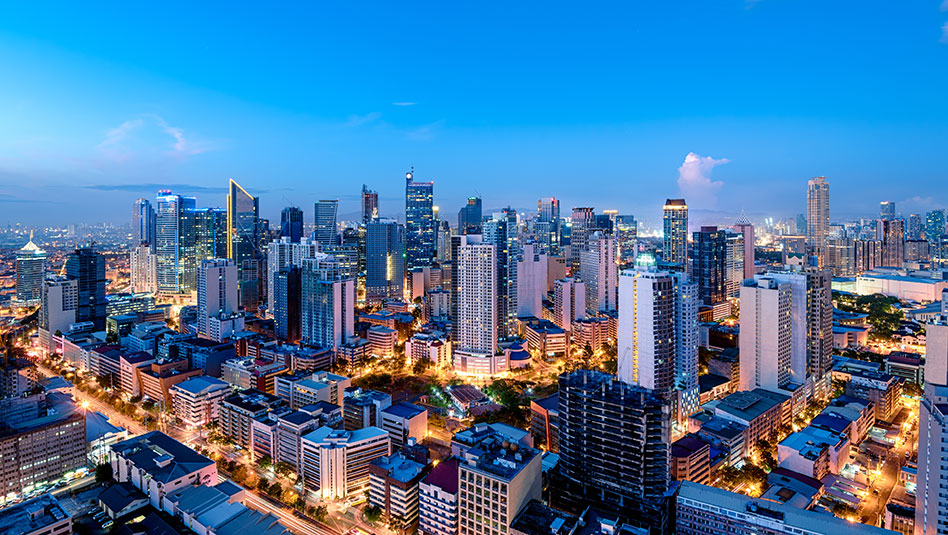
In the Philippines, we’ve said that the economy would likely face the fiscal freeze (a slowdown) in the near term before eventually recovering. A return of the fiscal multiplier will eventually supercharge consumption and investment.
These sentiments seem to be echoed by the Acting Finance Secretary Frederick Go, who vowed that catch-up spending will bolster growth as early as 1Q 2026.
On prices, the BSP flagged the likely uptrend in inflation. Still, the central bank forecasts inflation to remain “target consistent,” as price expectations stay anchored. Within-target inflation and sluggish economic growth should mean that BSP stays dovish going into 2026.
Currency and current account
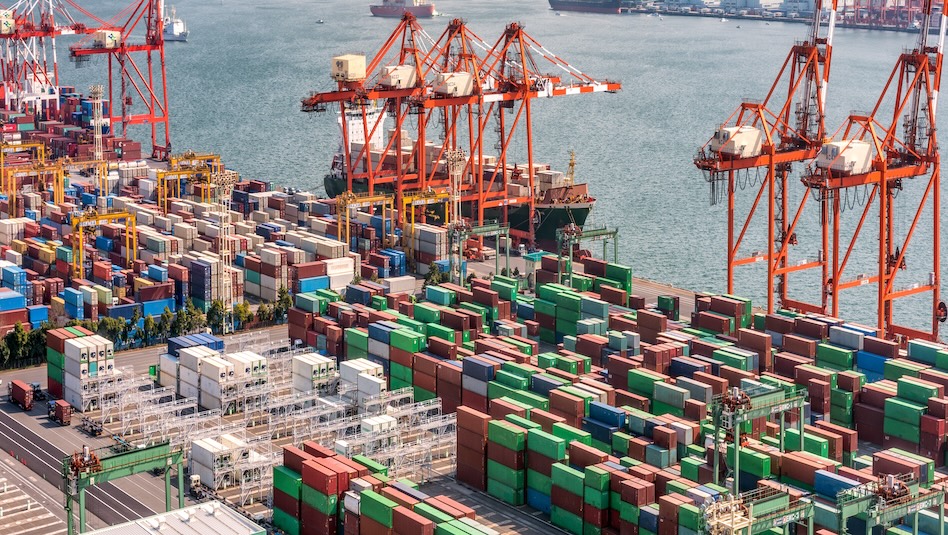
Lastly, the peso should remain on the backfoot in the coming months, with the economy likely extending the streak of current account deficits—especially with an expected imports rebound.
The three underperformers in Asia, the Indonesian rupiah, the Indian rupee, and the peso all carry current account deficits seen to persist for at least another year.
All in all, 2025 has proven to be a year of surprises as both inflation and growth sliding in below expectations.
In 2026, we may see the Philippines bounce back, as we pin our hopes on an investment recovery and the return of the fiscal multiplier.
What is clear is that we have our work cut out for us. We could easily bounce back next year, with the combination of accommodative monetary policy and target consistent inflation providing businesses with at least a conducive landscape.
(Disclaimer: This is general investment information only and does not constitute an offer or guarantee, with all investment decisions made at your own risk. The bank takes no responsibility for any potential losses.)
NICHOLAS ANTONIO MAPA is Metrobank’s Chief Economist, Market Strategist, and Head of the Research and Market Strategy Department in the Financial Markets Sector. He graduated from the University of Asia and the Pacific (UA&P) with an undergraduate degree in Humanities and a Master of Science (MSc) in Industrial Economics. He also completed an MA in Economics from Vanderbilt University and an MBA from the Kelley School of Business at Indiana University. He travels regularly with his family, enamored by culture and history. An avid learner, he also reads extensively.