






Philippines Trade Update: Wider deficit on strong imports
 DOWNLOAD
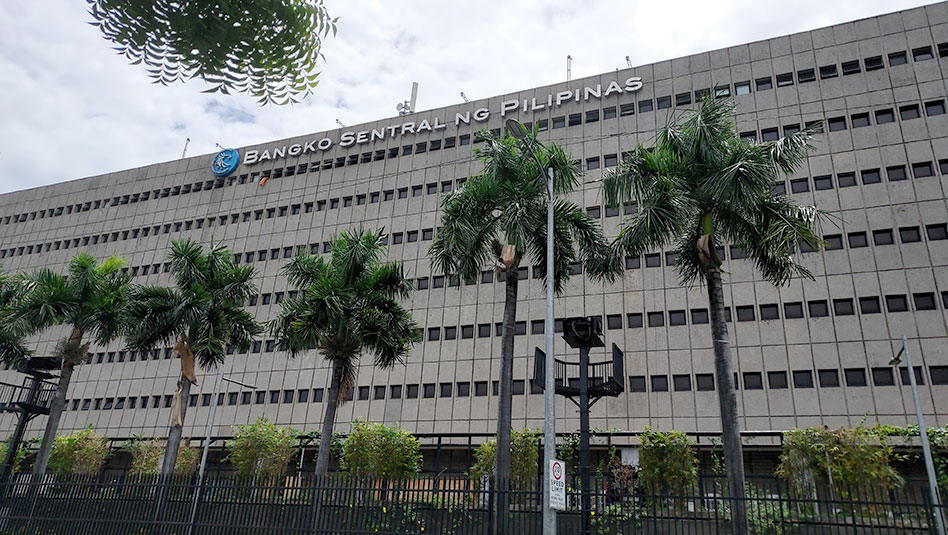
Policy Rate Updates: Policy rate updates to reassure
DOWNLOAD

Fed to cut just once
DOWNLOAD


Yields decline from highs after Trump delays attack on Iran’s power plants
 By Reuters


WASHINGTON – US Treasury yields retreated from multi-month highs early on Monday after US President Donald Trump said he was putting off a plan to strike Iranian energy infrastructure following what he called productive weekend talks between the US and Iran.
The benchmark 10-year yield fell to 4.305% before rising to 4.322%. It had risen to an eight-month peak of 4.445% in overnight trading and last stood at 4.33%.
The two-year yield briefly fell to 3.792% before climbing back up to 3.813%. It earlier climbed to its highest since July at 4.016%. It was last at 3.824%.
TRUMP SAYS GOOD TALKS, IRAN SAYS ‘NO DIALOGUE’
“I am pleased to report that the United States of America, and the country of Iran, have had, over the last two days, very good and productive conversations regarding a complete and total resolution of our hostilities in the Middle East,” Trump wrote in a Truth Social post.
He later added in the post that he had ordered a five-day pause to all strikes against Iranian power plants and energy infrastructure.
Iran’s foreign ministry responded shortly after that there was “no dialogue” between Tehran and Washington, according to state-affiliated media.
Yields had gradually risen in overnight trading before Trump’s announcement. They have wobbled from their early morning highs as traders weighed Trump’s latest move and the US Federal Reserve’s decision last week to hold interest rates, according to Guy LeBas, chief fixed income strategist at wealth management firm Janney Montgomery Scott.
“What we’re seeing is those positions that were dislocated last week kind of squaring,” LeBas said. “And so I’m not sure I would just blame headlines for this rally in US rates, but rather the lack of further negative catalysts and the re-squaring of positions.”
A closely watched part of the US Treasury yield curve measuring the gap between yields on two- and 10-year Treasury notes, viewed in the market as an indicator of economic expectations, was last at 49.5 basis points.
US rate futures on Friday began to price in the possibility of an interest-rate hike later this year after the Fed and other central banks last week kept the rates on hold. Markets had priced in a 91.7% chance of no hike for the Fed’s April meeting as of Monday morning.
“The question is whether all this repricing is warranted,” said Antonio Gabriel, global economist at BofA Securities, in a report on Monday.
“More disruptive scenarios for global growth may be underpriced, and growth concerns could prevail, tilting some central banks to look through the shock.”
Federal Reserve Governor Stephen Miran made a TV appearance on Monday, followed by the release of data showing US construction spending unexpectedly fell in January.
Also on Monday, the US Treasury auctioned USD 89 billion in 13-week notes and USD 77 billion in 26-week notes.
(Reporting by Matt Tracy in Washington; Editing by Toby Chopra, Arun Koyyur, and Barbara Lewis)
This article originally appeared on reuters.com