







Fed to cut just once
 DOWNLOAD

February Economic Update: Cut to the chase
DOWNLOAD

Inflation Update: Nowhere but up
DOWNLOAD


Oil rally puts energy fund inflows on pace for 12-year high
 By Reuters
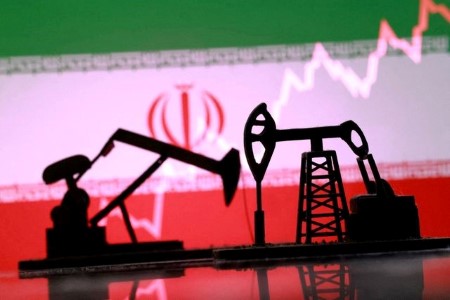


Investors have added to energy-sector funds at the fastest clip in more than a decade, as an oil-price surge prompted by the Iran war is set to deliver windfall profits for oil producers and refiners.
According to LSEG Lipper, global equity funds focused on the energy sector have attracted inflows of USD 2.1 billion so far this month and are on track to surpass the 12-year high of USD 2.2 billion recorded in June 2014.
As rising oil prices pressure most sectors, investors are piling into energy stocks, which stand out as one of the few beneficiaries.
Supported by higher oil prices, the total market capitalization of the top 25 global oil firms has risen about 20% so far this year to USD 5.3 trillion. The MSCI World Energy index has gained about 29.5% over the same period, outperforming the broader MSCI World index, which has fallen 1%.
Flow data showed inflows into energy funds picked up from the start of the year, reversing outflows seen last year, supported by attractive valuations, with persistent inflation and resilient global growth keeping oil demand and prices elevated.
“The boom in energy stocks started as a value play and evolved into a geopolitical risk trade,” said David Russell, global head of market strategy at TradeStation Group.
“The main beneficiaries are production companies, which drill for oil, and refiners, which profit from wider crack spreads as global supply tightens.”
So far this month, Xtrackers MSCI World Energy UCITS ETF has attracted USD 318.8 million, while BGF World Energy Fund A2 USD LP60056151 and iShares S&P 500 Energy Sector UCITS ETF USD (Acc) received USD 315.8 million and USD 241.3 million, respectively, according to the data.
Some analysts said investors are increasingly using energy stocks as a hedge against rising oil prices, but cautioned that any signs of de-escalation, such as a ceasefire or reopening of the Strait of Hormuz, could trigger a rapid reversal in flows.
Grant Meyer, founder and financial adviser at TruMix Advisors, said inflows into energy sector funds could continue in the near term.
“Part of what people forget is that shutting down oil production isn’t like flipping a light switch,” he said.
“Countries without sufficient storage capacity will take time to ramp back up even after a resolution, keeping supply tight for longer than headlines suggest.”
(Reporting By Patturaja Murugaboopathy, with additional reporting by Gaurav Dogra in Bengaluru; editing by Colin Barr and Krishna Chandra Eluri)
This article originally appeared on reuters.com