


Philippine equity market risks deeper sentiment drag if IPO drought continues
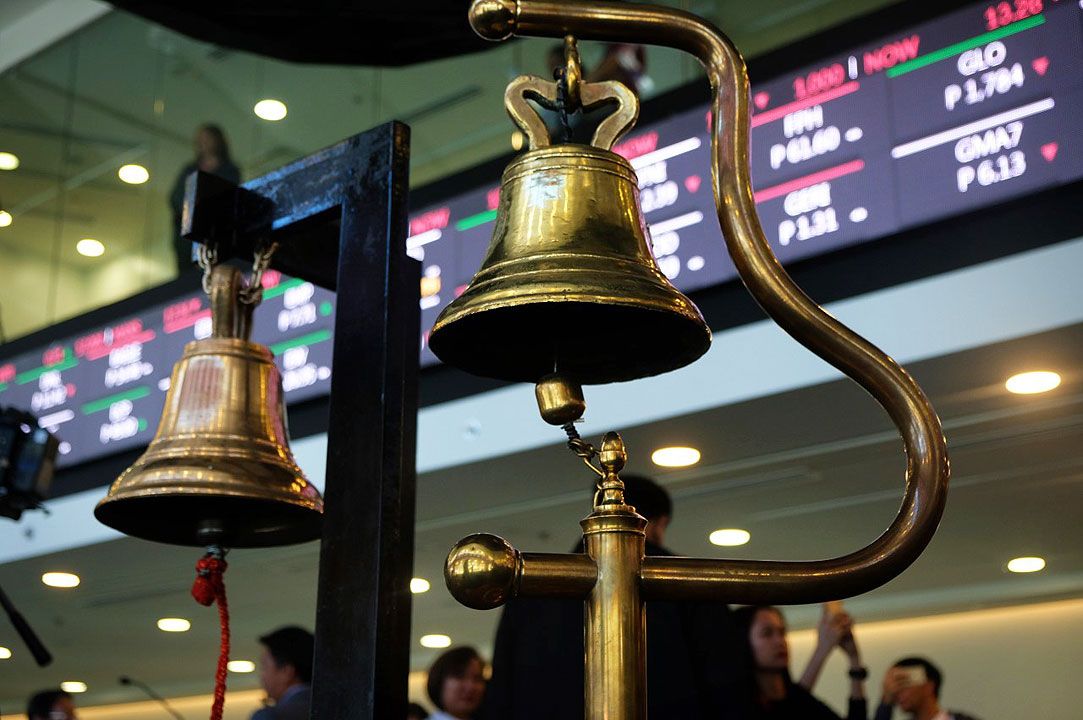
Another lackluster year for initial public offerings (IPOs) could further dampen investor sentiment and reinforce concerns about the Philippine stock market’s appeal, analysts said, as the first five months of 2026 passed without a single IPO.
The weak IPO activity reflects concerns from both issuers and investors over valuations and post-listing performance, Jarrod Leighton M. Tin, an equity research analyst at DragonFi Securities, told BusinessWorld.
“It sends a clear message from both sides: companies do not want to list because they are unlikely to get a decent valuation, and investors do not want to participate because they are afraid newly listed stocks will just fall below the offer price,” he said via Viber.
“One feeds the other, and without a real change in market conditions, that pattern is unlikely to stop.”
The Philippine Stock Exchange (PSE) missed its listing target for the second straight year in 2025. It recorded only two IPOs last year, below its target of six and down from three in 2024.
For this year, the PSE is targeting four listings, including the much-awaited debut of GCash’s parent company Mynt as well as PNB Holdings Corp. (PHC), which plans to list by introduction.
Mr. Tin said delays involving major planned offerings could also affect the broader IPO pipeline.
“If a high-profile listing like Mynt gets delayed or canceled, other companies will take notice and pull back their own IPO plans,” he said.
According to Reuters’ latest report, Mynt is planning to file for a domestic listing as early as July and is seeking a valuation of at least USD 8 billion, citing two people familiar with the matter.
In May, LT Group, Inc. said it may delay PHC’s planned listing by introduction amid market volatility.
Financial technology firm Maya earlier said it plans to list in the United States before pursuing a PSE listing in the second half of the year as part of efforts to raise capital, provide liquidity to existing investors, and allow PLDT Inc. to retain its stake.
Weak listing activity could also reduce the number of investment opportunities available in the market, particularly if delistings outpace new offerings, according to Mr. Tin.
“In the worst case, the market ends the year with no new listings at all — which is already bad enough on its own. But what makes it worse is that delistings may actually outnumber IPOs this year,” he said. “That means fewer stocks to invest in and a weaker exchange overall, which is not a good look for the PSE.”
Delisting activity on the PSE this year is approaching last year’s level, with three companies either having left or in the process of exiting the market.
Asian Terminals, Inc. delisted on April 3, while Robinsons Retail Holdings, Inc. is scheduled to exit the bourse on July 28 and MerryMart Consumer Corp. is undergoing a voluntary delisting after DoubleDragon Corp. moved to fully absorb the retailer.
In 2025, Keppel Philippines Holdings, Inc., Philab Holdings Corp., and 8990 Holdings, Inc. were delisted from the exchange.
Toby Allan C. Arce, head of sales trading at Globalinks Securities and Stocks, Inc., said that if the PSE falls short of its new listing targets for a second consecutive year, “the consequences for investor participation and market sentiment could be compounding rather than merely additive.”
“A single year of underperformance can be attributed to cyclical or external factors, but a second consecutive miss would more credibly signal a structural problem,” he said in a Viber message.
Mr. Arce said subdued trading volumes and investor hesitation could make it more difficult for the market to attract capital, particularly when other regional exchanges are seeing stronger listing activity.
“A thin IPO calendar reinforces a perception that the (Philippine stock) exchange lacks the dynamism to generate new investment opportunities,” Mr. Arce noted.
Regulators have introduced several reforms to encourage more listings, including changes to public float requirements and proposed adjustments to listing rules.
Mr. Arce said these measures are a positive step, but their impact will ultimately depend on whether they result in actual listings.
“The regulatory reforms underway are a constructive signal, but their credibility depends on whether they translate into actual listings,” he noted.
In February, the Securities and Exchange Commission eased the minimum public float requirements for large IPOs, which may pave the way for mega-IPOs in the Philippines such as Mynt.
According to Mr. Arce, the recent reforms were intended to encourage large companies to pursue domestic listing.
“If those same companies still do not list despite the accommodations, it would suggest that the barriers are not purely regulatory — and that deeper issues around market liquidity, valuation expectations, and investor appetite remain unresolved,” he added.
Meanwhile, Investment & Capital Corporation of the Philippines President and Chief Operating Officer Jesus Mariano P. Ocampo said the current environment remains challenging for companies seeking to go public, with weak valuations and limited investor demand weighing on new listings.
“I guess under current conditions, it really is very challenging to launch an IPO in the Philippines,” he said in a Viber message.
“As things stand, investors will likely look at existing listed companies that are trading at all-time lows before looking at any new ones.”
Mr. Ocampo said regulators could consider temporary measures to reduce listing costs and ease access to the market as a way to encourage more listing.
“I am also hoping that the PSE would take a more proactive stance in talking to institutional investors to re-visit listed equities. Doing very public roadshows for audience impact is not the same as talking to a few but big volume buyers that could move markets,” he said.
Despite global market uncertainties linked to the conflict in the Middle East, the PSE said it remains firm on its PHP 170-billion capital-raising target this year.
In March, PSE President and Chief Executive Officer Ramon S. Monzon said that reforms such as the new real estate investment trust (REIT) law are expected to spur more REIT listings and follow-on offerings, although he noted these are unlikely in the near term given prevailing market conditions. — Alexandria Grace C. Magno, Reporter
This article originally appeared on bworldonline.com